Why is Thermal Insulation Important in Stainless Steel Tanks?
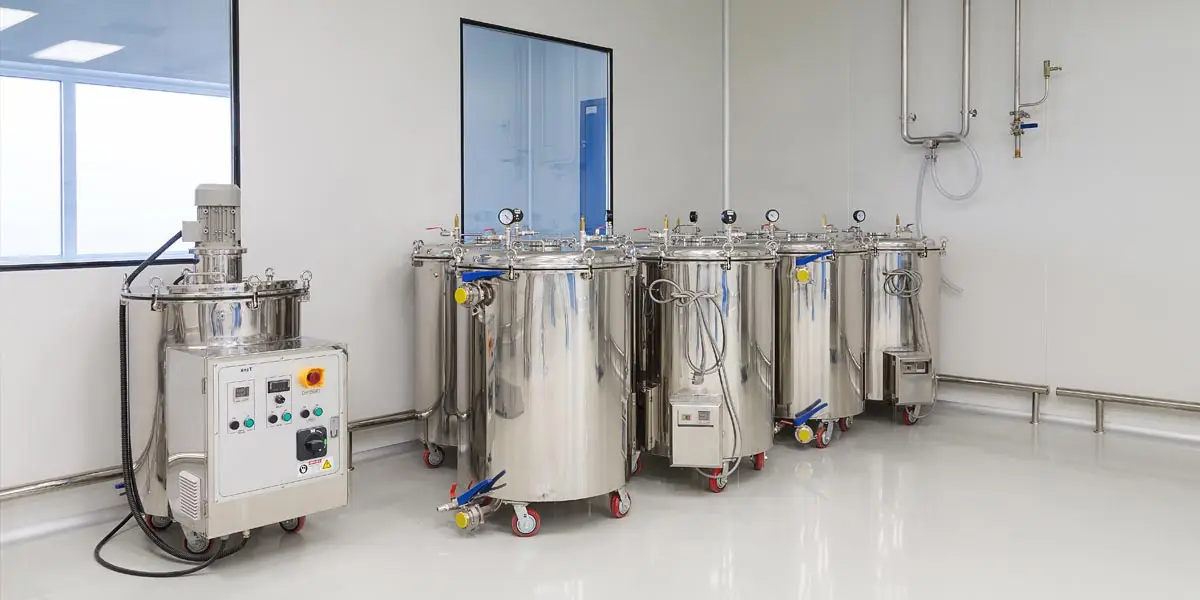
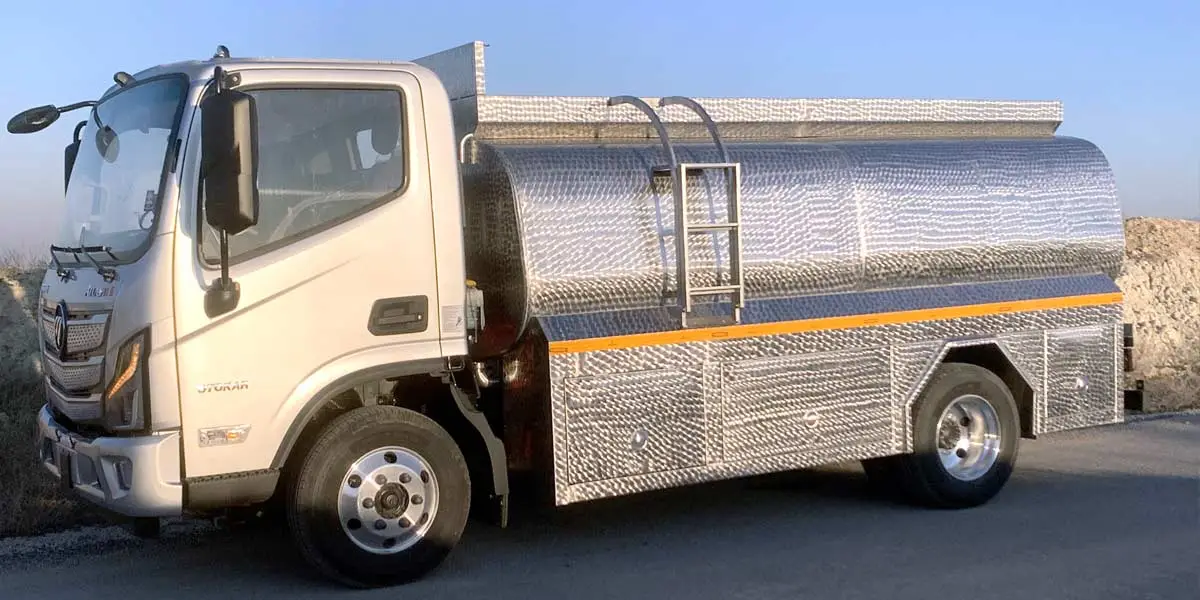
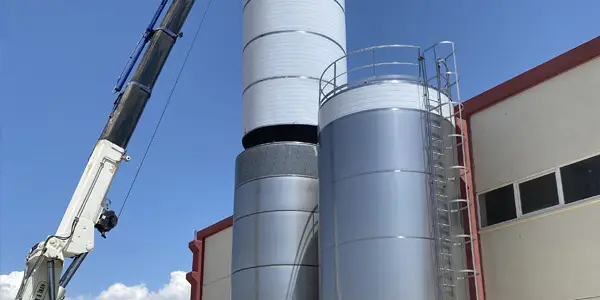
Stainless steel tanks are one of the most important pieces of equipment for ensuring the safe and hygienic storage of products in the food, dairy, chemical and pharmaceutical industries. However, one of the most critical factors determining the performance of these tanks is thermal insulation. A properly installed insulation system not only increases energy efficiency but also preserves product quality and significantly reduces operating costs.
What is Thermal Insulation and Why is it Necessary in Stainless Steel Tanks?
Thermal insulation is a method applied to minimise the temperature difference between the product inside the tank and the external environment. This is particularly important when storing temperature-sensitive products such as milk, yoghurt, wine, olive oil, or chemical solutions.
For example, if a milk storage tank is affected by changes in ambient temperature, the milk can spoil quickly or the desired pasteurisation temperature may not be maintained. For this reason, double-walled and insulated (jacketed) stainless steel tanks have become standard in modern facilities.
Energy Efficiency and Cost Advantage
Insulated tanks can reduce energy loss by up to 40%. As cooling or heating systems operate less, both electricity consumption decreases and equipment lifespan increases. This provides significant cost advantages in the long term.
Especially in businesses operating 24/7, even one year's energy savings can more than cover the tank's insulation costs.
Effects on Hygiene and Product Quality
Stainless steel tanks provide a hygienic environment in terms of surface smoothness and bacterial resistance. However, if the insulation system is not properly installed, condensation can form on the tank surface, increasing the hygiene risk.
Insulation prevents condensation, thereby preserving product quality and facilitating cleaning processes.
What Type of Insulation is Used?
ÖNSA Makine typically uses 40 mm polyurethane insulation in its tanks. This material has high heat resistance and is durable. In addition, the outer wall of the tank is usually finished with AISI 304 stainless steel cladding for aesthetics and durability.
Areas of Use
Heat-insulated stainless steel tanks are commonly used in the following areas:
Dairy and dairy products industry (cooling and storage)
Food processing (confectionery, oil, beverage production)
Wine and fruit juice production
Chemical and pharmaceutical sectors
Olive oil storage
Conclusion: Quality, Efficiency and Sustainability
In today's industry, energy efficiency is important not only in terms of cost but also in terms of sustainability. Using insulated stainless steel tanks supports an environmentally friendly production approach.
Contact us immediately for energy-efficient, insulated stainless steel tank solutions.
ÖNSA Makine – Your Reliable Partner in Industrial Storage Solutions.