
[{"id":52,"title":"End\u00fcstriyel \u00dcretimde Paslanmaz \u00c7eli\u011fin Avantajlar\u0131","description":"<p>Modern sanayide, \u00f6zellikle g\u0131da, s\u00fct, kimya ve ila\u00e7 gibi hassas sekt\u00f6rlerde \u00fcretim yapan tesisler i\u00e7in hata pay\u0131 s\u0131f\u0131rd\u0131r. \u00dcretim hatt\u0131nda kullan\u0131lan makinelerin ve depolama tanklar\u0131n\u0131n malzemesi, son \u00fcr\u00fcn\u00fcn kalitesini, tesisin verimlili\u011fini ve insan sa\u011fl\u0131\u011f\u0131n\u0131 do\u011frudan etkiler. \u0130\u015fte bu kritik noktada devreye giren ve end\u00fcstrinin vazge\u00e7ilmezi olan malzeme <strong>paslanmaz \u00e7eliktir<\/strong>.<\/p><p>Peki, paslanmaz \u00e7eli\u011fi di\u011fer metallerden veya plastik t\u00fcrevlerinden \u00fcst\u00fcn k\u0131lan nedir? Tesisinize yapaca\u011f\u0131n\u0131z makine yat\u0131r\u0131mlar\u0131nda neden paslanmaz \u00e7eli\u011fi tercih etmelisiniz? \u0130\u015fte paslanmaz \u00e7eli\u011fin end\u00fcstriyel \u00fcretimdeki 5 temel avantaj\u0131.<\/p><h2>1. Kusursuz Korozyon (Paslanma) Direnci<\/h2><p>Paslanmaz \u00e7eli\u011fin en bilinen ve en kritik \u00f6zelli\u011fi korozyona kar\u015f\u0131 g\u00f6sterdi\u011fi e\u015fsiz diren\u00e7tir. \u0130\u00e7eri\u011findeki krom elementi, havadaki oksijenle reaksiyona girerek y\u00fczeyde g\u00f6zle g\u00f6r\u00fclmeyen, \u00e7ok ince ve kendi kendini yenileyebilen bir <strong>"krom oksit"<\/strong> tabakas\u0131 olu\u015fturur.<\/p><ul><li>S\u00fct, meyve suyu veya agresif tekstil kimyasallar\u0131 gibi a\u015f\u0131nd\u0131r\u0131c\u0131 s\u0131v\u0131larla s\u00fcrekli temas halinde olan proses tanklar\u0131nda (\u00f6zellikle AISI 304 ve AISI 316L kaliteleri) paslanma ve oksitlenme ya\u015fanmaz. Bu durum, \u00fcretim hatt\u0131n\u0131z\u0131n y\u0131llarca ilk g\u00fcnk\u00fc kondisyonunda kalmas\u0131n\u0131 sa\u011flar.<\/li><\/ul><h2><br><\/h2><h2>2. Maksimum Hijyen ve G\u0131da G\u00fcvenli\u011fi<\/h2><p>G\u0131da ve s\u00fct i\u015fleme tesislerinde en b\u00fcy\u00fck d\u00fc\u015fman bakteri olu\u015fumudur. Paslanmaz \u00e7elik, p\u00fcr\u00fczs\u00fcz ve g\u00f6zeneksiz bir y\u00fczey yap\u0131s\u0131na sahiptir.<\/p><ul><li><strong>Bakteri Bar\u0131nd\u0131rmaz:<\/strong> \u00c7izilmelere kar\u015f\u0131 dayan\u0131kl\u0131 oldu\u011fu i\u00e7in mikroorganizmalar\u0131n tutunup \u00e7o\u011falabilece\u011fi mikro \u00e7atlaklar bar\u0131nd\u0131rmaz.<\/li><li><strong>CIP (Yerinde Y\u0131kama) Uyumu:<\/strong> A\u011f\u0131r kimyasallarla ve y\u00fcksek s\u0131cakl\u0131ktaki sularla yap\u0131lan otomatik CIP y\u0131kamalar\u0131na tam dayan\u0131kl\u0131d\u0131r. \u00dcr\u00fcn\u00fcn tad\u0131n\u0131, kokusunu veya rengini kesinlikle de\u011fi\u015ftirmez. Bu nedenle s\u00fct pi\u015firme kazanlar\u0131 ve s\u00fct so\u011futma tanklar\u0131 i\u00e7in d\u00fcnyadaki tek yasal ve g\u00fcvenilir standartt\u0131r.<\/li><\/ul><h2><br><\/h2><h2>3. Ekstrem S\u0131cakl\u0131k ve Bas\u0131n\u00e7 Dayan\u0131m\u0131<\/h2><p>End\u00fcstriyel s\u00fcre\u00e7ler genellikle zorlu fiziksel \u015fartlar i\u00e7erir. \u015eok so\u011futma yap\u0131lan bir s\u00fct stok tank\u0131ndan, y\u00fcksek buhar bas\u0131nc\u0131yla \u00e7al\u0131\u015fan ceketli (benmari) bir eritme tank\u0131na kadar \u00e7ok geni\u015f bir s\u0131cakl\u0131k yelpazesinde \u00e7al\u0131\u015fman\u0131z gerekebilir.<\/p><ul><li>Paslanmaz \u00e7elik, dondurucu so\u011fuklarda k\u0131r\u0131lganla\u015fmaz ve y\u00fcksek kaynama derecelerinde formunu kaybetmez. Mekanik mukavemeti (dayan\u0131kl\u0131l\u0131\u011f\u0131) sayesinde y\u00fcksek tonajl\u0131 bas\u0131n\u00e7lara ba\u015far\u0131yla diren\u00e7 g\u00f6sterir.<\/li><\/ul><h2><br><\/h2><h2>4. Uzun \u00d6m\u00fcr ve Y\u00fcksek Yat\u0131r\u0131m Getirisi (ROI)<\/h2><p>\u0130lk yat\u0131r\u0131m maliyeti standart demir, karbon \u00e7elik veya plastik t\u00fcrevlerine g\u00f6re daha y\u00fcksek gibi g\u00f6r\u00fcnse de, paslanmaz \u00e7elik <strong>"\u00f6m\u00fcrl\u00fck"<\/strong> bir yat\u0131r\u0131md\u0131r.<\/p><ul><li>Boya gerektirmez, paslanma kaynakl\u0131 delinme veya a\u015f\u0131nma yapmaz. D\u00fczenli ve do\u011fru bak\u0131mla (klor\u00fcrden uzak tutma, do\u011fru kimyasal y\u0131kama vb.) bir paslanmaz \u00e7elik tank on y\u0131llarca hizmet verebilir. Bak\u0131m maliyetlerinin d\u00fc\u015f\u00fck olmas\u0131 ve \u00fcretimde duru\u015flara (ar\u0131za) neden olmamas\u0131, uzun vadede i\u015fletmenize b\u00fcy\u00fck bir kar sa\u011flar.<\/li><\/ul><h2><br><\/h2><h2>5. \u00c7evre Dostu ve %100 S\u00fcrd\u00fcr\u00fclebilir Yap\u0131<\/h2><p>Modern end\u00fcstride s\u00fcrd\u00fcr\u00fclebilirlik art\u0131k bir tercih de\u011fil, zorunluluktur. Paslanmaz \u00e7elik, do\u011fas\u0131 gere\u011fi %100 geri d\u00f6n\u00fc\u015ft\u00fcr\u00fclebilir bir malzemedir. \u00c7evreyi kirletecek toksik maddeler salg\u0131lamaz. Kullan\u0131m \u00f6mr\u00fcn\u00fc tamamlad\u0131\u011f\u0131nda tamamen eritilerek yeni bir \u00fcr\u00fcne d\u00f6n\u00fc\u015ft\u00fcr\u00fclebilir ve bu s\u00fcre\u00e7te kalitesinden hi\u00e7bir \u015fey kaybetmez.<\/p><h3>\u00d6NSA Makine Kalitesiyle Paslanmaz \u00c7eli\u011fin G\u00fcc\u00fc<\/h3><p>Bir malzemenin paslanmaz \u00e7elik olmas\u0131 tek ba\u015f\u0131na yeterli de\u011fildir; onu i\u015fleyen m\u00fchendislik ve i\u015f\u00e7ilik de kusursuz olmal\u0131d\u0131r.<\/p><p>\u00d6NSA Makine olarak, s\u00fct, g\u0131da, kimya ve tekstil sekt\u00f6rlerine \u00fcretti\u011fimiz t\u00fcm ekipmanlarda, paslanmaz \u00e7eli\u011fin bu avantajlar\u0131n\u0131 zirveye ta\u015f\u0131yoruz:<\/p><ul><li>Sadece sertifikal\u0131 <strong>AISI 304 ve AISI 316L<\/strong> kalite malzemeler kullan\u0131yoruz.<\/li><li>Birle\u015ftirme noktalar\u0131nda korozyonu \u00f6nlemek i\u00e7in p\u00fcr\u00fczs\u00fcz <strong>Argon (TIG) kayna\u011f\u0131<\/strong> uyguluyoruz.<\/li><li>\u00dcr\u00fcnle temas eden t\u00fcm i\u00e7 y\u00fczeyleri g\u0131da normlar\u0131na uygun, s\u0131f\u0131r k\u00f6r nokta prensibiyle p\u00fcr\u00fczs\u00fcz (aynal\u0131) hale getiriyoruz.<\/li><\/ul><p>Tesisinizin kalbini olu\u015fturacak, uzun \u00f6m\u00fcrl\u00fc ve paslanmaz makine \u00e7\u00f6z\u00fcmleri i\u00e7in m\u00fchendislerimizle ileti\u015fime ge\u00e7ebilir, kaliteden \u00f6d\u00fcn vermeden \u00fcretiminizi g\u00fcvence alt\u0131na alabilirsiniz.<\/p>","shortDesc":"Modern sanayide, \u00f6zellikle g\u0131da, s\u00fct, kimya ve ila\u00e7 gibi hassas sekt\u00f6rlerde \u00fcretim yapan tesisler i\u00e7in hata pay\u0131 s\u0131f\u0131rd\u0131r. \u00dcretim hatt\u0131nda kullan\u0131lan ...","createdAt":"2026-04-14 09:34:58","blog_url":"https:\/\/onsamakine.com\/en\/endustriyel-uretimde-paslanmaz-celigin-avantajlari","photo_url":"https:\/\/onsamakine.com\/assets\/images\/blog\/6bEp3NnLEPtA7cfF.webp","category":"{\"categories\":[]}"},{"id":50,"title":"Guide to Selecting Industrial Sauce Preparation Tanks","description":"<p>In the food industry, the production of ketchup, mayonnaise, tomato paste or speciality sauces requires extremely precise processes. The product\u2019s consistency, colour and shelf life depend directly on the technology of the <strong>sauce preparation tank<\/strong> used in production.<\/p><p>In this guide, we will examine the technical details you need to consider when selecting the right stainless steel sauce tank for your food production facility, as well as how this equipment contributes to your production efficiency.<\/p><h2>Why Do You Need a Professional Sauce Preparation Tank?<\/h2><p>Sauce production involves far more than a simple mixing process. Liquids of varying densities and powdered ingredients (spices, thickening agents) must blend seamlessly. Using substandard equipment can lead to the product sticking to the bottom, clumping, or the loss of nutritional value during thermal processing.<\/p><p>A sauce preparation machine designed with the right engineering offers you the following advantages:<\/p><ul><li><strong>Sustainable Quality:<\/strong> Ensures consistent taste and consistency in every batch.<\/li><li><strong>Time and Energy Savings:<\/strong> Reduces production time with optimised heating and cooling systems.<\/li><li><strong>High-Level Food Safety:<\/strong> Ensures full compliance with international food codes thanks to bacteria-free surfaces.<\/li><\/ul><h2><br><\/h2><h2>Essential Technical Features for Sauce Tanks<\/h2><p>When purchasing a sauce preparation tank, you should consider the following technical components to find the solution best suited to your needs:<\/p><h3>1. Homogenisation and Mixing Systems<\/h3><p>The biggest challenge in sauce production is the separation of oil- and water-based liquids. To prevent this, the tank must contain a mixer suitable for the product. Scraper mixers (systems with Teflon or silicone tips that scrape the inner wall of the tank to prevent the product from burning) are essential, particularly for thick-consistency products such as ketchup and tomato paste.<\/p><h3>2. Temperature Control: Jacketed Tank Design<\/h3><p>Heating and cooling processes directly affect the viscosity (resistance to flow) of the sauce. Dimple plate (a corrugated jacket structure that increases the heat transfer surface area to save energy) or half-pipe coil jacket systems ensure that the temperature is distributed evenly throughout the tank.<\/p><h3>3. CIP (Clean-in-Place) Compatibility<\/h3><p>CIP (Clean-in-Place) is a system that enables the tank to be washed and disinfected automatically without the need for disassembly. To prevent cross-contamination (residues from the previous product mixing with the new product) in food production, sauce tanks must be manufactured with a design that can be integrated into the CIP system and feature smooth welds that eliminate \u2018dead spots\u2019 (corners and recesses where the liquid cannot reach).<\/p><h2><br><\/h2><h2>Choosing the Right Material: Why AISI 316 Grade Stainless Steel?<\/h2><p>Sauces typically contain acidic components (tomato-based products, vinegar, lemon juice) or ingredients with high salt content. Such aggressive substances cause corrosion (rusting and wear) in standard metals.<\/p><p>Therefore, it is vital that all internal surfaces in contact with the sauce are manufactured from <strong>AISI 316 or 316L grade stainless steel<\/strong>. This material offers high acid resistance and prevents the chemical composition of your product from being compromised.<\/p><h2><br><\/h2><h2>Uninterrupted Production Support Across Turkey with \u00d6nsa Makine<\/h2><p>From the perspective of an SEO and local market expert, working with a local manufacturer that can provide the fastest technical support when your production line stops is the most profitable investment.<\/p><p>At \u00d6nsa Makine, from our <strong>modern production facility in Denizli<\/strong>, we manufacture sauce preparation tanks in custom sizes and capacities for food factories across Turkey, including Istanbul, Izmir, Bursa and Gaziantep.<\/p><p>Contact our engineering team today for automated stainless steel tank solutions best suited to your facility\u2019s capacity and the recipe of the sauce you produce.<\/p>","shortDesc":"In the food industry, the production of ketchup, mayonnaise, tomato paste or speciality sauces requires extremely precise processes. The product\u2019s con...","createdAt":"2026-04-09 14:57:31","blog_url":"https:\/\/onsamakine.com\/en\/guide-to-selecting-industrial-sauce-preparation-tanks","photo_url":"https:\/\/onsamakine.com\/assets\/images\/blog\/OZLtp9UYS3DR2464.webp","category":"{\"categories\":[2]}"},{"id":49,"title":"What is a Honey Vacuum Tank and Its Features","description":"<p>Honey is a naturally sensitive product. From harvest to the packaging stage, removing air bubbles from the honey (deaeration) and controlling its moisture content are critical for the product's shelf life and commercial value. At \u00d6NSA Makine, our honey vacuum tanks, manufactured from AISI 304L\/316L stainless steel, are designed to manage this process in the most professional manner.<\/p><p><br><\/p><h2><strong>Why is the Vacuum Process Necessary in Honey Production?<\/strong><\/h2><p>Air bubbles trapped in honey during the filtering and transfer processes can cause it to appear cloudy and oxidise over time. Vacuum tanks remove this air under low pressure, giving the honey a clearer, brighter and smoother texture.<\/p><p>Furthermore, the process of evaporating excess moisture from the honey at low temperatures (dehumidification) is also achieved through vacuum. Reducing the moisture content without raising the temperature preserves the honey's nutritional value, enzymes, and aroma.<\/p><p>Technical Specifications of \u00d6NSA Machine Honey Vacuum Tanks<\/p><p><br><\/p><p><strong>AISI 304L\/316L Stainless Steel Body:<\/strong> Material quality that is fully resistant to the acidic nature of honey, corrosion-free, and 100% compliant with food safety standards.<\/p><p><strong>Heating Jacket and Precise Control:<\/strong> The jacket design, engineered to enhance honey's fluidity, provides uniform heat distribution. Precise heat management prevents honey scorching via a digital control panel.<\/p><p><strong>High Vacuum Performance:<\/strong> The leak-proof body and powerful vacuum pump quickly remove even microscopic air bubbles from the honey.<\/p><p><strong>Specially Designed Mixer:<\/strong> A slow-speed, powerful mixing system is applied to prevent crystallisation without damaging the structure of the honey.<\/p><p><strong>Hygienic Design:<\/strong> Bacteria formation is prevented and the cleaning process is shortened thanks to its CIP (Clean-in-Place) compatible structure and smooth inner surfaces.<\/p><p><br><\/p><p><br><\/p><h3><strong>Advantages of the Vacuum Processing Process for Your Business<\/strong><\/h3><p><strong>Superior Visual Quality:<\/strong> A clear, golden yellow honey appearance is achieved, free from bubbles.<\/p><p><strong>Nutritional Value Preservation:<\/strong> As processing is carried out at low temperatures under vacuum, the HMF (Hydroxymethylfurfural) content in the honey does not increase, and enzymes are preserved.<\/p><p><strong>Longer Shelf Life:<\/strong> The removal of oxygen and excess moisture keeps the honey fresh for longer.<\/p><p><strong>Fast Filling:<\/strong> Honey free of air bubbles is packaged more stably and without waste in filling machines.<\/p><p><br><\/p><p><br><\/p><h1><strong>What is a Honey Vacuum Tank?<\/strong><\/h1><p><br><\/p><p>A Honey Vacuum Tank is a professional industrial piece of equipment used to remove air bubbles (deaeration) remaining in honey during the processing stage and to control the moisture content of honey at low temperatures. Thanks to vacuum technology, the boiling point of honey is lowered, allowing processing to be carried out without reaching high temperatures, thus preserving the structure, colour and aroma of the honey. Manufactured by \u00d6NSA Makine, these tanks are a critical process unit that increases the clarity of honey while also extending its shelf life.<\/p><p><br><\/p><p><br><\/p><p><strong>Honey Vacuum Tank Prices<\/strong><\/p><p><br><\/p><p>Honey vacuum tank prices vary depending on the technical specifications and production capacity required by your business. The main factors determining the price are as follows:<\/p><p><strong>Capacity:<\/strong> Production options are available from 500 litres up to tonnage capacities.<\/p><p><strong>Material Quality:<\/strong> Standard options include AISI 304L or AISI 316L stainless steel, which has higher acid resistance.<\/p><p><strong>Heating Type:<\/strong> Electric (resistance) or steam jacket options.<\/p><p><strong>Automation Level:<\/strong> Manual control or fully automatic systems with PLC touch screens.<\/p><p><br><\/p><p>At \u00d6NSA Makine, we aim to offer the highest quality at the most competitive prices. Please contact us directly for a technical configuration tailored to your needs and a current price quote.<\/p><p><br><\/p><p><strong>Conclusion<\/strong><\/p><p>Preserving the purity and healing properties of honey on its journey from nature to the table requires the right engineering solutions. \u00d6NSA Makine Honey Vacuum Tanks add value to your business with their high workmanship quality and durable construction.<\/p><p><br><\/p><p><br><\/p><p><strong>Contact Information:<\/strong><\/p><p>\ud83d\udcde Telephone: +90 531 250 51 90<\/p><p>\ud83d\udce7 Email: [email protected]<\/p><p>\ud83d\udccd Address: Hac\u0131ey\u00fcpl\u00fc, Mah. 3221 Sokak No:4, 20050 Merkezefendi\/Denizli, Turkey<\/p>","shortDesc":"Honey is a naturally sensitive product. From harvest to the packaging stage, removing air bubbles from the honey (deaeration) and controlling its mois...","createdAt":"2026-02-11 09:23:24","blog_url":"https:\/\/onsamakine.com\/en\/what-is-a-honey-vacuum-tank-and-its-features","photo_url":"https:\/\/onsamakine.com\/assets\/images\/blog\/PRyla6Ls51m99sae.webp","category":"{\"categories\":[2]}"},{"id":48,"title":"Form and Quality Standards in Cheese Processing","description":"<h1>Cheese Pressing Machine: Milk Processing Processes<\/h1><p><br><\/p><p>Moulding and draining, one of the most critical stages of cheese production, directly determines the texture, moisture content and shelf life of the cheese. The cheese pressing machine is a professional industrial piece of equipment that removes excess whey from the curd and compresses the cheese into the desired shape. \u00d6NSA Makine manufactures cheese presses that meet high hygiene standards and are suitable for every capacity, from boutique dairies to full-scale industrial facilities.<\/p><p><br><\/p><h2><strong>What is a Cheese Press?<\/strong><\/h2><p><br><\/p><p>A cheese press is a mechanism made of stainless steel that closes the voids in the internal structure of the cheese and drains excess water by applying controlled pressure to the cheese moulds. It is of vital importance in the production of different types of cheese, such as Cheddar, white cheese, halloumi and curd cheese, to ensure that each mould is of the same hardness and standard.<\/p><p><br><\/p><h2>Cheese Press Models and Features<\/h2><p><br><\/p><p>Two basic models stand out depending on the production volume and automation needs of the business:<\/p><p><br><\/p><p><strong>Manual Cheese Presses:<\/strong> These are generally designed for boutique dairies and small-scale producers. The pressing process is adjusted manually using a screw mechanism or weight systems. They are economical and easy to use solutions.<\/p><p><strong>Pneumatic Cheese Presses: <\/strong>These models, which operate with air pressure (piston), are ideal for medium and large-scale facilities. The pressing time and pressure amount can be precisely adjusted via the control panel. This reduces the margin of error in production to zero.<\/p><p><br><\/p><p><br><\/p><h2>Key Functional Advantages<\/h2><p><br><\/p><p> <strong>AISI 304 Grade Stainless Steel:<\/strong> Fully compliant with food safety standards (HACCP), corrosion-resistant and bacteria-resistant surface structure.<\/p><p> <strong>Adjustable Pressure Power:<\/strong> Modular system that can be adjusted to the different pressure values required for different cheese varieties.<\/p><p> <strong>Compact and Ergonomic Design:<\/strong> Chassis structure that saves space and is easy to clean, suitable for dairy layout plans in Turkey.<\/p><p> <strong>Maximum Straining Efficiency:<\/strong> Drainage channels and collection tanks that enable rapid drainage of whey.<\/p><p> <strong>Labour Savings:<\/strong> Reduces personnel costs and increases production speed thanks to automatic pressure cycles in pneumatic models.<\/p><p><br><\/p><p><br><\/p><h2>Technical Specifications<\/h2><p><br><\/p><p> <strong>Material:<\/strong> Certified AISI 304 Quality Stainless Steel<\/p><p> <strong>Number of Pistons:<\/strong> Single, double or multiple group piston options depending on operating capacity<\/p><p> <strong>Pressure Type:<\/strong> Manual (Screw) or Pneumatic (Air Controlled) system<\/p><p> <strong>Frame Structure:<\/strong> Vibration-resistant, stainless steel frame structure and adjustable feet<\/p><p> <strong>Control Panel:<\/strong> Pressure adjustment regulator and manometer in pneumatic models<\/p><p><strong> Discharge:<\/strong> Whey collection tray and outlet valve<\/p><p> <strong>Hygiene:<\/strong> Smooth polished surfaces compliant with food hygiene regulations<\/p><p><br><\/p><p><br><\/p><h2>How Much Do Cheese Presses Cost?<\/h2><p><br><\/p><p>Cheese press prices vary depending on the number of pistons, whether the press is manual or pneumatic, its capacity (how many moulds it can press at once), and the thickness of the material. As \u00d6NSA Makine, we offer the most suitable solution for your business at factory-direct prices, leveraging the advantage of domestic production from our manufacturing facility in Denizli.<\/p><p><br><\/p><p>To determine the most suitable press model for your business's daily cheese production capacity, to have production made to custom dimensions for your project, and to receive an up-to-date price quote, you can contact our technical team.<\/p>","shortDesc":"Cheese Pressing Machine: Milk Processing ProcessesMoulding and draining, one of the most critical stages of cheese production, directly determines the...","createdAt":"2026-01-21 13:40:27","blog_url":"https:\/\/onsamakine.com\/en\/form-and-quality-standards-in-cheese-processing","photo_url":"https:\/\/onsamakine.com\/assets\/images\/blog\/Ra26021Na4y2oHVc.webp","category":"{\"categories\":[2]}"},{"id":47,"title":"Industrial Stainless Steel Equipment Guide","description":"<h1>Industrial Stainless Steel Equipment Guide: The Foundation of Efficiency and Hygiene<\/h1><p><br><\/p><p><br><\/p><p>When it comes to durability, hygiene and longevity in modern production facilities, stainless steel equipment is the first solution that comes to mind. Indispensable in sectors such as food, chemicals, pharmaceuticals and cosmetics, this equipment is key to increasing operational efficiency and complying with international hygiene standards.<\/p><p><br><\/p><p><br><\/p><h1>What is Industrial Stainless Steel Equipment?<\/h1><p><br><\/p><p>Industrial stainless steel equipment consists of corrosion-resistant metallic systems used in the processing, storage, transportation, and mixing of liquid, semi-solid, or powdered products. The most preferred materials in the production of this equipment are AISI 304 and AISI 316 grade stainless steel.<\/p><p><br><\/p><p>These devices are not just \u2018metal containers\u2019; they are complex engineering solutions that incorporate heat control, speed-controlled mixers, precision weighing systems, and automation infrastructure.<\/p><p><br><\/p><p><br><\/p><h2>How to Select Stainless Steel Equipment?<\/h2><p><br><\/p><p>Choosing the right equipment directly affects your business's production quality and equipment lifespan. The following criteria should be considered when making your selection:<\/p><p><br><\/p><p><strong>Material Quality (304 vs 316):<\/strong> If acidic, corrosive, or highly saline chemicals will be processed (e.g., caustic soda or certain food acids), AISI 316L, which has higher corrosion resistance, should be preferred. AISI 304 is generally sufficient for standard milk and food applications.<\/p><p><br><\/p><p><strong>Operating Conditions:<\/strong> The geographical location of the facility where the equipment will be used and the ambient temperature affect the choice of insulation. For example, in a country like Turkey with different climate zones, high-density polyurethane insulation is vital for tanks in extremely hot or cold regions.<\/p><p><br><\/p><p><strong>Process Requirements:<\/strong> Does the product only need to be stored, or does it need to be mixed or cooked? In heated models, options such as electric resistance, natural gas burner, or steam jacket should be determined according to the facility infrastructure.<\/p><p>Hygiene and CIP Compliance: There should be no \u2018dead spots\u2019 on the inner surface of the equipment. Smooth, polished inner surfaces that are compatible with CIP (Clean in Place) systems prevent bacterial accumulation.<\/p><h1><br><\/h1><h1><br><\/h1><h1>Why Use Stainless Steel Equipment?<\/h1><p><br><\/p><p>The main reasons why businesses invest in stainless steel equipment are as follows:<\/p><p><br><\/p><p><strong>Food Safety and Hygiene:<\/strong> Its non-porous structure makes it easy to clean and prevents the growth of microorganisms.<\/p><p><strong>Corrosion Resistance:<\/strong> It can withstand water, chemicals and moisture without rusting for decades.<\/p><p><strong>Product Purity:<\/strong> It does not alter the taste, smell or chemical composition of the processed product.<\/p><p><strong>Sustainability:<\/strong> It is a 100% recyclable material and is an environmentally friendly choice compared to plastic alternatives.<\/p><p><strong>Low Maintenance Cost:<\/strong> With proper use, servicing requirements are minimal.<\/p><p><br><\/p><p><br><\/p><h2>How Much Do Stainless Steel Equipment Prices Cost?<\/h2><p><br><\/p><p>Stainless steel equipment prices are calculated based on many variable factors. The main factors affecting the price are as follows:<\/p><p><br><\/p><p><strong>Tonnage and Capacity:<\/strong> As the litre volume of the tank or machine increases, the amount of material and therefore the price increases.<\/p><p><strong>Sheet Metal Thickness:<\/strong> Thicker sheets used in pressurised vessels or heavy-duty mixers are the main factor affecting cost.<\/p><p><strong>Hardware and Automation:<\/strong> There are significant price differences between a manual tank and a PLC-controlled unit with a touch screen and automatic weighing system (load cells).<\/p><p><strong>Extra Options:<\/strong> Heating jackets, insulation layers, special motor-gearbox groups, and sealing equipment (mechanical seals, etc.) are added to the price.<\/p><p><br><\/p><p>As \u00d6NSA Makine, thanks to our domestic production advantage, we deliver the highest quality engineering solutions directly from our factory to you without any intermediary costs.<\/p><p><br><\/p><p><br><\/p><p>Professional Solutions with \u00d6NSA Makine<\/p><p><br><\/p><p>We professionalise your workflow with our stainless steel solutions, custom-designed to meet your needs in Turkey's modern facilities. We offer a wide range of services, from milk cooling tanks to sauce preparation kettles, CIP systems to high-capacity storage tanks.<\/p><p><br><\/p><p>To take your business's production capacity to the next level, have technical drawings prepared specifically for your project, or learn about current stainless steel equipment prices, you can contact our expert team.<\/p>","shortDesc":"Industrial Stainless Steel Equipment Guide: The Foundation of Efficiency and HygieneWhen it comes to durability, hygiene and longevity in modern produ...","createdAt":"2026-01-20 09:53:38","blog_url":"https:\/\/onsamakine.com\/en\/industrial-stainless-steel-equipment-guide","photo_url":"https:\/\/onsamakine.com\/assets\/images\/blog\/Sdas4HTGYSPd5gF5.webp","category":"{\"categories\":[6]}"},{"id":46,"title":"Stainless Steel Processing and Storage Guide","description":"<p>Industrial plant efficiency begins with the combination of the right material selection, hygienic design and advanced engineering techniques. The use of stainless steel in the dairy, food, chemical and pharmaceutical industries is a standard requirement for both maintaining product quality and extending operational life.<\/p><p><br><\/p><h1><strong>1. Dairy Processing and Cooling Technologies<\/strong><\/h1><p>Maintaining the quality of raw milk from milking onwards requires precise thermal management.<\/p><p><br><\/p><p>Rapid Cooling Systems: Energy-efficient tanks are used to rapidly cool milk to +4\u00b0C to prevent bacterial growth.<\/p><p><br><\/p><p>Process Vessels: Double-walled (jacketed) designs ensure homogeneous heat distribution, preventing protein burns and preserving nutritional value.<\/p><p><br><\/p><p>Storage Solutions: Special mixer systems that do not disrupt the fat structure of milk are integrated into large-volume storage tanks.<\/p><p><br><\/p><p>Hygiene Standards: Fully automatic in-situ cleaning (CIP) units, which enable tanks to be sterilised without human contact, guarantee operational hygiene.<\/p><h1><br><\/h1><h2><strong>2. Mobile Logistics and Transport Solutions<\/strong><\/h2><p>Maintaining product temperature and ensuring logistical security during the transport of liquids is of critical importance.<\/p><p><br><\/p><p>Insulated Transport Tanks: High-density insulation layers minimise the effect of external ambient temperature on the liquid during transit.<\/p><p><br><\/p><p>Wave-Breaker Engineering: Stainless steel wave-breakers installed inside the tank dampen liquid movements, ensuring vehicle stability and driving safety.<\/p><p><br><\/p><p>Stainless Steel Water Tankers: Stainless steel, with its high corrosion resistance, protects the biological structure of the water in drinking water or industrial water transport.<\/p><p><br><\/p><p>IBC Tank Systems: Stackable, durable stainless steel containers offering 100% discharge capability are preferred in the logistics of sensitive liquids and chemicals.<\/p><p><br><\/p><h2><strong>3. Industrial Mixing and Processes<\/strong><\/h2><p>Process equipment customised according to product viscosity and chemical composition directly affects production quality.<\/p><p><br><\/p><p>Scraping Mixers: Scraping blades designed for sauces, jams, or thick-consistency foods maximise heat transfer and prevent product adhesion to the walls.<\/p><p><br><\/p><p>Sector-Specific Manufacturing: Engineering solutions tailored to specific tasks are offered, such as dye preparation tanks for the textile industry or stainless steel cooling channels for the cable sector.<\/p><p><br><\/p><p><strong>4. Material Selection: AISI 304 and 316L<\/strong><\/p><p>The most fundamental factor determining the investment's lifespan is the choice of metallurgical quality.<\/p><p><br><\/p><p>AISI 304: Offers high corrosion resistance and excellent hygiene for general food applications such as milk and water.<\/p><p><br><\/p><p>AISI 316L: Provides maximum durability for environments with acidic liquids, pharmaceuticals, and aggressive chemicals thanks to its molybdenum content.<\/p>","shortDesc":"Industrial plant efficiency begins with the combination of the right material selection, hygienic design and advanced engineering techniques. The use ...","createdAt":"2026-01-13 09:57:37","blog_url":"https:\/\/onsamakine.com\/en\/stainless-steel-processing-and-storage-guide","photo_url":"https:\/\/onsamakine.com\/assets\/images\/blog\/5bfuNsPfd1Sut59n.webp","category":"{\"categories\":[6]}"},{"id":45,"title":"\u00d6NSA Machinery Comparative Product Guide (Comparison Sheets)","description":"<p>Select the most suitable equipment for your milk processing plant! Review our comprehensive comparative guide on boat-type and vertical cooling tanks, the differences between AISI 304 and 316L stainless steel, and weighed pre-purchase units.<\/p><p><br><\/p><h3><strong>Comparative Guide to Milk Cooling, Milk Cooking, and Milk Storage Technologies<\/strong><\/h3><p><br><\/p><p>Choosing the right equipment for industrial milk processing is vital for operational efficiency and product quality. At \u00d6NSA Makine, we have compiled the technical differences between the most preferred systems based on our experience in the food and chemical industries.<\/p><p><br><\/p><p><strong>1. Milk Cooling Tanks: Flat-Bottomed and Vertical Type Comparison<\/strong><\/p><p><br><\/p><p>Milk must be cooled rapidly after milking to prevent quality loss. The design choice varies depending on your facility's capacity and layout.<\/p><p><br><\/p><p><strong>Boat-Type Cooling Tanks<\/strong><\/p><p><strong>Feature:<\/strong> Features a flat, horizontal body structure, maximising contact between the milk and the cooling surface at the bottom.<\/p><p><strong>Application:<\/strong> Typically preferred in medium-sized dairies and farms with a capacity between 1 and 3 tonnes.<\/p><p><strong>Advantage:<\/strong> Thanks to its large surface area, it reduces the temperature of the milk from 35\u00b0C to 4\u00b0C much faster, instantly controlling bacterial growth.<\/p><p><br><\/p><p><strong>Vertical Cooling Tanks<\/strong><\/p><p><strong>Feature:<\/strong> Cylindrical and vertical structure, saving space.<\/p><p><strong>Application:<\/strong> Can be used in all types of businesses, from boutique production (100 litres) to large-scale facilities (10 tonnes).<\/p><p><strong>Advantage:<\/strong> Offers a significant advantage in confined layouts thanks to its small footprint and works fully integrated with automatic washing (CIP) systems in high-tonnage models.<\/p><p><br><\/p><p><br><\/p><p><strong>2. Stainless Steel Selection: Differences Between AISI 304 and AISI 316<\/strong><\/p><p><br><\/p><p>The most fundamental factor determining the equipment's lifespan and hygiene standards is the quality of the steel used.<\/p><p>AISI 304 Stainless Steel<\/p><p><strong>Application:<\/strong> The most commonly used material in standard food applications such as milk cooling tanks, transfer tanks and storage vessels.<\/p><p><strong>Advantage:<\/strong> Fully compliant with food safety standards, resistant to corrosion and the most economical professional solution for the food industry.<\/p><p><br><\/p><p><strong>AISI 316 Stainless Steel<\/strong><\/p><p><strong>Application:<\/strong> Used in chemical reactors, pharmaceutical industry equipment, and especially in stainless steel IBC tanks that transport acidic liquids.<\/p><p><strong>Advantage:<\/strong> Thanks to its special components, it exhibits the highest corrosion resistance against acids and aggressive chemicals, maximising equipment life.<\/p><p><br><\/p><p><strong>3. Milk Receiving Systems: Weighing and Non-Weighing Pre-Receiving Units<\/strong><\/p><p><br><\/p><p>The quantity and cleanliness of raw milk arriving at the facility are checked during the receiving stage.<\/p><p>Weighing Pre-Purchase Units<\/p><p><strong>Feature:<\/strong> Equipped with precision load cell systems placed under the chassis and a digital indicator display.<\/p><p><strong>Advantage:<\/strong> Professionalises the business's data tracking and financial control by measuring the quantity of incoming milk with high accuracy in kilograms.<\/p><p><br><\/p><p><strong>Weighing-Free Pre-Purchase Units<\/strong><\/p><p><strong>Feature:<\/strong> A compact system consisting of a pump and high-capacity stainless steel strainers.<\/p><p><strong>Advantage:<\/strong> Focuses on rapid straining and transfer rather than measurement; ideal for businesses requiring low-cost and quick installation.<\/p><p><br><\/p><p><strong>4. Cooking Technologies: Electric and Gas Heating Systems<\/strong><\/p><p><br><\/p><p>The choice of energy source for milk cooking and preparation vats affects operational processes.<\/p><p>Electric (Resistance) Milk Cooking Tanks<\/p><p><strong>Feature:<\/strong> Operates with internal resistors and precise digital thermostat control.<\/p><p><strong>Advantage:<\/strong> Easy to install, requires no chimney connection, and offers high precision in maintaining milk at the desired temperature.<\/p><p><br><\/p><p><strong>Gas-Fired (LPG\/Natural Gas) Milk Cooking Tanks<\/strong><\/p><p><br><\/p><p><strong>Feature:<\/strong> Equipped with a powerful industrial burner system.<\/p><p><strong>Advantage:<\/strong> Reduces the time required to reach cooking temperature for high-capacity milk and provides energy cost advantages in facilities with intensive production.<\/p><p><br><\/p><p>All these solutions offered by \u00d6NSA Makine are custom-designed to meet your business needs and manufactured to the highest hygiene standards.<\/p><p><br><\/p><p>Would you like to review the technical drawings of our products or receive a customised quote for your project? <a href=\"https:\/\/onsamakine.com\/en\/contact\" target=\"_blank\">Contact Us<\/a><\/p>","shortDesc":"Select the most suitable equipment for your milk processing plant! Review our comprehensive comparative guide on boat-type and vertical cooling tanks,...","createdAt":"2026-01-08 09:29:48","blog_url":"https:\/\/onsamakine.com\/en\/onsa-machinery-comparative-product-guide-comparison-sheets","photo_url":"https:\/\/onsamakine.com\/assets\/images\/blog\/FoG71suP66oO4Yt5.webp","category":"{\"categories\":[7]}"},{"id":44,"title":"What is a Milk Storage Tank? How Does it Work, Why is it Used?","description":"<p>The milk storage tank, considered the heart of milk processing plants and modern dairies, is a professional storage solution designed to preserve raw or processed milk for extended periods without compromising its quality. It plays a critical role, particularly in high-capacity production lines, in maintaining milk freshness and managing logistics processes.<\/p><p>What is a Milk Storage Tank?<\/p><p><br><\/p><p>A milk storage tank is a storage unit made of stainless steel that complies with food standards, typically high-capacity (from 5 to 100 tonnes) and designed to preserve the physical structure of milk. These tanks are equipped with agitator systems that prevent the fat (cream) in the milk from collecting on the surface.<\/p><p>How Does a Milk Storage Tank Work?<\/p><p><br><\/p><p>The working principle of milk storage tanks is based on maintaining milk at a constant temperature and in a homogeneous state:<\/p><p><br><\/p><p> Homogeneous Mixing: Side mixers positioned on the side of the tank ensure continuous circulation, preventing the separation of the milk's fat structure.<\/p><p> Thermal Insulation: High-density insulation material injected between the double-walled body maintains a constant milk temperature, independent of the external ambient temperature.<\/p><p> Hygienic Storage: Smooth stainless steel surfaces prevent bacterial growth, while CIP (Clean in Place) washing systems ensure the tank is cleaned without manual handling.<\/p><p><br><\/p><p><br><\/p><p>Why Use It?<\/p><p><br><\/p><p>The main advantages of using a milk storage tank are as follows:<\/p><p><br><\/p><p> Cold Chain Protection: Extends shelf life by preventing milk from souring and spoiling.<\/p><p> Production Efficiency: Facilitates production planning by allowing large quantities of milk to be collected in a single location.<\/p><p> Prevention of Fat Separation: Ensures that milk remains consistent and homogeneous at all times thanks to the mixer system.<\/p><p><br><\/p><p>At \u00d6NSA Makine, we elevate your business's hygiene and efficiency standards to the highest level with our highly insulated milk storage tanks, manufactured from AISI 304\/316 grade stainless steel.<\/p><p><br><\/p><p><a href=\"https:\/\/onsamakine.com\/en\/products\/food-machinery-and-equipment\" target=\"_blank\">Click here<\/a> for our milk storage tank products.<\/p>","shortDesc":"The milk storage tank, considered the heart of milk processing plants and modern dairies, is a professional storage solution designed to preserve raw ...","createdAt":"2026-01-07 11:38:40","blog_url":"https:\/\/onsamakine.com\/en\/what-is-a-milk-storage-tank-how-does-it-work-why-is-it-used","photo_url":"https:\/\/onsamakine.com\/assets\/images\/blog\/lpt59mbTRvuFe0V9.webp","category":"{\"categories\":[1]}"},{"id":43,"title":"Stainless Steel Water Transport Tankers","description":"<p>Maintaining the chemical composition of water and ensuring logistical security are the top priorities in water transport processes. Transport tankers made of stainless steel offer the most durable solution for both drinking water transport and industrial water services.<\/p><p><br><\/p><p><strong>Material Quality and Hygiene<\/strong><\/p><p>Corrosion resistance is vital in tankers that are in constant contact with water. The use of AISI 304L or 316L grade stainless steel prevents the formation of rust or sediment in the water, preserving its purity until it reaches its destination.<\/p><p><br><\/p><p><strong>Wave Breakers and Road Safety<\/strong><\/p><p>In liquid transport, the turbulence created by moving water can destabilise the vehicle. Stainless steel wave breaker systems installed inside the tank break the inertia of the water, ensuring safe driving and maintaining the vehicle's braking distance.<\/p><p><br><\/p><p><strong>Powerful Distribution Systems<\/strong><\/p><p>Modern water transport tankers are not only for transportation but also serve as effective distribution centres. Thanks to PTO-driven powerful pumps and 360\u00b0 rotatable water monitors, they offer pressurised water spraying up to 30-40 metres.<\/p><p><br><\/p><p><strong>Multi-Purpose Usage Advantage<\/strong><\/p><p>These tankers can be used for different tasks thanks to their modular design. With front, rear and side pressurised outlets, they provide high efficiency in services such as road watering, dust suppression or firefighting.<\/p><p><br><\/p><p>\u00d6NSA Makine manufactures high-performance, long-lasting stainless steel water transport solutions with capacities ranging from 3 to 24 tonnes.<\/p><p><br><\/p><p><strong>What is a Stainless Steel Water Transport Tanker?<\/strong><\/p><p>A Stainless Steel Water Transport Tanker is mobile equipment that safely transports clean water or industrial liquids in a corrosion-resistant stainless steel body and distributes them through pressurised systems. Used in areas such as drinking water logistics, construction site irrigation, and firefighting, these tankers provide years of service without compromising water quality, thanks to their AISI 304\/316 material structure.<\/p><p><br><\/p><p><a href=\"https:\/\/onsamakine.com\/en\/stainless-steel-water-transport-tanker\" target=\"_blank\">Click here<\/a> for our Stainless Steel Water Transport Tank product.<\/p>","shortDesc":"Maintaining the chemical composition of water and ensuring logistical security are the top priorities in water transport processes. Transport tankers ...","createdAt":"2025-12-30 11:22:48","blog_url":"https:\/\/onsamakine.com\/en\/stainless-steel-water-transport-tankers","photo_url":"https:\/\/onsamakine.com\/assets\/images\/blog\/0sF5Gt2O9Gvt0rdt.webp","category":"{\"categories\":[3]}"},{"id":42,"title":"Heat Transfer with Tube Heat Exchangers","description":"<p>Equipment that enables two different fluids to exchange heat without mixing is called a heat exchanger. Shell-and-tube heat exchangers are the most reliable solution for high pressures and wide temperature ranges.<\/p><p><br><\/p><p><strong>Efficient Heat Exchange<\/strong><\/p><p><br><\/p><p>The system consists of numerous thin tubes placed inside a large body. While one fluid passes through the tubes, the other flows around the tubes inside the body. This large surface area ensures that heat is transferred quickly and without loss.<\/p><p><br><\/p><p><strong>Why Stainless Steel?<\/strong><\/p><p><br><\/p><p>In heat exchangers, material quality equates to both longevity and performance:<\/p><p><br><\/p><p><strong>High Heat Transfer:<\/strong> Stainless steel provides efficient transfer without deformation at high temperatures.<\/p><p><br><\/p><p><strong>Corrosion Resistance:<\/strong> Minimises the risk of perforation when working with aggressive chemicals or corrosive fluids.<\/p><p><br><\/p><p><strong>Easy Maintenance: <\/strong>Smooth inner surfaces reduce scale formation and speed up cleaning processes.<\/p><p><br><\/p><p><strong>Applications<\/strong><\/p><p><br><\/p><p>They are used in a wide range of applications, from pasteurising milk to cooling chemical reactions. Thanks to their durable structure, they offer uninterrupted performance, especially in processes requiring rapid heating or cooling.<\/p><p><br><\/p><p>\u00d6NSA Makine designs high-efficiency stainless steel heat exchangers tailored to your facility's capacity and fluid type.<\/p><p><br><\/p><p><strong>What is a Shell and Tube Heat Exchanger?<\/strong><\/p><p><br><\/p><p>A tube heat exchanger is mechanical equipment that enables heat transfer between two different fluids without them coming into contact with each other, through bundles of tubes placed inside a body. These systems, the most commonly used type of heat exchanger in industry, play a fundamental role in the food, pharmaceutical and petrochemical sectors with their high pressure resistance and easy-to-clean structure.<\/p>","shortDesc":"Equipment that enables two different fluids to exchange heat without mixing is called a heat exchanger. Shell-and-tube heat exchangers are the most re...","createdAt":"2025-12-30 08:24:19","blog_url":"https:\/\/onsamakine.com\/en\/heat-transfer-with-tube-heat-exchangers","photo_url":"https:\/\/onsamakine.com\/assets\/images\/blog\/5V7l3mD9a382ledC.webp","category":"{\"categories\":[6]}"},{"id":41,"title":"ONSA Quality in Stainless Steel Manufacturing","description":"<p>In industrial production, quality is measured not only by the raw materials used, but also by the engineering expertise that processes them. At \u00d6NSA Makine, we apply the highest manufacturing standards in the solutions we offer to the food, chemical and pharmaceutical sectors.<\/p><p><br><\/p><p><strong>Choosing the Right Raw Materials<\/strong><\/p><p><br><\/p><p>The first step in our manufacturing process is to determine the most suitable type of stainless steel for the application. AISI 304 sheets with high corrosion resistance and AISI 316L sheets with maximum chemical resistance, all certified to the highest quality standards, form the basis of our production.<\/p><p><br><\/p><p><strong>Flawless Welding Technology<\/strong><\/p><p><br><\/p><p>Welding is the most critical aspect of stainless steel structures. The Argon TIG welding technique, applied by our expert team, ensures leak-proof joints and high strength. Post-welding surface treatments completely eliminate the risk of corrosion.<\/p><p><br><\/p><p><strong>Surface Smoothness and Hygiene<\/strong><\/p><p><br><\/p><p>Surface quality is of vital importance, especially in the food and pharmaceutical industries. We perform precise polishing and grinding processes on all the tanks and equipment we produce to achieve smooth surfaces that prevent bacteria from adhering.<\/p><p><br><\/p><p><strong>Leak Testing and Pressure Testing<\/strong><\/p><p><br><\/p><p>Every piece of equipment that completes production undergoes our quality control process. Leak testing for pressurised vessels and reactors ensures that the system will operate safely and smoothly in your facility for years to come.<\/p><p><br><\/p><p>\u00d6NSA Makine continues to offer the most durable stainless steel solutions for your facility by combining modern technology with skilled craftsmanship.<\/p><p><br><\/p><p><strong>What is Stainless Steel Manufacturing?<\/strong><\/p><p><br><\/p><p>Stainless Steel Manufacturing is the process of converting corrosion-resistant steel alloys into industrial equipment (tanks, mixers, reactors) through processes such as cutting, bending, welding, and polishing. This manufacturing process is preferred for creating long-lasting and safe production lines, especially in sectors that require hygiene and durability.<\/p>","shortDesc":"In industrial production, quality is measured not only by the raw materials used, but also by the engineering expertise that processes them. At \u00d6NSA M...","createdAt":"2025-12-25 08:59:06","blog_url":"https:\/\/onsamakine.com\/en\/onsa-quality-in-stainless-steel-manufacturing","photo_url":"https:\/\/onsamakine.com\/assets\/images\/blog\/0ve5G7OTb484fKf3.webp","category":"{\"categories\":[6]}"},{"id":40,"title":"Maintain Quality with Milk Cooling Tanks","description":"<p>The only way to slow down microbial activity in milk is to rapidly lower its temperature immediately after milking. These tanks are designed to prevent spoilage while preserving the nutritional value of the milk.<\/p><p><br><\/p><p><strong>Rapid Cooling Technology<\/strong><\/p><p>Milk is approximately 35\u00b0C when it is milked. Milk cooling tanks reduce the temperature of the milk to 4\u00b0C in less than 2 hours. This rapid heat change prevents the milk from souring and curdling.<\/p><p>Precise Temperature Control<\/p><p>The tanks are equipped with smart thermostat systems to maintain the milk temperature at a constant level. When the milk reaches the desired temperature, the system stops; when the temperature begins to rise, it automatically reactivates to guarantee freshness.<\/p><p><br><\/p><p><strong>Hygienic Mixing System<\/strong><\/p><p>During the cooling process, a special paddle mixer inside the tank ensures that the coldness is distributed evenly throughout the milk. This mixing process is carried out slowly and gently enough not to disrupt the fat structure of the milk.<\/p><p><br><\/p><p><strong>High Insulation Performance<\/strong><\/p><p>The high-density insulation material used between the tank's outer shell and inner chamber prevents the external ambient temperature from affecting the tank's interior. This allows the compressors to operate less frequently, resulting in significant energy savings.<\/p><p>\u00d6NSA Makine produces durable, energy-efficient stainless steel milk cooling solutions that preserve the value of your milk.<\/p><p><br><\/p><p><strong>What is a Milk Cooling Tank?<\/strong><\/p><p>A Milk Cooling Tank is stainless steel equipment that rapidly cools freshly milked milk to 4\u00b0C to halt bacterial growth and maintains it at this temperature. Its internal cooling unit (evaporator) and mixing mechanism ensure the milk cools homogeneously and retains its freshness.<\/p>","shortDesc":"The only way to slow down microbial activity in milk is to rapidly lower its temperature immediately after milking. These tanks are designed to preven...","createdAt":"2025-12-24 10:23:59","blog_url":"https:\/\/onsamakine.com\/en\/maintain-quality-with-milk-cooling-tanks","photo_url":"https:\/\/onsamakine.com\/assets\/images\/blog\/BsMu185DEZeMhgSC.webp","category":"{\"categories\":[1]}"},{"id":39,"title":"Preserve Freshness with Milk Transfer Tanks","description":"<p>Milk is one of the most sensitive foods that must be protected from the moment it is milked. These transport tanks ensure that milk is transported without compromising its structure during transit and temperature changes.<\/p><p><br><\/p><p><strong>Heat Protection and Insulation<\/strong><\/p><p><br><\/p><p>Heating of milk during transport leads to bacterial growth. Therefore, the tanks are insulated with high-density polyurethane or rock wool. High-quality insulation maintains a constant milk temperature over long distances, even on the hottest days.<\/p><p><br><\/p><p><strong>Hygienic Material Standards<\/strong><\/p><p><br><\/p><p>Every point that comes into contact with milk must be made of AISI 304 or 316 grade stainless steel. Smooth inner surfaces and flawless polishing eliminate blind spots where bacteria can accumulate.<\/p><p><br><\/p><p><strong>Wave Breakers and Driving Safety<\/strong><\/p><p><br><\/p><p>Stainless steel wave breakers inside the tank prevent milk from sloshing during transport. This system both preserves the milk's fat structure and enhances driving safety by maintaining the vehicle's stability on the road.<\/p><p><br><\/p><p><strong>Complete Drainage and Design<\/strong><\/p><p><br><\/p><p>Tank bases are designed with a slope to ensure no milk remains inside. The complete drainage feature facilitates cleaning after each use and reduces the risk of contamination for the next batch of product to zero.<\/p><p><br><\/p><p>\u00d6NSA Makine manufactures transport tanks suitable for the dairy industry, which are shock-resistant and provide maximum insulation.<\/p><p><br><\/p><p><strong>What is a Milk Transport Tank?<\/strong><\/p><p><br><\/p><p>A Milk Transport Tank is a mobile storage unit made of insulated, stainless steel, used to transport milk from farms to processing plants. It features special insulation layers to preserve the milk's biological structure and shock-absorbing wave-breaking systems.<\/p><p><br><\/p>","shortDesc":"Milk is one of the most sensitive foods that must be protected from the moment it is milked. These transport tanks ensure that milk is transported wit...","createdAt":"2025-12-23 09:51:45","blog_url":"https:\/\/onsamakine.com\/en\/preserve-freshness-with-milk-transfer-tanks","photo_url":"https:\/\/onsamakine.com\/assets\/images\/blog\/D8TsDBdM04BrLur9.webp","category":"{\"categories\":[3]}"},{"id":38,"title":"Stainless Steel Filters","description":"<p>Unwanted particles in the fluid circulating through the production line not only compromise product quality; they also cause permanent damage to sensitive valves and pumps. Stainless Steel Filter Systems serve as the first line of defence, protecting your line from these \u2018foreign substances\u2019.<\/p><p><br><\/p><p><strong>Efficient Filtration<\/strong><\/p><p><br><\/p><p>Industrial filters capture sediment, metal residue, or foreign matter without interrupting the flow rate of the fluid. The success of the design is measured by the filter's clogging time and ease of cleaning.<\/p><p><br><\/p><p><strong>Why Stainless Steel?<\/strong><\/p><p><br><\/p><p>The use of stainless steel in filter housings that are in constant contact with liquids offers the following advantages:<\/p><p><br><\/p><p> Corrosion Resistance: Full resistance to aggressive chemicals and high temperatures.<\/p><p><br><\/p><p> Easy Sterilisation: Full compatibility with CIP (Clean-in-Place) processes in food and pharmaceutical lines.<\/p><p><br><\/p><p> Long Service Life: Much higher pressure resistance compared to plastic or carbon steel filters.<\/p><p><br><\/p><p><strong>Design Types<\/strong><\/p><p><br><\/p><p>Filters of different structures are integrated into lines according to need:<\/p><p><br><\/p><p> Y-Type Filters: Usually installed at the inlet of pipe lines, they collect debris in their lower chamber.<\/p><p><br><\/p><p> Bag Filters: Perform precise filtration in high-capacity liquid flows using replaceable bags.<\/p><p><br><\/p><p>Cartridge Filters: Used to capture particles at a much smaller micron level.<\/p><p><br><\/p><p>\u00d6NSA Makine manufactures high-pressure resistant and easy-to-clean stainless steel filter solutions tailored to the characteristics of your production line.<\/p><p><br><\/p><p><strong>What is a Stainless Steel Line Filter?<\/strong><\/p><p><br><\/p><p>A stainless steel line filter is a piece of equipment used to filter solid particles, sediments and foreign matter from the fluid in liquid transport lines. Its body and filter screen are made of stainless steel. These filters reduce operating costs by preventing damage to expensive pipeline equipment such as pumps, valves, and meters while maintaining product purity.<\/p><p><br><\/p>","shortDesc":"Unwanted particles in the fluid circulating through the production line not only compromise product quality; they also cause permanent damage to sensi...","createdAt":"2025-12-22 11:36:16","blog_url":"https:\/\/onsamakine.com\/en\/stainless-steel-filters","photo_url":"https:\/\/onsamakine.com\/assets\/images\/blog\/MT14f90v3Uc2ce8b.webp","category":"{\"categories\":[6]}"},{"id":37,"title":"Powder Mixing Mixers","description":"<p>Blending powders of varying densities in the food, pharmaceutical, and chemical industries is a delicate task. Ribbon Blender (Helical Blade Mixer) technology is designed to achieve complete homogeneity in the shortest possible time.<\/p><p><br><\/p><p><strong>Why Ribbon Blender?<\/strong><\/p><p><br><\/p><p>Unlike traditional mixers, the twin helix structure moves the material both left and right and from the inside out at the same time. This three-dimensional cycle prevents clumping and shortens the mixing time.<\/p><p><br><\/p><p><strong>Critical Design Details<\/strong><\/p><p><br><\/p><p>Three features stand out in a flawless powder mixer:<\/p><p><strong>Double Helix Blade:<\/strong> Creates opposing flow, leaving no \u2018dead zone\u2019.<\/p><p><strong>Sealing:<\/strong> Air-supported special seals are used to prevent powder leakage.<\/p><p><strong>Discharge Precision: <\/strong>The tank base is designed to leave no product inside (zero dead volume).<\/p><p><br><\/p><p><strong>Hygiene and Materials<\/strong><\/p><p><br><\/p><p>Powdered products tend to absorb moisture. Therefore, our mixers are manufactured entirely from AISI 304 or 316 stainless steel. Smooth internal polishing eliminates the risk of cross-contamination during product changes.<\/p><p><br><\/p><p>\u00d6NSA Makine offers high-torque and durable mixer solutions for your powdered and granular products.<\/p><p><br><\/p><p><strong>What is a Powder Mixing Blender (Ribbon Blender)?<\/strong><\/p><p><br><\/p><p>A Powder Mixing Blender is industrial equipment that mixes powders or granules of different densities and sizes using twin helical (ribbon) blades on a central shaft. These machines achieve over 99% homogeneity in a very short time by continuously moving the material within the tank and are particularly preferred in the food, pharmaceutical, feed, and chemical industries.<\/p>","shortDesc":"Blending powders of varying densities in the food, pharmaceutical, and chemical industries is a delicate task. Ribbon Blender (Helical Blade Mixer) te...","createdAt":"2025-12-18 16:22:02","blog_url":"https:\/\/onsamakine.com\/en\/powder-mixing-mixers","photo_url":"https:\/\/onsamakine.com\/assets\/images\/blog\/mN8k4A0GYY736f22.webp","category":"{\"categories\":[2]}"},{"id":36,"title":"Stainless Steel Tank Guide","description":"<p>When you enter an industrial facility, the first thing that catches your eye is the massive stainless steel silhouettes. Stainless steel tanks are used in every sector, from food to medicine, chemicals to cosmetics. However, not every shiny tank is a quality tank. The true quality of a tank becomes apparent when the product is inside and years have passed.<\/p><p><br><\/p><p>At \u00d6NSA Makine, we have summarised the \u2018critical quality points\u2019 that determine the lifespan and product safety of a stainless steel tank for you.<\/p><p><br><\/p><p><strong>1. 304 or 316? Choosing the Right Steel<\/strong><\/p><p><br><\/p><p>The choice of stainless steel is the biggest factor determining the cost and lifespan of a tank. The wrong choice can cause the tank to corrode within a few years.<\/p><p><br><\/p><p> AISI 304: The industry standard for water, milk, fruit juice, and mildly corrosive chemicals. It offers high corrosion resistance and is fully suitable for food contact.<\/p><p><br><\/p><p> AISI 316 \/ 316L: If the tank will contain a salty solution (brine), an acidic chemical, or highly corrosive substances, the 316 series must be selected. Thanks to the molybdenum it contains, it is much more resistant to chemical attacks.<\/p><p><br><\/p><p><br><\/p><p><strong>2. \u2018Invisible\u2019 Detail: Welding and Polishing Quality<\/strong><\/p><p><br><\/p><p>Do not be misled by a tank's stylish exterior. The real quality lies inside the tank.<\/p><p><br><\/p><p><strong>Smoothness (Ra Value):<\/strong> The rougher the inner surface of the tank, the more \u2018micro-pockets\u2019 there are for bacteria to attach to. In the food and pharmaceutical industries, a mirror-like (polished) surface ensures that no residue remains after cleaning (CIP).<\/p><p><br><\/p><p> <strong>Welding Workmanship:<\/strong> Corrosion in stainless steel tanks usually starts at the welds. If argon TIG welding is not done properly, holes called \u2018pitting\u2019 form at the weld points. At \u00d6NSA Makine, the weld areas are ground and polished until they achieve the same smoothness as the main sheet metal.<\/p><p><br><\/p><p><br><\/p><p><strong>3. Statics and Leg Design<\/strong><\/p><p><br><\/p><p>The leg structure of a tank carrying tonnes of liquid is not just a support, but an engineering safety component.<\/p><p><br><\/p><p>Adjustable Legs: The ground is not always level. Adjustable screw feet level the tank, which both prevents the agitator shaft from balancing and allows the tank to be completely emptied.<\/p><p><br><\/p><p>Zero Residue Design: The bottom of the tank (dome or cone) must be designed so that not a single drop of product remains inside when the drain valve is opened. Any accumulated liquid poses a contamination risk for the next batch of product.<\/p><p><br><\/p><p><br><\/p><p><strong>4. The Importance of Insulation and Cladding<\/strong><\/p><p><br><\/p><p>If you need to maintain the temperature of the product inside (e.g., hot chocolate or cold milk), the tank must be \u2018Jacketed and Insulated\u2019.<\/p><p><br><\/p><p><br><\/p><p><strong>Polyurethane Insulation:<\/strong> High-density foam wrapped around the outside of the tank prevents the outside ambient temperature from entering. This directly reduces your business's energy bill.<\/p><p><br><\/p><p><strong>Rock Wool Insulation:<\/strong> Rock wool insulation is the safest and most efficient choice, especially for tanks operating at temperatures of 80\u00b0C and above. High-density rock wool provides excellent thermal insulation and maximises facility safety with its fire resistance (A1 class non-combustibility). Its sound insulation properties also reduce the transmission of mechanical noise from inside the tank to the outside.<\/p><p><br><\/p><p><strong>External Cladding:<\/strong> The stainless steel cladding applied to the exterior of the insulation prevents water absorption by the insulation material and ensures the tank always maintains a hygienic appearance within the facility.<\/p><p><br><\/p><p>At \u00d6NSA Makine, we do more than just bend and weld sheet metal; we produce engineering solutions that will preserve the integrity of your product for years to come.<\/p>","shortDesc":"When you enter an industrial facility, the first thing that catches your eye is the massive stainless steel silhouettes. Stainless steel tanks are use...","createdAt":"2025-12-17 09:14:12","blog_url":"https:\/\/onsamakine.com\/en\/stainless-steel-tank-guide","photo_url":"https:\/\/onsamakine.com\/assets\/images\/blog\/Lsvv89lOYc1PYsKv.webp","category":"{\"categories\":[3]}"},{"id":35,"title":"Cable Cooling Channels Guide","description":"<p>In cable production, the post-extrusion (polymer coating) process determines the quality and mechanical strength of the final product. Cable Cooling Channels, used to rapidly and controllably cool the cable or wire coated with molten polymer, play a critical role in this delicate stage.<\/p><p><br><\/p><p>As \u00d6NSA Makine, let us examine the technical requirements of our cooling channels, specially designed for the cable industry, and why stainless steel is indispensable.<\/p><p><br><\/p><p><strong>1. The Impact of Rapid Cooling on Quality<\/strong><\/p><p>The cable emerging from the extrusion line is coated with polymer (insulation material) at high temperatures. The speed and control of the cooling process affect two main factors:<\/p><p><br><\/p><p><strong>Diameter Standardisation:<\/strong> Inconsistency in cooling speed causes uneven shrinkage of the coating material and, consequently, fluctuations in the cable's diameter. Fast and controlled cooling ensures that the diameter remains within the specified tolerances.<\/p><p><br><\/p><p><strong>Mechanical Strength:<\/strong> Controlled crystallisation and hardening of the polymer increases the cable's resistance to external influences such as bending, pulling, and abrasion.<\/p><p><br><\/p><p><strong>2. Channel Material: Why Only Stainless Steel?<\/strong><\/p><p>Considering any other material for the production of cooling channels leads to a loss of efficiency in the long term:<\/p><p><br><\/p><p>Smoothness and Friction: The inner surface of cooling channels must be extremely smooth. The polishing quality of stainless steel is critical to prevent the cable from being damaged or scratched due to friction as it moves through the channel. Steel is the material that best provides this smoothness.<\/p><p><br><\/p><p><strong>Corrosion Resistance:<\/strong> Cooling channels involve continuous water circulation (usually closed-loop) and sometimes the use of chemical additives. AISI 304 or AISI 316 stainless steel provides complete protection against rust, algae growth, and chemical corrosion.<\/p><p><br><\/p><p><strong>Cleaning and Maintenance:<\/strong> Even in closed-loop cooling systems, deposits can build up over time. Stainless steel channels are resistant to cleaning processes and the chemicals used.<\/p><p><br><\/p><p>3. Design Details in \u00d6NSA Machine Channels<\/p><p>An efficient cooling channel is not just a long trough. Engineering details make the difference:<\/p><p><br><\/p><p><strong>Precise Dimensions and Length:<\/strong> Channel modules are manufactured in custom dimensions and lengths according to the total cooling requirement of the cable route and the physical layout of the facility.<\/p><p><br><\/p><p><strong>Support and Installation:<\/strong> Vibration-dampening, adjustable, and sturdy support feet ensure the channel is perfectly positioned on the route.<\/p><p><br><\/p><p><strong>Water Management:<\/strong> Appropriate drainage and supply points are designed to ensure water circulates at the correct speed within the channel, preventing overflow and splashing.<\/p><p><br><\/p><p>\u00d6NSA Makine guarantees the quality of your final product by manufacturing stainless steel cooling channels with smooth surfaces, free from vibration, tailored to your cable's insulation material and line speed.<\/p>","shortDesc":"In cable production, the post-extrusion (polymer coating) process determines the quality and mechanical strength of the final product. Cable Cooling C...","createdAt":"2025-12-11 10:46:47","blog_url":"https:\/\/onsamakine.com\/en\/cable-cooling-channels-guide","photo_url":"https:\/\/onsamakine.com\/assets\/images\/blog\/NVyy1BkzNeNz102d.webp","category":"{\"categories\":[6]}"},{"id":34,"title":"Centrifuge Squeezing Machines","description":"<p>In the textile, chemical, and industrial washing sectors, the first and most critical step in quickly drying a material after washing or dyeing is to use a Centrifuge. These machines use the principle of centrifugal force to separate water from the material with maximum efficiency.<\/p><p><br><\/p><p>An incorrectly selected spin dryer both prolongs your drying time and leads to unnecessary energy consumption. At \u00d6NSA Makine, we explain how the right centrifugal spin dryer contributes to your process efficiency, drawing on our experience in the industry.<\/p><p><br><\/p><p><strong>What is a Centrifugal Squeezing Machines?<\/strong><\/p><p><br><\/p><p>A centrifugal extractor is a machine that rapidly and mechanically separates water or excess liquid from materials after washing or dyeing in textile, chemical, and industrial processes using the principle of centrifugal force. This process significantly reduces the energy and time costs in the subsequent drying oven stage, thereby increasing process efficiency. Manufactured entirely from stainless steel, these machines provide safe and hygienic squeezing at high speeds.<\/p><p><br><\/p><p><strong>1. Why Centrifugal Squeezing? The First Step to Efficiency<\/strong><\/p><p><br><\/p><p>After washing, fabrics, yarns, or chemical products contain nearly 100% water. Evaporating this moisture in heating ovens or dryers incurs a very high energy cost.<\/p><p><br><\/p><p>Centrifugal squeezing machines mechanically separate a large portion of the water by spinning the material at high speed (high G-force).<\/p><p><br><\/p><p>Simple Math: Reducing the moisture content from 60% to 30% through mechanical squeezing halves the energy cost required to evaporate the remaining 30% moisture. This is an efficiency that directly translates into your operating profit.<\/p><p><br><\/p><p><strong>2. Critical Technical Details in Choosing the Right Centrifuge<\/strong><\/p><p><br><\/p><p>When selecting a centrifuge machine, it is essential to focus not only on capacity but also on three fundamental technical details:<\/p><p><br><\/p><p><strong>Drum Material and Balance:<\/strong> The drum must be corrosion-resistant (AISI 304 or 316). More importantly, it must be dynamically balanced to prevent vibration at high speeds and ensure a long service life. \u00d6NSA Machinery ensures this balance at the most precise level.<\/p><p><br><\/p><p><strong>Rotational Speed (RPM) and G-Force:<\/strong> The rotational speed achieved by the machine determines how dry the material will be. Higher speeds apply greater G-force, resulting in a lower moisture content. However, this speed requires the machine to be robustly and securely mounted.<\/p><p><br><\/p><p><strong>Automatic Load Distribution (Vibration Control): <\/strong>Particularly in textiles, uneven distribution of material loaded into the drum causes severe vibration in the machine. Smart Centrifuges protect both the machine and your equipment by automatically stopping the machine or attempting to reduce vibration at low speeds.<\/p><p><br><\/p><p><strong>3. Safety and Long Life: Stainless Steel and Brake Systems<\/strong><\/p><p><br><\/p><p>As centrifuges operate at high speeds, safety and durability are the top priorities.<\/p><p><br><\/p><p><strong>Stainless Steel Body:<\/strong> Ensuring that the outer and inner body structure, where chemical residues (paint, acid, caustic) may splash, is made entirely of AISI 304 or 316 prevents malfunctions caused by rust and corrosion.<\/p><p><br><\/p><p><strong> Braking System: <\/strong>A powerful electric braking system is critical for safely stopping the machine from high speeds. Electric brakes, rather than mechanical brakes, provide faster stopping with less wear and tear.<\/p><p><br><\/p><p><strong> Installation: <\/strong>Correct installation of the machine on vibration-damping feet prevents the transmission of vibrations to surrounding buildings or other machines.<\/p><p><br><\/p><p>\u00d6NSA Machine Centrifugal Presses offer engineering marvel solutions to minimise your drying costs by guaranteeing energy savings, high safety, and the lowest moisture content required by your process.<\/p>","shortDesc":"In the textile, chemical, and industrial washing sectors, the first and most critical step in quickly drying a material after washing or dyeing is to ...","createdAt":"2025-12-08 10:21:20","blog_url":"https:\/\/onsamakine.com\/en\/centrifuge-squeezing-machines","photo_url":"https:\/\/onsamakine.com\/assets\/images\/blog\/t43TvEyumB2S29Z5.webp","category":"{\"categories\":[5]}"},{"id":33,"title":"Choosing the Right Ayran Process Tank","description":"<p>Ayran is a critical dairy product with a large consumption volume in the Turkish and Middle Eastern markets. The quality, taste and shelf life of ayran depend not only on the quality of the milk used, but also on the design of the settling and homogenisation tanks used in the production process. An incorrectly designed tank can cause the product to foam, separate fat and prevent the stabiliser from dispersing homogeneously.<\/p><p><br><\/p><p>At \u00d6NSA Makine, we offer optimised tanks that support every stage of your ayran process.<\/p><p><br><\/p><p><strong>1. Critical Functions of the Ayran Process Tank<\/strong><\/p><p><br><\/p><p>The ayran process essentially takes place in four stages within the tank, and the tank's design must accommodate these stages:<\/p><p>Fermentation and Resting: After adding the yoghurt culture, the product is rested at a stable temperature (usually 42\u00b0C - 45\u00b0C) for a specific period. The tank's insulation is vital for maintaining temperature stability during this stage.<\/p><p><br><\/p><p><strong>Breaking (Agitation):<\/strong> Bringing the curdled yoghurt to a homogeneous liquid consistency. This stage should be carried out using a suitable low-speed mixer to prevent structural damage (oil separation) or excessive foaming.<\/p><p><br><\/p><p><strong>Adding Salt and Stabilisers:<\/strong> Ensuring that salt and stabilisers are distributed evenly and completely throughout the product in the tank.<\/p><p>Cooling and Storage: Rapidly cooling the product to between 4\u00b0C and 6\u00b0C before packaging and holding it at this temperature.<\/p><p><br><\/p><p><strong>2. Design to Prevent Foaming and Fat Separation<\/strong><\/p><p><br><\/p><p>The biggest problem faced by ayran producers is excessive foaming during mixing and the subsequent separation of oil to the surface inside the tank.<\/p><p><strong>Mixer Type: <\/strong>Low-speed, wide-bladed or propeller-type mixers should be preferred over high-speed turbines. These mixers gently stir the product without exposing it to air, minimising foam formation.<\/p><p><strong>Shaft Position:<\/strong> Mounting the mixer shaft slightly off-centre rather than in the exact centre of the tank prevents vortex formation and consequently foaming.<\/p><p><strong>Jacketed Cooling:<\/strong> The cooling process should be carried out via a jacket applied to the tank wall, and temperature control should be precisely managed using PID systems.<\/p><p><br><\/p><p><strong>3. Hygiene and Material Standards<\/strong><\/p><p><br><\/p><p>The slightly acidic nature of ayran requires careful selection of tank materials.<\/p><p><br><\/p><p>Stainless Steel Quality: As ayran falls under the dairy products category, AISI 304 is generally sufficient. However, AISI 316 may be preferred for ayran recipes with high salt content or for tanks requiring a long service life guarantee.<\/p><p>CIP Compatibility: There should be no dead zones inside the tank. Cleanable hygienic valves and CIP spray balls should ensure complete and residue-free cleaning.<\/p><p><br><\/p><p>\u00d6NSA Makine manufactures special Ayran Process Tanks that meet the unique requirements of your ayran process, minimising foaming and oil separation issues.<\/p>","shortDesc":"Ayran is a critical dairy product with a large consumption volume in the Turkish and Middle Eastern markets. The quality, taste and shelf life of ayra...","createdAt":"2025-12-04 09:26:02","blog_url":"https:\/\/onsamakine.com\/en\/choosing-the-right-ayran-process-tank","photo_url":"https:\/\/onsamakine.com\/assets\/images\/blog\/aFlKVdN4bN8vtuhR.webp","category":"{\"categories\":[1]}"},{"id":32,"title":"Why is the Selection of the Agitator Crucial in the Selection of a Mixer Tank?","description":"<p>Mixing (agitation) is the cornerstone of industrial processes. Whether you are distributing starter culture into milk in a fermentation tank or homogenising the chemical composition in a reactor, achieving perfect homogeneity of the fluid inside the tank guarantees the quality of your final product.<\/p><p><br><\/p><p>Mixer Tanks (Tanks with Mixing Systems) manufactured by \u00d6NSA Makine are designed with mixer geometry and motor power specific to your process. Choosing the wrong mixer leads to energy waste, the formation of \u2018dead zones\u2019 and a decline in product quality.<\/p><p><br><\/p><p><strong>1. Two Main Process Types in Agitator Selection<\/strong><\/p><p><br><\/p><p>The first step in determining the agitator geometry is the purpose for which the fluid in the tank is being mixed:<\/p><p><br><\/p><p> Radial Flow (High Shear): If the objective is rapid dissolution in low-viscosity liquids, gas distribution (aeration), or vigorous mixing of two liquids (emulsion), high-speed (RPM) radial flow agitators such as turbine or gear impellers are preferred.<\/p><p><br><\/p><p> Axial Flow (Homogenisation): If the aim is to eliminate temperature and concentration differences by providing gentle circulation throughout the tank volume, propellers or inclined vanes are used. This is ideal for sensitive processes such as yoghurt fermentation and storage.<\/p><p><br><\/p><p><strong>2. Additional Placement and Design Solutions<\/strong><\/p><p><br><\/p><p>Achieving perfect homogeneity depends not only on the correct mixer type but also on the internal tank design:<\/p><p><br><\/p><p> Mixer Placement: The mixer shaft should be placed at a slight angle to the centre of the tank, rather than vertically, to prevent vortex formation and air entrainment.<\/p><p><br><\/p><p> Mixer Shaft Baffles: These break up large vortices, particularly in low-viscosity liquids, ensuring the mixing of radial and axial flow. This increases homogeneity and optimises mixer performance.<\/p><p><br><\/p><p> Material Quality: Mixer tanks that come into contact with abrasive or CIP chemicals, including the shaft, bearings, and impellers, should be manufactured from AISI 316L stainless steel.<\/p><p><br><\/p><p>\u00d6NSA Makine determines the mixer geometry and power that will provide the highest homogeneity with the least energy for your process in each mixer tank project by performing hydrodynamic calculations with our engineering team.<\/p><p><br><\/p>","shortDesc":"Mixing (agitation) is the cornerstone of industrial processes. Whether you are distributing starter culture into milk in a fermentation tank or homoge...","createdAt":"2025-12-03 09:22:09","blog_url":"https:\/\/onsamakine.com\/en\/why-is-the-selection-of-the-agitator-crucial-in-the-selection-of-a-mixer-tank","photo_url":"https:\/\/onsamakine.com\/assets\/images\/blog\/NRR4g1M04D8l1U6r.webp","category":"{\"categories\":[3]}"},{"id":31,"title":"The Secret to Efficiency in Heat Recovery","description":"<p>Heat management is the most critical factor directly affecting operational costs in energy-intensive industries such as chemical, textile, and food. Heat exchangers enable the recovery of process waste heat and maximise energy efficiency by transferring energy (heat) between two different fluids.<\/p><p><br><\/p><p>Heat exchangers manufactured by \u00d6NSA Makine are designed to increase your process efficiency and reduce your energy costs.<\/p><p><br><\/p><p><strong>What is a Heat Exchanger and How Does it Work?<\/strong><\/p><p>Heat exchangers are devices that prevent two fluids, one hot and one cold, from physically mixing with each other, while transferring heat between them via a surface (usually a pipe or plate). This process typically achieves maximum efficiency when the fluids flow in opposite directions (counter-current).<\/p><p><br><\/p><p><strong>The Two Most Common Types of Heat Exchangers<\/strong><\/p><p>In industrial applications, two main types of heat exchangers are prominent, depending on the need and the nature of the fluid:<\/p><p><br><\/p><p><strong>1. Shell and Tube Heat Exchangers (Shell and Tube Heat Exchangers)<\/strong><\/p><p>Design: A design featuring numerous thin tubes (tubes) within an outer casing (shell). One fluid flows through the tubes, while the other flows around the tubes (through the shell).<\/p><p><br><\/p><p>Application: Ideal for sectors such as the textile dyeing and chemical industries, where high pressure and high temperature conditions exist, fluids such as steam are used, or dirty\/viscous fluids are present. Tube cleaning is easier than with plate heat exchangers.<\/p><p><br><\/p><p>Advantage: Mechanically robust and resistant to high temperatures\/pressures.<\/p><p><br><\/p><p><strong>2. Plate Heat Exchangers<\/strong><\/p><p>Structure: Consists of thin, corrugated plates compressed together with gaskets. Fluids flow on both sides of the plates.<\/p><p><br><\/p><p>Application: Used in areas where hygiene is critical and low-viscosity fluids are present, such as the dairy and food industries. Indispensable for pasteurisation and rapid cooling processes.<\/p><p><br><\/p><p>Advantage: Offers fast and compact solutions thanks to its high-efficiency heat transfer surface area.<\/p><p><br><\/p><p>Key Criteria for Selecting the Right Heat Exchanger<\/p><p>Fluid Type and Contamination Tendency: Dirty or fibrous fluids require shell-and-tube heat exchangers, while clean fluids are more efficient in plate heat exchangers.<\/p><p><br><\/p><p>Pressure and Temperature Limits: Processes requiring high pressure and temperature necessitate the mechanical strength of the shell-and-tube type.<\/p><p><br><\/p><p>Material Suitability: The use of AISI 316 stainless steel is essential for surfaces in contact with chemicals to prevent corrosion and ensure a long service life.<\/p><p><br><\/p><p>\u00d6NSA Makine determines the most suitable type and size of heat exchanger for your specific process conditions (flow rate, temperature difference, and fluid type) through engineering calculations and integrates it into your projects.<\/p>","shortDesc":"Heat management is the most critical factor directly affecting operational costs in energy-intensive industries such as chemical, textile, and food. H...","createdAt":"2025-12-02 12:11:32","blog_url":"https:\/\/onsamakine.com\/en\/the-secret-to-efficiency-in-heat-recovery","photo_url":"https:\/\/onsamakine.com\/assets\/images\/blog\/AHghYugf6z5E7hUS.webp","category":"{\"categories\":[6]}"},{"id":30,"title":"Efficient Heat Transfer with Plate Heat Exchangers","description":"<p>In the dairy industry, it is essential to precisely change the temperature of liquids within seconds to maintain product quality and comply with legal standards. The fundamental equipment that enables this rapid and efficient heat transfer is Plate Heat Exchangers.<\/p><p><br><\/p><p>Plate heat exchangers designed by \u00d6NSA Makine prevent contact between fluids while enabling highly efficient energy exchange. Here is how this equipment works and what to consider when selecting it.<\/p><p><br><\/p><p><strong>1. How Plate Heat Exchangers Work<\/strong><\/p><p><br><\/p><p>Plate heat exchangers are formed by compressing thin, corrugated stainless steel plates with gaskets between them.<\/p><p><br><\/p><p>Fluid Separation: The first fluid (e.g., hot milk) flows on one surface of the plates, while the second fluid (e.g., cold water or glycol) flows on the other surface of the plates.<\/p><p><br><\/p><p> High Efficiency: Because the plates are extremely thin and the corrugated structure creates turbulent flow, a very high surface area and maximum heat transfer coefficient are achieved between the two fluids.<\/p><p><br><\/p><p> Fast Process: The pasteurisation or cooling stages of milk are thus completed in seconds rather than minutes. This speed minimises the risk of microbial growth.<\/p><p><br><\/p><p><strong>2. Two Key Critical Factors in Selecting a Plate Heat Exchanger<\/strong><\/p><p><br><\/p><p>For the heat exchanger to operate efficiently, two fundamental parameters must be correctly calculated:<\/p><p><br><\/p><p> Heat Transfer Area (Number of Plates): The flow rate of your process (volume per hour) and the temperature difference between the two fluids (Delta T) determine the number and size of plates required in the exchanger. Using fewer plates than necessary will prevent the desired temperature change from being achieved.<\/p><p><br><\/p><p> Plate Material and Gasket Type:<\/p><p><br><\/p><p>Plate Material: AISI 316 stainless steel is used as standard in the food and dairy industries (it has higher corrosion resistance than AISI 304).<\/p><p> Gasket Type: EPDM gaskets are preferred for high-temperature pasteurisation, while NBR or Viton gaskets are preferred in areas requiring higher chemical resistance.<\/p><p><br><\/p><p><br><\/p><p><strong>3. Maintenance and Hygiene: The Importance of CIP<\/strong><\/p><p><br><\/p><p>Protein and limescale deposits can form on the inner surface of plate heat exchangers, especially after pasteurisation (at high temperatures). This rapidly reduces the efficiency of the exchanger.<\/p><p>CIP Compatibility: The exchanger must be fully integrated into the CIP (Clean-in-Place) system. Appropriate chemical (acid and base) solutions in the CIP cycle clear the channels between the plates of any blockages.<\/p><p>Ease of Assembly and Disassembly: The heat exchanger plates should have an easily removable and replaceable frame structure for periodic inspection and deep cleaning.<\/p><p><br><\/p><p><br><\/p><p> \u00d6NSA Machine Difference: We offer plate heat exchanger solutions specifically designed for the dairy, alcohol, and food industries, meeting high hygiene standards and offering quick disassembly and assembly capabilities.<\/p>","shortDesc":"In the dairy industry, it is essential to precisely change the temperature of liquids within seconds to maintain product quality and comply with legal...","createdAt":"2025-11-27 10:44:58","blog_url":"https:\/\/onsamakine.com\/en\/efficient-heat-transfer-with-plate-heat-exchangers","photo_url":"https:\/\/onsamakine.com\/assets\/images\/blog\/9HE9TyaKeEr39tLP.webp","category":"{\"categories\":[5]}"},{"id":29,"title":"Welding Quality in Stainless Steel Tanks","description":"<p>The durability and longevity of stainless steel tanks depend not only on the quality of the steel used (AISI 304\/316) but also on the art of joining these steel sheets, namely Welding Quality. In the food, dairy and chemical industries, a faulty weld not only shortens the tank's lifespan but can also become a dangerous breeding ground for bacteria.<\/p><p>As \u00d6NSA Makine, let us examine why welding quality is critical in hygienic tank production and what standards you should look for, as this forms the basis of our perfectionist production philosophy.<\/p><p><br><\/p><p><strong>1. The Two Enemies of Flawless Welding: Cracks and Oxidation<\/strong><\/p><p><br><\/p><p>A flawless weld must possess the same mechanical and chemical properties as the base material of the steel. Two fundamental issues compromise this quality:<\/p><p><br><\/p><ul><li>Crevice Corrosion: Micro-cracks, voids, and imperfections in the weld line cause the fluid to stagnate at these points. Chemical concentration (salt or acid) increases in these stagnant areas, causing corrosion to start faster than in the main material inside the tank.<\/li><li>Chromium Depletion (Oxidation): Chromium (Passive Layer), which protects stainless steel, moves away from the weld surface to form carbides when exposed to excessive heat during welding. This causes the area immediately adjacent to the weld line to lose its passivation ability, and that area of the tank rusts easily (Weld Bluing).<\/li><\/ul><p><br><\/p><p><br><\/p><p><strong>2. Critical Techniques Required for Hygienic Welding<\/strong><\/p><p><br><\/p><p>To avoid creating areas that even CIP (Clean-in-Place) systems cannot clean, professional manufacturers use special welding techniques in hygienic tank production:<\/p><p><br><\/p><ul><li>TIG (Tungsten Inert Gas) Welding: The most preferred method for food and hygienic applications. It creates precise, smooth, and spatter-free welds.<\/li><li> Internal Protection (Argon Gas Shield): To prevent oxidation of the back side of the molten metal during welding, an inert gas (usually Argon) is pumped into the tank. This ensures a smooth, clean, and corrosion-resistant weld seam both internally and externally.<\/li><li> Weld Grinding and Polishing: After the weld is completed, the weld surface is mechanically ground and polished to minimise the risk of corrosion and prevent bacterial accumulation, bringing it to the same smoothness as the main surface of the tank.<\/li><\/ul><p><br><\/p><p><br><\/p><p><strong>3. Long-Life Guarantee: Post-Welding Passivation<\/strong><\/p><p><br><\/p><p>As mentioned earlier, the welding process damages the protective Passive Layer of the steel. For a tank to be truly long-lasting, the following steps must be taken after welding:<\/p><p><br><\/p><ul><li> Pickling: All oxidised, discoloured, and corrosion-prone areas in the weld zone are chemically cleaned.<\/li><li> Passivation: The tank surface is treated with special acid solutions (nitric or citric acid) to ensure that the damaged passive chromium oxide layer reforms much thicker and faster than it would naturally.<\/li><\/ul><p><br><\/p><p><br><\/p><p> \u00d6NSA Machine Difference: Each of our tanks is manufactured using Argon-shielded welding from the inside and undergoes all necessary chemical passivation processes after welding to ensure food safety and process quality for many years. <\/p><p><br><\/p><p>Publication Date: 26.11.2025<\/p>","shortDesc":"The durability and longevity of stainless steel tanks depend not only on the quality of the steel used (AISI 304\/316) but also on the art of joining t...","createdAt":"2025-11-26 09:50:36","blog_url":"https:\/\/onsamakine.com\/en\/welding-quality-in-stainless-steel-tanks","photo_url":"https:\/\/onsamakine.com\/assets\/images\/blog\/H6vOl6LAzAN5tORz.webp","category":"{\"categories\":[3]}"},{"id":28,"title":"Guide to the Maintenance and Longevity of Stainless Steel Tanks","description":"<p>Stainless steel tanks, despite their high investment costs, are pieces of equipment that can provide decades of trouble-free service with proper maintenance. Maintaining the \u2018passivation\u2019 property of your tanks is vital for food safety, chemical resistance, and operational efficiency.<\/p><p><br><\/p><p>At \u00d6NSA Makine, we have summarised the simple but critical maintenance steps you need to follow to ensure that the tanks we manufacture maintain their original performance.<\/p><p><br><\/p><p><strong>1. Things to Consider When Cleaning, Apart from \u2018CIP Chemicals\u2019<\/strong><\/p><p><br><\/p><p>The CIP (Clean-in-Place) system automates the internal cleaning of the tank, but the external surface and general condition of the tank require manual inspection.<\/p><p><br><\/p><p> Chloride Hazard: The number one enemy of stainless steel is chloride (salt) and hypochlorite (bleach\/washing powder)-based cleaners. These substances attack the protective oxide layer (passive layer) of the steel, causing pitting corrosion.<\/p><p><br><\/p><p> Rule: When cleaning the tank exterior or gaskets, use chloride-free, neutral pH detergents.<\/p><p><br><\/p><p> Avoid Abrasive Cleaning: When cleaning the tank surface, absolutely avoid using metal brushes, steel wool or abrasive powders that could scratch the stainless steel. Scratches are potential corrosion initiation points where dirt and bacteria can accumulate.<\/p><p><br><\/p><p> Rinse Thoroughly: After cleaning, immediately rinse the tank surface with plenty of clean water to avoid leaving chemical residues.<\/p><p><br><\/p><p><br><\/p><p><strong>2. What is \u2018Passivation\u2019 and Why is it Important?<\/strong><\/p><p><br><\/p><p>What protects stainless steel from rusting is a thin, invisible layer of chromium oxide (passive layer) that forms naturally on the steel's surface.<\/p><p><br><\/p><p> Damage to the Passive Layer: This layer is damaged by factors such as welding, grinding, scratching, or contact with chlorides. The damaged area becomes the most vulnerable point on the tank for corrosion.<\/p><p><br><\/p><p> Repassivation (Recommended): For tanks that have undergone new welding or been subjected to heavy chemical cleaning, this protective layer must be professionally re-established. This process is typically performed using nitric acid or special passivation solutions. This significantly extends the tank's lifespan.<\/p><p><br><\/p><p><br><\/p><p><strong>3. Mechanical Control and Spare Parts Management<\/strong><\/p><p><br><\/p><p>The longevity of the tank depends not only on the steel but also on the moving parts.<\/p><p><br><\/p><p> Gaskets (Sealing Elements): All valve, cover, and manhole gaskets should be checked periodically. Cracking or hardening of gaskets leads to leaks and hygiene risks. In the food industry, ensure that seals are made of food-grade materials such as EPDM or silicone.<\/p><p><br><\/p><p> Agitator Shaft and Reducer Inspection: The agitator shaft bearing, reducer, and motor connections should be regularly inspected for excessive vibration or noise. Leaks must be addressed immediately upon detection.<\/p><p><br><\/p><p> Level and Temperature Sensors: Ensure these sensors are functioning correctly and have not been damaged during cleaning. Accurate measurements guarantee the quality of your process.<\/p><p><br><\/p><p> \u00d6NSA Machine Spare Parts Support: You can quickly obtain critical spare parts such as gaskets, valves, and sensors through our e-commerce site.<\/p><p><br><\/p><p>Maintaining your tanks is not a cost, but the most important investment in your ability to produce with zero defects.<\/p><p><br><\/p><p>Publication Date: 25.11.2025<\/p>","shortDesc":"Stainless steel tanks, despite their high investment costs, are pieces of equipment that can provide decades of trouble-free service with proper maint...","createdAt":"2025-11-25 10:50:06","blog_url":"https:\/\/onsamakine.com\/en\/guide-to-the-maintenance-and-longevity-of-stainless-steel-tanks","photo_url":"https:\/\/onsamakine.com\/assets\/images\/blog\/o8v5zygp22RuZ3tp.webp","category":"{\"categories\":[3]}"},{"id":27,"title":"Why Is The Use of a CIP Tank Critical in the Production Line? (Clean-in-Place Guide)","description":"<p>In industrial food, dairy, and beverage production, hygiene is the first step toward maintaining quality. Manually dismantling and cleaning machinery and tanks after every production cycle is both time-consuming and labor-intensive. This is where CIP (Cleaning In Place) systems come in.<\/p><p><br><\/p><p>As \u00d6NSA Makine, we produce CIP Tanks that are at the core of automated cleaning solutions. So, why is the use of a CIP Tank so vital for your production line's health, and how does it work?<\/p><p><br><\/p><p><strong>1. Three Main Advantages of Using a CIP Tank<\/strong><\/p><p>CIP tanks offer three major benefits compared to traditional manual cleaning:<\/p><p><br><\/p><p>Hygiene Guarantee: Eliminates human error. It ensures that chemicals at a standardized and optimized temperature reach every corner of the tank, piping, and equipment, minimizing the risk of microorganisms and residue.<\/p><p><br><\/p><p>Time and Labor Saving: While manual cleaning can take hours, the CIP system is automatically programmed and completed in minutes. Personnel can focus on more critical operational tasks.<\/p><p><br><\/p><p>Chemical and Water Optimization: Chemicals and water are filtered and stored in closed-loop systems, making them suitable for reuse. This significantly reduces both costs and environmental impact.<\/p><p><br><\/p><p><strong>2. How Do CIP Tanks Work? (The Simple Cycle)<\/strong><\/p><p>A typical CIP system, generally consisting of 2, 3, or 4 tanks, follows these steps:<\/p><p>Pre-Rinse: Recycled water is used to flush production residues from pipes and tank surfaces.<\/p><p>Caustic Wash (Alkaline): A high-pH caustic solution, which dissolves organic residue (fats, protein), is pumped from the CIP tank into the line and circulated back.<\/p><p>Intermediate Rinse: Water is used to remove caustic residues.<\/p><p>Acid Wash: A low-pH acid solution is used to dissolve inorganic residues (limescale, mineral buildup). This tank also works cyclically.<\/p><p>Final Rinse: Clean and fresh water is used to prepare the equipment for use.<\/p><p><br><\/p><p><strong>3. Features to Look for in \u00d6NSA Makine CIP Tanks<\/strong><\/p><p>Stainless Steel Quality: CIP tanks dealing with corrosive chemicals (caustic and acid) should be made of AISI 316 quality stainless steel for longevity (304 may be insufficient).<\/p><p>Temperature Control: Tank must be equipped with heating jackets (steam or electric) for precise temperature control, as chemical effectiveness depends on temperature.<\/p><p>Accurate Level Sensors: Precision level measurement systems are required in CIP tanks to optimize chemical and water usage and prevent pumps from running dry (cavitation).<\/p><p>PLC Automation: An integrated PLC control panel should automatically manage cycles, monitor chemical concentration, and offer reporting capabilities.<\/p><p><br><\/p><p><strong>Conclusion: <\/strong>CIP tanks are not just a cost\u2014they are an investment for long-term hygiene assurance, efficiency improvement, and food safety.<\/p>","shortDesc":"In industrial food, dairy, and beverage production, hygiene is the first step toward maintaining quality. Manually dismantling and cleaning machinery ...","createdAt":"2025-11-24 09:56:12","blog_url":"https:\/\/onsamakine.com\/en\/why-is-the-use-of-a-cip-tank-critical-in-the-production-line","photo_url":"https:\/\/onsamakine.com\/assets\/images\/blog\/N1AsD8147EpN1tD2.webp","category":"{\"categories\":[4]}"},{"id":26,"title":"Four Key Criteria for Centrifugal Pump Selection","description":"<p>Centrifugal pumps are considered the heart of milk, chemical, beverage, and other liquid transfer processes. Selecting the right pump to transport your process fluid from one point to another at the desired flow rate and pressure, hygienically and without interruption, is vital in terms of efficiency and energy consumption. Below are the four key criteria to consider when selecting one of the centrifugal pumps we manufacture at \u00d6NSA Makine, which have a wide capacity range from 3 tonnes\/hour to 45 tonnes\/hour.<\/p><p><br><\/p><p><strong>1. Flow Rate and Pressure (Capacity and Manometric Load)<\/strong><\/p><p><br><\/p><p>The two most fundamental parameters in pump selection are how much fluid the pump will carry (flow rate) and how high or far it will push this fluid (pressure\/manometric load).<\/p><p><br><\/p><p> Flow Rate (Q): This is the amount of fluid your process requires per unit of time (per hour) (e.g., $15 \\text{ tonnes\/hour}$). The pump motor and impeller size are determined based on this requirement.<\/p><p> Pressure\/Head (H): This is the sum of all obstacles the fluid must overcome in the pipeline (height difference, elbows, valves, friction losses). The size, length, and topography of the pipeline must be included in this calculation.<\/p><p> Practical Rule: Always selecting a pump with a capacity 15-20% higher than the actual process requirement allows you to compensate for future potential losses and capacity increases.<\/p><p><br><\/p><p><strong>2. Fluid Properties and Viscosity<\/strong><\/p><p><br><\/p><p>The nature of the fluid to be pumped directly affects the impeller type and motor power within the pump.<\/p><p><br><\/p><p>Viscosity: Low-viscosity (thin) fluids such as milk, water, and wine are ideal for centrifugal pumps. However, high-viscosity (thick) products such as yoghurt, syrup, or cream reduce the efficiency of centrifugal pumps; in this case, lobe or positive displacement pumps should be considered instead of centrifugal pumps.<\/p><p>Solid Particles: If there are solid particles in the liquid to be pumped (e.g., curd particles in whey), open impeller or wider inlet centrifugal models should be preferred to protect the impeller and body from clogging damage.<\/p><p><br><\/p><p><strong>3. Material Quality and Hygiene Standards<\/strong><\/p><p><br><\/p><p>The material of pumps is critically important, especially in the food, beverage, and pharmaceutical industries.<\/p><p><br><\/p><p>Stainless Steel: The pump casing and impeller must be made of AISI 304 (general food) or AISI 316 (highly acidic\/corrosive food or chemicals) stainless steel.<\/p><p>Sealing Element (Gland): The mechanical gland, which provides sealing between the pump shaft and body, must be suitable for the type of fluid and operating temperature (e.g., ceramic\/carbon or special elastomers). For hygienic applications, single or double mechanical gland selection is essential.<\/p><p><br><\/p><p> Sanitation: The pump must be easily disassembled and cleaned (demountable) and must be fully compatible with in-situ cleaning (CIP) systems.<\/p><p><br><\/p><p><strong>4. Net Positive Suction Head (NPSH)<\/strong><\/p><p><br><\/p><p>This is the minimum pressure required for the pump to operate without damage from cavitation (the formation and collapse of air bubbles in the liquid).<\/p><p>Understanding the Risk of Cavitation: The further away or higher the pump is positioned from the tank, the lower the pressure in the suction line and the greater the risk of cavitation. Cavitation shortens the life of the pump, causes noisy operation and loss of efficiency.<\/p><p>Solution: Always position the pump as close as possible to the liquid source and at a lower level (the suction line should be shorter than the discharge line). The NPSH value provided by the manufacturer should be compared with the actual NPSH value in your installation to make the correct selection.<\/p><p><br><\/p><p>\u00d6NSA Makine analyses your project's piping and fluid characteristics to provide the most accurate and energy-efficient centrifugal pump solution.<\/p><p><br><\/p><p><br><\/p><p>Publication Date: 20.11.2025<\/p><p><br><\/p>","shortDesc":"Centrifugal pumps are considered the heart of milk, chemical, beverage, and other liquid transfer processes. Selecting the right pump to transport you...","createdAt":"2025-11-20 15:40:37","blog_url":"https:\/\/onsamakine.com\/en\/four-key-criteria-for-centrifugal-pump-selection","photo_url":"https:\/\/onsamakine.com\/assets\/images\/blog\/kz3dc5OSERsCvfYb.webp","category":"{\"categories\":[6]}"},{"id":25,"title":"5 Critical Rules to Consider When Selecting Stainless Steel Tanks","description":"<p>Publication Date: 19.11.2025<\/p><p><br><\/p><p>In industrial production, hygiene, durability and product safety form the basis of the process. Whether you are in the dairy and food processing, chemical, textile or alcohol sector, the quality of the stainless steel tanks used directly affects the success of the final product.<\/p><p><br><\/p><p>With over 20 years of experience, at \u00d6NSA Makine, we have compiled the 5 most critical rules that a tank buyer should consider in their decision-making process.<\/p><p>1. Choose the Right Steel Quality: AISI 304 vs. AISI 316<\/p><p><br><\/p><p>The most important factor determining the tank's lifespan, corrosion resistance, and price is the quality of the steel.<\/p><p><br><\/p><p>AISI 304 (Food Grade): An ideal and economical choice for applications with low to moderate abrasiveness, such as milk, water, fruit juices, and general foodstuffs. Meets hygiene standards.<\/p><p> AISI 316 (High Resistance): It should definitely be preferred in chemical, textile, or cheese processes involving brine, where corrosive chemicals such as chlorides, salt water, certain acids, and caustic substances are used. Thanks to its molybdenum content, it is much more resistant to corrosion than 304.<\/p><p><br><\/p><p><br><\/p><p>Critical Note: Using 304 in corrosive processes to avoid cost increases the risk of corrosion and cracking in the long term.<\/p><p>2. Thermal Management and Shell Structure<\/p><p><br><\/p><p>Whether the tank is used not only for storage but also for heating, cooling, or insulation determines the shell structure.<\/p><p><br><\/p><p> Single-Walled Tanks: Used only for storage or mixing at ambient temperature.<\/p><p> Double-Walled (Jacketed) Tanks: Designed for heating (steam\/hot water) or cooling (glycol\/cold water) the product. In jacketed tanks, the suitability of the jacket pressure and heating\/cooling surface area for your process is of vital importance.<\/p><p> Insulated Tanks: Used to maintain the internal temperature of the product for a long time (e.g. milk cooling tanks) or to prevent condensation. The density and thickness of the insulation material directly affect energy efficiency.<\/p><p><br><\/p><p><br><\/p><p>3. Mixer and Pump Compatibility<\/p><p><br><\/p><p>The mixer type and speed must be correctly selected according to the type and viscosity of the fluid inside the tank.<\/p><p><br><\/p><p> High Viscosity Products (Yoghurt, Cream, etc.): Wall scrapers or special slow-rotating paddles are required.<\/p><p> Low Viscosity Products (Milk, Water, Alcohol): Turbine or propeller type, high-speed mixers may be preferred.<\/p><p>Pump Integration: The tank's discharge pump (e.g., Centrifugal Pump) must have a flow rate suitable for the tank capacity and the line's flow requirements.<\/p><p><br><\/p><p>4. Ease of Cleaning (Sanitation): CIP Compatibility<\/p><p><br><\/p><p>In the industrial food and chemical sectors, manual cleaning of tanks is both costly and inefficient.<\/p><p><br><\/p><p> CIP (Cleaning In Place) System: The compatibility of this system, which enables the tank to be cleaned automatically without the need for disassembly, must be checked.<\/p><p> Design: Care must be taken to ensure that there are no dead zones that could cause dirt to accumulate inside the tank, that all corners are rounded and that the inner surfaces are polished.<\/p><p><br><\/p><p>5. Manufacturer Certificates and Documentation<\/p><p><br><\/p><p>A reliable supplier not only sells the product but also stands behind it.<\/p><p><br><\/p><p> Certification: The manufacturer must have certificates such as ISO 9001 (Quality Management) and\/or the CE Mark for international markets.<\/p><p> Traceability: Requesting test certificates (3.1 certificate) for the stainless steel used guarantees that the tank is manufactured to the specified quality (304 or 316).<\/p><p>Service Support: Especially for overseas sales, the manufacturer's commitment to spare parts and technical service support must be clarified.<\/p><p><br><\/p><p>At \u00d6NSA Makine, we design each tank project specifically for your process and meet all of the above criteria to the highest standard. Please contact our technical team for your requirements.<\/p><p><br><\/p><p><br><\/p><p>Translated with DeepL.com (free version)<\/p>","shortDesc":"Publication Date: 19.11.2025In industrial production, hygiene, durability and product safety form the basis of the process. Whether you are in the dai...","createdAt":"2025-11-19 09:15:19","blog_url":"https:\/\/onsamakine.com\/en\/5-critical-rules-to-consider-when-selecting-stainless-steel-tanks","photo_url":"https:\/\/onsamakine.com\/assets\/images\/blog\/rc901P4RK0ZfuL8T.webp","category":"{\"categories\":[5]}"},{"id":24,"title":"What is a CIP System?","description":"<p>\ud83e\udd5b In modern industrial facilities, especially in the food, dairy, pharmaceutical, and chemical sectors, the hygiene of production equipment is vital. The technology that ensures production lines are cleaned quickly and effectively without disassembly between each batch is called the <strong>CIP (Clean in Place) System<\/strong>. CIP minimizes human intervention, reducing hygiene risk and maximizing operational efficiency.<\/p><p>\ud83e\uddea <strong>What is a CIP System and Why is it Critically Important?<\/strong><\/p><p>A CIP system is an automation system designed to clean equipment, pipes, pumps, valves, and all other process equipment in a fully closed loop using chemical solutions and water, without needing to dismantle them. This system is crucial for preventing bacterial growth, cross-contamination, and ensuring production lines comply with GMP (Good Manufacturing Practices) standards.<\/p><p>\u2699\ufe0f <strong>The Basic Working Principle of CIP<\/strong><\/p><p>An effective CIP process relies on the flawless combination of four core principles:<\/p><ul><li>Temperature: Heating the cleaning solutions increases the speed at which dirt and fats dissolve (\u00d6nsa Makine CIP tanks include steam coil or electrical resistance heating systems).<\/li><li>Chemical Concentration: The correct ratio of detergents used (usually acid and caustic) removes microbial load and organic\/inorganic residues.<\/li><li>Time: The contact duration of the chemical with the surface determines the cleaning effectiveness.<\/li><li>Pressure\/Flow Rate: High-pressure and high-velocity circulation of solutions creates a mechanical cleaning effect on the internal surfaces of pipelines.<\/li><\/ul><p>\ud83d\udca1 <strong>Advantages of \u00d6NSA Makine CIP Systems<\/strong><\/p><p>CIP tanks and units manufactured by \u00d6nsa Makine offer a range of unique benefits to businesses:<\/p><ul><li><strong>Time and Labor Savings:<\/strong> The process is significantly shorter than manual cleaning, reducing labor needs.<\/li><li><strong>Standard Hygiene:<\/strong> Automation ensures cleaning quality remains consistent, minimizing human error.<\/li><li><strong>Energy and Water Efficiency:<\/strong> Closed-loop systems allow for the recycling of water and detergents, lowering costs.<\/li><li><strong>Technical Structure:<\/strong> Manufactured from AISI 304\/316 stainless steel, featuring PLC-controlled automation and steam\/resistance heating options.<\/li><\/ul><p>\ud83c\udf10 <strong>CIP Application Areas<\/strong><\/p><ul><li>Dairy and Dairy Products: Cooling and storage tanks, pasteurizers, yogurt processing tanks.<\/li><li>Beverage Industry: Fruit juice, alcoholic, and non-alcoholic beverage lines, filling machines.<\/li><li>Pharmaceutical and Biotechnology: Reactors and transfer lines requiring high purity.<\/li><\/ul><p>\u2705 <strong>Conclusion and CTA (Call to Action)<\/strong><\/p><p>CIP systems are not just a cleaning tool; they are the cornerstone of quality assurance and sustainability in a modern facility. Investing in CIP technology is crucial for ensuring your production lines operate continuously, hygienically, and energy efficiently.<\/p><p><strong>Contact us now for detailed information about our CIP solutions or to request a custom project quote.<\/strong><\/p><p>\ud83c\udf10 <a href=\"https:\/\/www.onsamakine.com\" target=\"_blank\">www.onsamakine.com<\/a><\/p>","shortDesc":"\ud83e\udd5b In modern industrial facilities, especially in the food, dairy, pharmaceutical, and chemical sectors, the hygiene of production equipment is vital. ...","createdAt":"2025-11-17 09:50:38","blog_url":"https:\/\/onsamakine.com\/en\/what-is-a-cip-system","photo_url":"https:\/\/onsamakine.com\/assets\/images\/blog\/sKcp50K8HNAGe6c2.webp","category":"{\"categories\":[4]}"},{"id":23,"title":"Industrial Mixing Systems","description":"<p><strong>What are Industrial Mixing Systems?<\/strong><\/p><p>Industrial mixing systems are high-performance machines used to mix liquid, semi-solid or powdered materials homogeneously. They play a critical role in improving production quality in the food, dairy, chemical, pharmaceutical and cosmetics industries.<\/p><p><br><\/p><p>Thanks to their stainless steel construction, these systems offer a hygienic, durable and easy-to-clean solution. AISI 304 and AISI 316 grade stainless steel is preferred to ensure both durability and chemical resistance.<\/p><p><br><\/p><p><strong>Key Features of Mixing Systems<\/strong><\/p><ul><li>Modern mixing systems can be equipped with different techniques according to the process requirements:<\/li><li>Side or bottom-driven mixer systems<\/li><li>Geared motors with different speed ranges<\/li><li>Heated or cooled jacket body structure<\/li><li>PID-controlled automation systems<\/li><li>Hygienic design, easy CIP (clean-in-place) compatibility<\/li><\/ul><p><br><\/p><p>These features ensure a homogeneous mixture while minimising energy consumption. For example, side mixer tanks used in milk processing plants balance heat distribution and maintain product consistency.<\/p><p>Areas of Application<\/p><p><br><\/p><p><strong>Industrial mixing systems are used across a wide range of sectors:<\/strong><\/p><p><br><\/p><p> \ud83e\udd5b Milk and dairy products: Yoghurt, buttermilk, whey mixtures<\/p><p> \ud83c\udf6f Food industry: Syrup, sauce, flavouring, cream, mayonnaise, beverage production<\/p><p> \ud83e\uddf4 Cosmetics industry: Cream, lotion, shampoo production<\/p><p> \ud83e\uddea Chemical industry: Detergent, paint, chemical solutions<\/p><p> \ud83d\udc8a Pharmaceutical industry: Syrup, gel and liquid formulations<\/p><p><br><\/p><p>Mixer types suitable for different viscosities and temperatures are selected for each sector. This maximises both product quality and production efficiency.<\/p><p>Technology and Automation in Industrial Mixers<\/p><p><br><\/p><p>At \u00d6nsa Makine, we use modern automation technologies in the mixing systems we produce. PLC-controlled systems automatically manage the mixing time, rotation speed and temperature values. This minimises operator errors and ensures consistent quality in production.<\/p><p><br><\/p><p>Furthermore, with remote monitoring (IoT-based) systems, the operating status and energy consumption of tanks can be tracked online. This technology provides both energy efficiency and simplifies maintenance processes.<\/p><p><br><\/p><p><strong>Energy Efficiency and Sustainable Production<\/strong><\/p><p><br><\/p><p>The energy consumption of industrial mixers can be reduced by up to 20% with the right design and motor selection. Heat transfer systems used in jacketed tanks prevent heat loss and create an environmentally conscious production environment.<\/p><p><br><\/p><p>\u00d6nsa Makine offers maximum performance with minimum energy in its mixer systems, designed in line with sustainable production goals.<\/p><p><br><\/p><p><strong>Result: Efficient Production, Maximum Quality<\/strong><\/p><p><br><\/p><p>Industrial mixing systems are at the heart of the production process. A high-quality, hygienic and energy-efficient mixing system directly impacts your brand's production power.<\/p><p>\u00d6nsa Makine produces mixing tanks in different volumes, from 50 litres to 30,000 litres, offering customised solutions for businesses of all sizes.<\/p><p>The right choice for homogeneous production, energy efficiency, and durable stainless steel designs:<\/p><p>\ud83d\udc49 www.onsamakine.com<\/p><p>Contact us today for professional mixing systems and elevate your production quality to the next level!<\/p><p><br><\/p>","shortDesc":"What are Industrial Mixing Systems?Industrial mixing systems are high-performance machines used to mix liquid, semi-solid or powdered materials homoge...","createdAt":"2025-11-11 09:28:41","blog_url":"https:\/\/onsamakine.com\/en\/industrial-mixing-systems","photo_url":"https:\/\/onsamakine.com\/assets\/images\/blog\/ZA980Nl3Dod49v5g.webp","category":"{\"categories\":[6]}"},{"id":22,"title":"What is Milk Pasteurisation?","description":"<p><strong>What is Milk Pasteurisation? Modern Pasteurisation Systems Used in Milk Processing Plants<\/strong><\/p><p><br><\/p><p>Milk is one of the most sensitive foodstuffs that must undergo processing for microbiological safety before it is suitable for direct consumption. Pasteurisation is the most common method of rendering harmful microorganisms in milk inactive while preserving its nutritional value.<\/p><p><br><\/p><p><strong>What is Milk Pasteurisation?<\/strong><\/p><p>Pasteurisation is a process that involves heating milk to a specific temperature and then rapidly cooling it to eliminate microorganisms harmful to human health.<\/p><p>This process was developed by Louis Pasteur in the 19th century and forms the basis of all modern milk processing plants today.<\/p><p>Pasteurisation Methods<\/p><p><br><\/p><p> LTLT (Low Temperature Long Time): Held at 63\u00b0C for 30 minutes. Generally preferred for small-scale production.<\/p><p> HTST (High Temperature Short Time): Held at 72\u00b0C for 15 seconds. This is the most common method in industrial plants.<\/p><p> UHT (Ultra High Temperature): Applied at 135\u00b0C for 2-3 seconds. The milk remains unspoiled for a long time as long as the packaging is not opened.<\/p><p><br><\/p><p><strong>Modern Pasteurisation Systems<\/strong><\/p><p>Today, pasteurisation processes are generally carried out using plate pasteurisation systems. These systems stand out for their high heat transfer efficiency, hygienic structure and low energy consumption.<\/p><p><br><\/p><p><strong>\u00d6NSA Machine production pasteurisers feature:<\/strong><\/p><ul><li> AISI 304 stainless steel body,<\/li><li> Automatic temperature control,<\/li><li> Energy recovery system,<\/li><li> Easy cleaning (CIP compliant) design,<\/li><li> as standard features.<\/li><\/ul><p><br><\/p><p><strong>The Importance of Pasteurisation<\/strong><\/p><p><br><\/p><p><strong>Pasteurisation has three main objectives:<\/strong><\/p><ul><li>Ensuring food safety \u2013 Eliminating harmful bacteria.<\/li><li>Extending the shelf life of milk \u2013 Delays spoilage, allowing for longer storage.<\/li><li>Preserving nutritional value \u2013 Vitamin and protein loss is kept to a minimum.<\/li><li>Pasteurised milk is both safer and more transportable than raw milk.<\/li><li>Energy Efficiency and Modern Solutions<\/li><li>New generation pasteurisers are equipped with heat recovery systems that prioritise energy savings.<\/li><li>These systems reduce operating costs by reusing the energy generated during cooling.<\/li><li>\u00d6NSA Makine's plate pasteurisers, with their designs suitable for 24\/7 operation and high efficiency, are a reliable solution partner for milk processing plants.<\/li><\/ul><p><br><\/p><p><strong>Areas of Application<\/strong><\/p><ul><li> Milk collection centres<\/li><li> Yoghurt, ayran, kefir production plants<\/li><li> Cheese production lines<\/li><li> Food and beverage industry<\/li><li> Industrial milk processing plants<\/li><\/ul><p><br><\/p><p>Result: Hygiene, Efficiency and Quality<\/p><p><br><\/p><p>Milk pasteurisation is not merely a thermal process; it is the cornerstone of food safety, quality standardisation and economic production.<\/p><p><br><\/p><p>With the right pasteurisation system, both energy costs are reduced and product quality becomes consistent.<\/p><p><br><\/p><p>Contact us immediately for energy-efficient milk pasteurisation systems that comply with food safety standards.<\/p><p><br><\/p><p><strong>\u00d6NSA Makine \u2013 Your Reliable Partner in Milk and Dairy Product Processing Technologies.<\/strong><\/p>","shortDesc":"What is Milk Pasteurisation? Modern Pasteurisation Systems Used in Milk Processing PlantsMilk is one of the most sensitive foodstuffs that must underg...","createdAt":"2025-11-10 09:32:01","blog_url":"https:\/\/onsamakine.com\/en\/what-is-milk-pasteurisation","photo_url":"https:\/\/onsamakine.com\/assets\/images\/blog\/LnY85bPpe2NECg1n.webp","category":"{\"categories\":[1]}"},{"id":21,"title":"Why is Thermal Insulation Important in Stainless Steel Tanks?","description":"<p>Stainless steel tanks are one of the most important pieces of equipment for ensuring the safe and hygienic storage of products in the food, dairy, chemical and pharmaceutical industries. However, one of the most critical factors determining the performance of these tanks is thermal insulation. A properly installed insulation system not only increases energy efficiency but also preserves product quality and significantly reduces operating costs.<\/p><p><br><\/p><p><strong>What is Thermal Insulation and Why is it Necessary in Stainless Steel Tanks?<\/strong><\/p><p><br><\/p><p>Thermal insulation is a method applied to minimise the temperature difference between the product inside the tank and the external environment. This is particularly important when storing temperature-sensitive products such as milk, yoghurt, wine, olive oil, or chemical solutions.<\/p><p><br><\/p><p>For example, if a milk storage tank is affected by changes in ambient temperature, the milk can spoil quickly or the desired pasteurisation temperature may not be maintained. For this reason, double-walled and insulated (jacketed) stainless steel tanks have become standard in modern facilities.<\/p><p><br><\/p><p><strong>Energy Efficiency and Cost Advantage<\/strong><\/p><p><br><\/p><p>Insulated tanks can reduce energy loss by up to 40%. As cooling or heating systems operate less, both electricity consumption decreases and equipment lifespan increases. This provides significant cost advantages in the long term.<\/p><p><br><\/p><p>Especially in businesses operating 24\/7, even one year's energy savings can more than cover the tank's insulation costs.<\/p><p>Effects on Hygiene and Product Quality<\/p><p><br><\/p><p>Stainless steel tanks provide a hygienic environment in terms of surface smoothness and bacterial resistance. However, if the insulation system is not properly installed, condensation can form on the tank surface, increasing the hygiene risk.<\/p><p><br><\/p><p>Insulation prevents condensation, thereby preserving product quality and facilitating cleaning processes.<\/p><p><br><\/p><p><strong>What Type of Insulation is Used?<\/strong><\/p><p>\u00d6NSA Makine typically uses 40 mm polyurethane insulation in its tanks. This material has high heat resistance and is durable. In addition, the outer wall of the tank is usually finished with AISI 304 stainless steel cladding for aesthetics and durability.<\/p><p><br><\/p><p><strong>Areas of Use<\/strong><\/p><p><strong>Heat-insulated stainless steel tanks are commonly used in the following areas:<\/strong><\/p><p><br><\/p><p> Dairy and dairy products industry (cooling and storage)<\/p><p> Food processing (confectionery, oil, beverage production)<\/p><p> Wine and fruit juice production<\/p><p> Chemical and pharmaceutical sectors<\/p><p> Olive oil storage<\/p><p><br><\/p><p><strong>Conclusion: Quality, Efficiency and Sustainability<\/strong><\/p><p><br><\/p><p>In today's industry, energy efficiency is important not only in terms of cost but also in terms of sustainability. Using insulated stainless steel tanks supports an environmentally friendly production approach.<\/p><p><br><\/p><p>Contact us immediately for energy-efficient, insulated stainless steel tank solutions.<\/p><p><br><\/p><p><strong>\u00d6NSA Makine \u2013 Your Reliable Partner in Industrial Storage Solutions.<\/strong><\/p><p><br><\/p><p>\ud83c\udf10 <a href=\"https:\/\/onsamakine.com\/en\/products\" target=\"_blank\">All Our Products<\/a><\/p><p><br><\/p>","shortDesc":"Stainless steel tanks are one of the most important pieces of equipment for ensuring the safe and hygienic storage of products in the food, dairy, che...","createdAt":"2025-11-07 09:24:39","blog_url":"https:\/\/onsamakine.com\/en\/why-is-thermal-insulation-important-in-stainless-steel-tanks","photo_url":"https:\/\/onsamakine.com\/assets\/images\/blog\/e74sD11rE9tP0zv7.webp","category":"{\"categories\":[3]}"},{"id":20,"title":"What is a Milk Pasteurization Tank? Working Principle, Advantages, and Applications","description":"<p><strong>What is a Milk Pasteurization Tank?<\/strong><\/p><p>A milk pasteurization tank is industrial equipment that heats raw milk to a specific temperature, eliminating harmful microorganisms and extending the shelf life of the milk.<\/p><p>This process ensures the milk is hygienic and helps preserve its nutritional value.<\/p><p>The pasteurization process is usually carried out between 65\u00b0C and 75\u00b0C, after which the milk is rapidly cooled to +4\u00b0C. This temperature change prevents bacteria from multiplying and preserves the freshness of the milk for a long time.<\/p><p><br><\/p><p><strong>Working Principle<\/strong><\/p><p><br><\/p><p>A milk pasteurization tank basically consists of three main sections:<\/p><p>Heating Jacket (Jacketed System): Located on the outer surface of the tank, this jacket ensures that the milk is heated in a controlled manner through hot water or steam circulation.<\/p><p>Agitator System: The milk inside the tank is stirred at a slow speed to ensure homogeneous heat distribution.<\/p><p>Cooling Unit: After pasteurization is complete, the milk is rapidly cooled using fan-cooled or water-cooled systems.<\/p><p><br><\/p><p>This process is fully controlled by automatic thermostats and digital control panels. This ensures that the quality and temperature balance of the milk is always maintained.<\/p><p><br><\/p><p><strong>The Importance of Milk Pasteurization<\/strong><\/p><p>Pasteurization not only extends the shelf life of milk, but also protects human health. Raw milk may contain pathogenic bacteria such as Listeria, Salmonella, and Brucella.<\/p><p>These bacteria are completely eliminated by the pasteurization process.<\/p><p><strong>In addition, pasteurized milk:<\/strong><\/p><ul><li> Has a longer shelf life,<\/li><li> Is more stable in terms of taste and consistency,<\/li><li> Becomes an ideal raw material for yogurt, cheese, and butter production.<\/li><\/ul><p><br><\/p><p><strong>Advantages<\/strong><\/p><p><strong>The advantages offered by milk pasteurization tanks are as follows:<\/strong><\/p><p><br><\/p><p>\u2705 Hygienic Production: Bacterial growth is prevented thanks to the fully stainless steel (AISI 304L or 316L) body.<\/p><p>\u2705 Energy Efficiency: Heat loss is minimized thanks to the jacketed system.<\/p><p>\u2705 Automatic Control: Human error is minimized thanks to digital thermostats and timers.<\/p><p>\u2705 Easy Cleaning: Tank interior cleaning can be easily performed with CIP (Clean in Place) systems.<\/p><p>\u2705 Durability: Offers long-term use with its high heat and pressure resistant structure.<\/p><p><br><\/p><p><strong>Areas of Use<\/strong><\/p><p>Milk pasteurization tanks are widely used in both small-scale farms and industrial production facilities.<\/p><p><br><\/p><p><strong>Main areas of use:<\/strong><\/p><ul><li> Milk processing plants<\/li><li> Cheese and yogurt production plants<\/li><li> Milk collection centers<\/li><li> Agricultural cooperatives<\/li><li> Food R&D laboratories<\/li><\/ul><p><br><\/p><p><strong>\u00d6nsa Makine's Milk Pasteurization Tanks<\/strong><\/p><p>With its many years of experience in the milk processing sector, \u00d6nsa Makine manufactures fully automatic, energy-efficient, and hygienic stainless steel pasteurization tanks suitable for every capacity.<\/p><p><br><\/p><p><strong>Our tanks:<\/strong><\/p><ul><li> Come in different capacities ranging from 100 liters to 5,000 liters.<\/li><li> Are manufactured with optional agitators, jackets, insulation, or fully automatic control systems.<\/li><li> All our products are CE certified according to European standards.<\/li><\/ul><p><br><\/p><p>Want to make your milk pasteurization processes more efficient and hygienic?<\/p><p><br><\/p><p>\ud83d\udc49 Visit the \u00d6nsa <a href=\"https:\/\/onsamakine.com\/en\/products\/food-machinery-and-equipment\" target=\"_blank\">Makine Milk Processing Equipment <\/a>page or <a href=\"https:\/\/onsamakine.com\/en\/contact\" target=\"_blank\">contact us!<\/a><\/p><p><br><\/p><p>Quality production, safe milk, long-lasting equipment.<\/p><p><br><\/p>","shortDesc":"What is a Milk Pasteurization Tank?A milk pasteurization tank is industrial equipment that heats raw milk to a specific temperature, eliminating harmf...","createdAt":"2025-11-06 10:46:30","blog_url":"https:\/\/onsamakine.com\/en\/what-is-a-milk-pasteurization-tank-working-principle-advantages-and-applications","photo_url":"https:\/\/onsamakine.com\/assets\/images\/blog\/dl6218UEC3a1vHeG.webp","category":"{\"categories\":[1]}"},{"id":19,"title":"Importance and Usage Areas of Stainless Tanks in Industry","description":"<p>Stainless steel tanks used in industrial production processes are one of the most important equipment of enterprises with their durability, hygienic properties and long life. Especially in sectors that require hygiene such as food, milk, beverage, chemistry, pharmaceuticals and cosmetics, the use of stainless steel tanks has become a necessity.<\/p><p>What is Stainless Tank?<\/p><p><br><\/p><p>Stainless tank is an industrial storage system made of AISI 304 or AISI 316 quality stainless steel used for storing, mixing or processing liquid or semi-fluid products. These steel types show high resistance to corrosion and do not produce any chemical reaction on food contact surfaces.<\/p><p>Areas of Use<\/p><p><br><\/p><p>Stainless tanks can be used in a very wide range of applications.<\/p><p><br><\/p><p><strong>The most common areas of use are as follows:<\/strong><\/p><p><br><\/p><p> Milk and Dairy Industry: Provides hygiene and temperature control in applications such as milk stock tanks, milk cooking and yoghurt fermentation tanks.<\/p><p> Food Industry: Provides safe storage and mixing in olive oil, fruit juice, honey, syrup and sauce production.<\/p><p> Chemical and Cosmetic Industry: Provides safe storage of chemicals such as acid, caustic, peroxide.<\/p><p> Pharmaceutical and Medical Production: Provides a sterile environment in accordance with high hygiene standards.<\/p><p> Wine and Fermentation Production: Provides heat control and oxidation resistance in fermentation processes.<\/p><p><br><\/p><p><br><\/p><p><strong>Advantages of Stainless Tanks<\/strong><\/p><p><br><\/p><p>The main reason why stainless steel tanks are preferred is their durability and hygiene advantages.<\/p><p><br><\/p><p><strong>Along with this<\/strong><\/p><p><br><\/p><p> Long Life: High resistance to corrosion, heat and chemicals.<\/p><p> Hygienic: Thanks to its smooth surface, it does not hold bacteria and is easy to clean.<\/p><p> Aesthetic Appearance: It provides a stylish appearance in modern facilities with its shiny steel surface.<\/p><p> Easy Maintenance and Cleaning: Easy to wash with CIP (Clean in Place) systems.<\/p><p> Compatible with Heating and Cooling Systems: It can be integrated with jacketed or serpentine structures.<\/p><p><br><\/p><p><strong>\u00d6NSA Quality in Stainless Tank Production<\/strong><\/p><p><br><\/p><p>As \u00d6NSA Makine, we produce customer-specific solutions in different capacities from 50 litres to 150.000 litres.<\/p><p><br><\/p><p>All our stainless steel tanks are manufactured with automatic robot welding systems and AISI 304\/316 quality stainless steel is used.<\/p><p><br><\/p><p>We design models with insulation, jackets, mixers or fermentation features on request.<\/p><p><br><\/p><p><strong>Benefits to the User<\/strong><\/p><ul><li> Energy efficiency and long life<\/li><li> Hygienic storage conditions<\/li><li> Increased efficiency in production processes<\/li><li> Standardised quality and low maintenance costs<\/li><\/ul><p><br><\/p><p><br><\/p><p>Contact us for more information about stainless steel tanks or to request a customised project:<\/p><p><br><\/p><p><a href=\"https:\/\/onsamakine.com\/en\/contact\" target=\"_blank\">https:\/\/onsamakine.com\/en\/contact<\/a><\/p><p><br><\/p>","shortDesc":"Stainless steel tanks used in industrial production processes are one of the most important equipment of enterprises with their durability, hygienic p...","createdAt":"2025-11-05 10:10:31","blog_url":"https:\/\/onsamakine.com\/en\/importance-and-usage-areas-of-stainless-tanks-in-industry","photo_url":"https:\/\/onsamakine.com\/assets\/images\/blog\/aEck9nv0f98v3Fb1.webp","category":"{\"categories\":[7]}"},{"id":17,"title":"What is Stainless Tank? What are the Areas of Use?","description":"<p><strong>\ud83d\udd39 What is a Stainless Tank?<\/strong><\/p><p>Stainless tank is special steel equipment that provides hygienic, safe and long-lasting storage of liquid or semi-fluid products. These tanks are made of AISI 304 or AISI 316 quality stainless steel and are widely used in food, chemical and pharmaceutical industries thanks to their high corrosion resistance.<\/p><p><br><\/p><p><strong>\ud83d\udd39 Purpose of Use of Stainless Tanks<\/strong><\/p><p><br><\/p><p>Stainless steel tanks are used in many processes such as liquid storage, mixing, heating, cooling and fermentation.<\/p><p><br><\/p><p>Tank type and design varies according to the area of use. Some models are with mixer, some are jacketed or insulated.<\/p><p><br><\/p><p><strong>\ud83d\udd39 Usage Areas of Stainless Tanks<\/strong><\/p><p><br><\/p><p><strong>1. Food and Dairy Industry:<\/strong><\/p><p><br><\/p><p>Used in the preparation and storage of milk, yoghurt, whey, fruit juice, syrup and ice cream mixtures.<\/p><p><br><\/p><p><strong>2. Wine and Beverage Production:<\/strong><\/p><p><br><\/p><p>Protects the quality of wine in fermentation and storage processes, prevents oxidation.<\/p><p><br><\/p><p><strong>3. Chemical and Cosmetic Industry:<\/strong><\/p><p><br><\/p><p>Provides safe storage of acid, caustic, peroxide and other chemical mixtures.<\/p><p><br><\/p><p><strong>4. Olive Oil and Vegetable Oil Production:<\/strong><\/p><p><br><\/p><p>Special insulated stainless tanks are preferred to preserve the flavour and nutritional value of the product.<\/p><p><br><\/p><p><strong>5. Agriculture and Laboratory Applications:<\/strong><\/p><p><br><\/p><p>It is used for storing liquid fertiliser, biotechnological solutions and experimental mixtures.<\/p><p><br><\/p><p>\ud83d\udd39 Advantages of Stainless Tanks<\/p><ul><li> Long-lasting and durable construction<\/li><li> Easy to clean and hygienic<\/li><li> Resistant to corrosion and chemical effects<\/li><li> Compatible with high temperature and pressure<\/li><li> Aesthetic and modern appearance<\/li><\/ul><p><br><\/p>","shortDesc":"\ud83d\udd39 What is a Stainless Tank?Stainless tank is special steel equipment that provides hygienic, safe and long-lasting storage of liquid or semi-fluid pro...","createdAt":"2025-11-03 14:18:38","blog_url":"https:\/\/onsamakine.com\/en\/what-is-stainless-tank-what-are-the-areas-of-use","photo_url":"https:\/\/onsamakine.com\/assets\/images\/blog\/2Avha0y061yUG930.webp","category":"{\"categories\":[6]}"},{"id":16,"title":"Stainless Steel Tanks","description":"<p><strong>Stainless Steel Tanks \u2013 Industrial Solutions with Production Capacities from 50 Litres to 150,000 Litres<\/strong><\/p><p><br><\/p><p>Stainless steel tanks are durable equipment used in many sectors such as food, chemical, pharmaceutical, cosmetic and agriculture for the storage, mixing, heating or cooling of liquid or semi-fluid products. \u00d6nsa Makine manufactures stainless steel tanks in different capacities ranging from 50 litres to 150,000 litres, tailored to the specific purpose of use.<\/p><p><br><\/p><p><strong>\ud83d\udd39 Product Types and Features<\/strong><\/p><p><br><\/p><p><strong>1. Stainless Steel Tanks with Side Mixers:<\/strong><\/p><p><br><\/p><p>Provides effective mixing thanks to the mixing motor for products requiring homogeneous mixing. Preferred for products such as yoghurt, milk, fruit juice, and syrup.<\/p><p><br><\/p><p><strong>2. Stainless Steel Storage Tanks:<\/strong><\/p><p><br><\/p><p>Ensures the safe storage of milk, water, wine, olive oil or chemical solutions. Food-grade AISI 304 or AISI 316 stainless steel is used.<\/p><p><br><\/p><p><strong>3. Stainless Steel Fermentation Tanks:<\/strong><\/p><p><br><\/p><p>They provide controlled temperature management during the fermentation processes of wine, beer, and dairy products. The jacketed and insulated structure maintains heat stability.<\/p><p><br><\/p><p><strong>4. Jacketed Stainless Steel Tanks:<\/strong><\/p><p><br><\/p><p>These are double-walled tanks used in heating or cooling processes. The jacket section is typically suitable for water, steam, or refrigerant circulation.<\/p><p><br><\/p><p><strong>5. Insulated Double-Walled Stainless Steel Tanks:<\/strong><\/p><p><br><\/p><p>Minimises heat loss to increase energy efficiency. Ideal for milk and food products.<\/p><p><br><\/p><p><strong>6. Stainless Steel Milk Storage Tanks:<\/strong><\/p><p><br><\/p><p>Ensures maximum quality in milk storage with its hygienic surface structure, automatic mixing and cooling systems.<\/p><p><br><\/p><p><strong>7. Stainless Steel Wine Tanks:<\/strong><\/p><p><br><\/p><p>Preserves the aroma of wine and prevents oxidation thanks to their stainless steel surfaces. Can be produced with floating lids or conical bases upon request.<\/p><p><br><\/p><p><strong>8. Stainless Steel Olive Oil Tanks:<\/strong><\/p><p><br><\/p><p>Preserves the natural properties of olive oil with a fully insulated structure that protects against light, heat, and oxygen.<\/p><p><br><\/p><p><strong>9. Stainless Steel Acid, Caustic and Peroxide Tanks:<\/strong><\/p><p><br><\/p><p>Manufactured from chemically resistant AISI 316 grade stainless steel. Offers long-lasting solutions in industrial cleaning and chemical storage areas.<\/p><p><br><\/p><p><strong>\ud83d\udd39 Areas of Use<\/strong><\/p><p><br><\/p><p>Stainless steel tanks are widely used in the following sectors:<\/p><p><br><\/p><p> Milk and Dairy Product Processing Plants<\/p><p> Beverage, Wine and Beer Production<\/p><p> Olive Oil and Vegetable Oil Production<\/p><p> Chemical and Cosmetics Industry<\/p><p> Agriculture and Food Laboratories<\/p><p><br><\/p><p><br><\/p><p>\ud83d\udd39<strong> Why Choose \u00d6nsa Makine Stainless Steel Tanks?<\/strong><\/p><p><br><\/p><p> Production compliant with ISO standards<\/p><p> High-quality stainless steel material suitable for food and chemical applications<\/p><p> Automation-supported production lines<\/p><p> Customised design and project support for customers<\/p><p><br><\/p>","shortDesc":"Stainless Steel Tanks \u2013 Industrial Solutions with Production Capacities from 50 Litres to 150,000 LitresStainless steel tanks are durable equipment us...","createdAt":"2025-11-03 14:10:46","blog_url":"https:\/\/onsamakine.com\/en\/stainless-steel-tanks","photo_url":"https:\/\/onsamakine.com\/assets\/images\/blog\/yRNd7lcNGuRAnhrl.webp","category":"{\"categories\":[6]}"},{"id":15,"title":"What is a Milk Powder Mixer? What is it used for?","description":"<p>A milk powder mixer is an industrial mixing equipment that ensures the homogeneous mixing of milk powder, sugar, flavourings or additives with liquid ingredients. This system is used, particularly in the dairy, beverage, food, and pharmaceutical industries, to achieve a fast, hygienic, and lump-free mixture.<\/p><p><br><\/p><p>Thanks to its stainless steel body and special mixing blades, it ensures that the milk powder dissolves completely in the liquid, thus achieving a homogeneous mixture.<\/p><p><br><\/p><p><strong>\u2699\ufe0f How to Use a Milk Powder Mixer?<\/strong><\/p><p><br><\/p><p>Using a milk powder mixer is quite practical:<\/p><ul><li> The specified amount of liquid (e.g. milk or water) is added to the mixing vessel.<\/li><li> After starting the mixer, the powdered ingredients are slowly added to the system.<\/li><li> The high-speed propeller creates a powerful flow in the liquid and completely disperses the powder particles, preventing clumping.<\/li><li> When the mixture reaches the desired consistency, the mixer is stopped and the product is transferred to the next stage of the process.<\/li><\/ul><p><br><\/p><p>Thanks to their speed-controlled (inverter) motor system, mixers provide optimum performance for mixtures of different viscosities and densities.<\/p><p><br><\/p><p>\ud83c\udf1f<strong> Advantages of the Milk Powder Mixer<\/strong><\/p><p><br><\/p><ul><li> Homogeneous Mixing: Ensures complete dissolution of powdered components in the liquid.<\/li><li> Time Saving: 3-4 times faster processing time compared to manual mixing.<\/li><li> Hygienic Design: AISI 304 or 316 grade stainless steel material ensures food safety.<\/li><li> Energy Efficiency: High performance with low power consumption.<\/li><li> Easy Cleaning: CIP (Clean-in-Place) compatible structure for easy cleaning after production.<\/li><li> Flexible Capacity: Models suitable for different production volumes from 50 litres to 10 tonnes.<\/li><\/ul><p><br><\/p><p><br><\/p><p>\ud83e\udded Where is the Milk Powder Mixer used?<\/p><p><br><\/p><ul><li> Milk powder rehydration (re-liquefaction)<\/li><li> Production of sweetened milk and beverages<\/li><li> Preparation of ice cream mix<\/li><li> Yoghurt and ayran production lines<\/li><li> Pharmaceutical and cosmetic mixtures<\/li><\/ul><p><br><\/p><p><br><\/p><p>Why Should You Choose a Milk Powder Mixer?<\/p><p><br><\/p><p>If you want to mix milk powder into liquid quickly, without lumps and hygienically in your business, a milk powder mixer is the right solution. It both improves production quality and saves time and energy.<\/p><p>Milk powder mixers manufactured by \u00d6NSA Makine are designed in accordance with industrial hygiene standards and European CE norms.<\/p><p><br><\/p><p><a href=\"https:\/\/onsamakine.com\/en\/powder-mixing-machine\" target=\"_blank\">Click here<\/a> for our Milk Powder Mixer product.<\/p><p><br><\/p>","shortDesc":"A milk powder mixer is an industrial mixing equipment that ensures the homogeneous mixing of milk powder, sugar, flavourings or additives with liquid ...","createdAt":"2025-10-30 09:35:06","blog_url":"https:\/\/onsamakine.com\/en\/what-is-a-milk-powder-mixer-what-is-it-used-for","photo_url":"https:\/\/onsamakine.com\/assets\/images\/blog\/zM54B4g4m9sTCh4A.webp","category":"{\"categories\":[1]}"},{"id":14,"title":"What is a Milk Transport Tank?","description":"<p>Milk transport tanks are specialized stainless steel storage systems designed for the hygienic and safe collection and delivery of raw milk from farms to processing facilities. These insulated tankers are critical logistical equipment ensuring the cold chain remains unbroken, thus preserving the milk's quality and preventing microbiological spoilage.<\/p><p>At <strong>\u00d6NSA Makine<\/strong>, we engineer solutions that prioritize hygiene, safety, and durability in liquid food transportation.<\/p><h4>Key Functions and Importance<\/h4><p>The primary role of milk transport tanks is to optimize logistics while maintaining the milk's nutritional value and freshness:<\/p><ul><li><strong>Hygienic Transport:<\/strong> All tank bodies are constructed from AISI 304 or 316 grade stainless steel, preventing contamination and protecting the milk from external factors.<\/li><li><strong>Temperature Stability:<\/strong> The tank's insulated structure ensures the milk remains at an ideal temperature throughout the journey, eliminating the risk of spoilage.<\/li><li><strong>Efficiency:<\/strong> High-capacity, multi-compartment designs (such as Kirkayak truck-mounted or trailer tankers) allow for the transportation of different milk types simultaneously, optimizing logistical costs.<\/li><li><strong>Safety & Compliance:<\/strong> Manufacturing strictly adheres to food safety standards and road transportation regulations.<\/li><\/ul><h4>Technical Specifications and Models<\/h4><p>\u00d6NSA Makine offers various capacities and designs, from small-scale transfer to long-haul logistics:<\/p><ul><li><strong>Capacity Range:<\/strong> From 200 liters up to 40,000 liters.<\/li><li><strong>Material:<\/strong> AISI 304 or AISI 316 grade stainless steel construction.<\/li><li><strong>Structure:<\/strong> Single, <strong>dual-compartment<\/strong>, or <strong>multi-compartment<\/strong> insulated systems.<\/li><li><strong>Insulation:<\/strong> High-density thermal insulation (Polyurethane) to minimize heat loss.<\/li><li><strong>Mounting Type:<\/strong> Truck-Mounted (light-duty or multi-axle) and Semi-Trailer Tankers.<\/li><li><strong>Cleaning:<\/strong> Smooth interior surfaces and full compatibility with <strong>CIP (Clean in Place)<\/strong> systems.<\/li><\/ul>","shortDesc":"Milk transport tanks are specialized stainless steel storage systems designed for the hygienic and safe collection and delivery of raw milk from farms...","createdAt":"2025-10-27 13:58:51","blog_url":"https:\/\/onsamakine.com\/en\/what-is-a-milk-transport-tank","photo_url":"https:\/\/onsamakine.com\/assets\/images\/blog\/9tzk15sF4CPkE1vR.webp","category":"{\"categories\":[1]}"},{"id":13,"title":"Olive Oil Storage Tanks: A Professional Storage Solution that Preserves Quality","description":"<p>One of the most critical stages in olive oil production is the storage and preservation of the oil under the right conditions. The olive oil storage tanks used at this stage minimise oxidation, light and air exposure, thereby preserving the quality of the product for a long time. The stainless steel olive oil storage tanks we manufacture at \u00d6NSA Makine are fully compliant with food safety standards, preserving the freshness, aroma and nutritional value of the olive oil.<\/p><p><br><\/p><p><strong>Features of Olive Oil Storage Tanks<\/strong><\/p><p>Material Quality: All our storage tanks are manufactured from AISI 304 or AISI 316 grade stainless steel. This ensures high corrosion resistance and prevents any chemical impact on the oil's structure.<\/p><p>Hygienic Design: Smooth inner surfaces facilitate easy cleaning and compatibility with CIP systems, providing a hygienic production environment.<\/p><p>Capacity Options: Production is possible in different volumes from 50 litres to 100 tonnes. This offers a suitable solution for every scale, from small olive oil workshops to industrial facilities.<\/p><p>Light and Air Protection: The special design of the tanks prevents oxidation by reducing the olive oil's contact with air and light.<\/p><p>Optional Equipment: Additional equipment such as a mixer, sample valve, thermometer, level indicator, and CIP connection can be integrated.<\/p><p><br><\/p><p><strong>Advantages<\/strong><\/p><p>Olive oil storage tanks not only offer producers ease of storage but also provide the advantage of preserving the commercial value of the product. Thanks to their long shelf life and stable aroma and colour characteristics, they offer an excellent solution for both the domestic market and export.<\/p><p>With the assurance of \u00d6NSA Makine<\/p><p><br><\/p><p>\u00d6NSA Makine develops special storage and filling solutions for olive oil producers with its expertise in stainless steel processing. By manufacturing to custom sizes and designs according to customer needs, it offers maximum efficiency and quality assurance.<\/p>","shortDesc":"One of the most critical stages in olive oil production is the storage and preservation of the oil under the right conditions. The olive oil storage t...","createdAt":"2025-10-09 16:42:38","blog_url":"https:\/\/onsamakine.com\/en\/olive-oil-storage-tanks-a-professional-storage-solution-that-preserves-quality","photo_url":"https:\/\/onsamakine.com\/assets\/images\/blog\/LDL6c2FAaHHg2NNh.webp","category":"{\"categories\":[2]}"},{"id":12,"title":"What are Pharmaceutical Centrifuge Machines?","description":"<p>Pharmaceutical industry centrifuge machines are one of the fundamental pieces of equipment in the pharmaceutical and chemical industries, enabling the separation of liquid-solid mixtures by spinning them at high speeds. These machines increase the purity ratio of raw materials used in the production of tablets, syrups, powdered medicines or serums, ensuring that quality standards are maintained.<\/p><p><br><\/p><p>Understanding the importance of hygiene and precision in pharmaceutical production, \u00d6NSA Makine develops centrifuge machines made from AISI 316L quality stainless steel that comply with GMP standards. These devices offer high performance and reliability in pharmaceutical production processes.<\/p><p><br><\/p><p><strong>How Does a Centrifuge Machine Work?<\/strong><\/p><p><br><\/p><p>A centrifuge machine works on the principle of high-speed rotation to separate liquid and solid phases. The mixture placed inside the drum is subjected to centrifugal force due to the rotational movement. This force pushes the liquid phase outwards and the solid phase inwards. This allows mixtures used in pharmaceutical production to be separated with high purity and homogeneity.<\/p><p><br><\/p><p><strong>Areas of Application for Centrifuges in the Pharmaceutical Industry<\/strong><\/p><p><br><\/p><p> Liquid-solid separation in tablet, capsule and syrup production<\/p><p> Filtration in biotechnological drug production processes<\/p><p> Purification of serums and medical solutions<\/p><p> Analytical applications in chemical and pharmaceutical R&D laboratories<\/p><p><br><\/p><p>These machines are preferred not only in the pharmaceutical industry but also in biotechnology, chemical, and food industries for production lines requiring high precision.<\/p><p><br><\/p><p><strong>Key Features<\/strong><\/p><p><br><\/p><p> Material: AISI 316L grade stainless steel (304 optional)<\/p><p> Hygienic Design: Suitable for CIP (Clean in Place) cleaning systems<\/p><p> Speed Control: Speed adjustment between 500 and 4000 rpm<\/p><p> Control System: PLC-controlled automation panel<\/p><p> Discharge: Manual or automatic discharge system<\/p><p> Quiet and Balanced Operation: Vibration-resistant body structure<\/p><p><br><\/p><p><strong>Advantages of Using Centrifuges in Pharmaceutical Production<\/strong><\/p><p><br><\/p><p> Achieving high purity products<\/p><p> Hygienic structure compliant with GMP and FDA standards<\/p><p> Low energy consumption and high efficiency<\/p><p> Durable stainless steel construction<\/p><p> Easy cleaning, maintenance and automation integration<\/p><p><br><\/p><p>\u00d6NSA Makine's centrifuge systems bring hygiene, speed and precision to your production line. They standardise quality while minimising production losses.<\/p><p><br><\/p><p><strong>Conclusion<\/strong><\/p><p>The pharmaceutical industry is a sector that demands the highest standards of hygiene and accuracy in its production processes. Therefore, all equipment used must be durable, precise and compliant with food and pharmaceutical standards. \u00d6NSA Machine Centrifuge Machines respond precisely to these requirements. With their high quality, durability, and safe usage features, they elevate efficiency and quality in pharmaceutical production to a higher level.<\/p><p><br><\/p>","shortDesc":"Pharmaceutical industry centrifuge machines are one of the fundamental pieces of equipment in the pharmaceutical and chemical industries, enabling the...","createdAt":"2025-10-09 09:42:29","blog_url":"https:\/\/onsamakine.com\/en\/what-are-pharmaceutical-centrifuge-machines","photo_url":"https:\/\/onsamakine.com\/assets\/images\/blog\/Md1sKa9MfOMKNNK1.webp","category":"{\"categories\":[5]}"},{"id":11,"title":"What is a Chocolate Melting Tank? How Does it Work and What is it Used For?","description":"<p>Chocolate Melting Tanks are special stainless steel tanks used for melting, homogenising and preparing chocolate, cocoa or similar oil-based products for the production process. They play an important role in the food industry, particularly in chocolate, confectionery and dairy product production lines.<\/p><p><br><\/p><p>These tanks are equipped with special heating systems to melt chocolate at the correct temperature and maintain a homogeneous mixture. Heating is usually provided by steam-jacketed or electric resistance systems. In addition, the agitator system inside the tank ensures that the chocolate melts smoothly without burning and is kept at a constant temperature.<\/p><p><br><\/p><p><br><\/p><p><strong>Structural Features of the Chocolate Melting Tank<\/strong><\/p><p><br><\/p><p> Material: AISI 304 or 316 grade stainless steel<\/p><p> Capacity: Production in different volumes from 50 litres to 5 tonnes<\/p><p> Heating System: Steam coil or electric resistance<\/p><p> Mixing System: Gear motor, speed-controlled mixer<\/p><p> Insulation: Insulated outer jacket for energy efficiency<\/p><p> Control Panel: Temperature display, automatic heat control system<\/p><p> Cleaning: Hygienic design, compatible with CIP system<\/p><p><br><\/p><p>Thanks to these features, the tank maintains heat stability during the chocolate production process, preventing the product from burning, losing its consistency or taste.<\/p><p><br><\/p><p><br><\/p><p><strong>Areas of Use<\/strong><\/p><p><br><\/p><p> Chocolate and confectionery production facilities<\/p><p> Melting and mixing lines in the food industry<\/p><p> Pastry and dessert production centres<\/p><p> Cocoa butter, cream or milk filling production lines<\/p><p><br><\/p><p><strong>Advantages of the Chocolate Melting Tank<\/strong><\/p><p><br><\/p><p> Preserves the natural aroma and glossy texture of chocolate<\/p><p> Low operating costs with energy-efficient heating systems<\/p><p> Homogeneous mixing and constant temperature control<\/p><p> Easy-to-clean and hygienic design<\/p><p> Durable and long-lasting stainless steel construction<\/p><p><br><\/p><p><strong>Why Choose \u00d6NSA Machine Chocolate Melting Tanks?<\/strong><\/p><p><br><\/p><p>\u00d6NSA Makine manufactures custom-designed stainless steel equipment tailored to the needs of the food industry. Our chocolate melting tanks are manufactured to high quality standards and can be easily integrated into production lines. Whether you are a small producer or an industrial facility owner, \u00d6NSA's solutions combine efficiency and hygiene.<\/p><p><br><\/p>","shortDesc":"Chocolate Melting Tanks are special stainless steel tanks used for melting, homogenising and preparing chocolate, cocoa or similar oil-based products ...","createdAt":"2025-10-08 16:40:52","blog_url":"https:\/\/onsamakine.com\/en\/what-is-a-chocolate-melting-tanks-how-does-it-work-and-what-is-it-used-for","photo_url":"https:\/\/onsamakine.com\/assets\/images\/blog\/DGtodEn97y4uZC25.webp","category":"{\"categories\":[2]}"},{"id":9,"title":"What are Milk Storage Tanks? What are they used for?","description":"<p><br><\/p><p>Milk storage tanks are special stainless steel tanks designed for the hygienic storage, cooling and pre-processing holding of milk and dairy products. They have a wide range of applications, from milk collection centres to dairies, and from milk processing plants to industrial production lines.<\/p><p><br><\/p><p>These tanks ensure that milk can be stored for long periods without spoiling, while also helping to maintain product quality and bacteriological balance.<\/p><p>Functions of Milk Storage Tanks<\/p><p><br><\/p><ul><li> Cooling milk: The milk is kept at the ideal temperature thanks to the internal coil or cooling system.<\/li><li> Storage: Milk to be processed or shipped is temporarily stored in a hygienic environment.<\/li><li> Homogenisation: The structure of the milk is preserved and the fat phase does not separate thanks to the mixing system.<\/li><li> Hygiene and cleaning: Easy and effective cleaning can be achieved with CIP systems.<\/li><\/ul><p><br><\/p><p><br><\/p><p><strong>Technical Specifications<\/strong><\/p><p><br><\/p><ul><li>Material: AISI 304\/316 grade stainless steel<\/li><li>Capacity: Production options from 500 litres to 100,000 litres<\/li><li>Construction: Single-walled or double-walled, insulated structure<\/li><li>Cooling system: Jacket or coil system<\/li><li>Mixing: Reducer motor mixer option<\/li><li>Hygiene standards: Suitable for food production, integrated with CIP washing system<\/li><\/ul><p><br><\/p><p><br><\/p><p><strong>Advantages of Using Milk Storage Tanks<\/strong><\/p><p><br><\/p><ul><li> Reduces product loss by preventing milk spoilage.<\/li><li> Saves energy thanks to cooling efficiency.<\/li><li> Offers long-term use with its hygienic and durable structure.<\/li><li> Ensures standard product quality with automatic mixing and temperature control.<\/li><li> Guarantees easy cleaning and high hygiene levels thanks to its stainless steel surface.<\/li><\/ul><p><br><\/p><p><br><\/p><p><strong>Points to Consider When Purchasing<\/strong><\/p><p><br><\/p><ul><li> Capacity: Should be selected according to the daily milk collection or processing volume.<\/li><li> Cooling type: An energy-efficient system suitable for the environmental conditions should be preferred.<\/li><li> Material quality: Stainless steel suitable for food contact should be used.<\/li><li> Cleaning system: CIP-compatible models facilitate maintenance.<\/li><li> Insulation: The insulation quality should be high to withstand external temperature differences.<\/li><\/ul><p><br><\/p><p><br><\/p>","shortDesc":"Milk storage tanks are special stainless steel tanks designed for the hygienic storage, cooling and pre-processing holding of milk and dairy products....","createdAt":"2025-10-07 16:08:42","blog_url":"https:\/\/onsamakine.com\/en\/what-are-milk-storage-tanks-what-are-they-used-for","photo_url":"https:\/\/onsamakine.com\/assets\/images\/blog\/fDBftZvsFreZ5z72.webp","category":"{\"categories\":[2]}"},{"id":8,"title":"Milk Transport Tanks","description":"<p>In the milk and dairy products sector, hygiene, quality and safety are the most important criteria. Milk transport tanks used to transport milk from farms to dairies or processing plants are one of the most critical pieces of equipment in this process. Properly designed transport tanks made from high-quality materials both preserve the freshness of the product and comply with food safety standards.<\/p><p>The Importance of Milk Transport Tanks<\/p><p><br><\/p><p> Hygienic Transport: The stainless steel body protects the milk from external factors.<\/p><p> Temperature Control: Its insulated structure prevents the milk from spoiling and preserves its quality.<\/p><p> Durability: Manufactured from high-quality materials for long-term use.<\/p><p> Efficiency: Simplifies the logistics processes of milk producers and offers cost advantages.<\/p><p><br><\/p><p><strong>Technical Specifications<\/strong><\/p><p><br><\/p><p> AISI 304 and 316 grade stainless steel body<\/p><p> Different capacity options (500 L \u2013 30,000 L)<\/p><p> Insulated or non-insulated production options<\/p><p> Specially designed for easy cleaning<\/p><p> Compliance with international food safety standards<\/p><p><br><\/p><p><strong>Who Uses Them?<\/strong><\/p><p><br><\/p><p> Dairies<\/p><p> Milk producers and farms<\/p><p> Milk processing plants<\/p><p> Food industry businesses<\/p><p><br><\/p><p><strong>Why \u00d6NSA Machine Milk Transport Tanks?<\/strong><\/p><p><br><\/p><p>At \u00d6NSA Makine, we manufacture durable and hygienic milk transport tanks specially designed to meet the needs of the dairy and food industry. Thanks to our many years of experience and modern production technology, we provide reliable solutions to numerous national and international producers.<\/p><p><br><\/p>","shortDesc":"In the milk and dairy products sector, hygiene, quality and safety are the most important criteria. Milk transport tanks used to transport milk from f...","createdAt":"2025-09-18 09:09:40","blog_url":"https:\/\/onsamakine.com\/en\/milk-transport-tanks","photo_url":"https:\/\/onsamakine.com\/assets\/images\/blog\/afr4n91tPu9bUk2t.webp","category":"{\"categories\":[1]}"}]
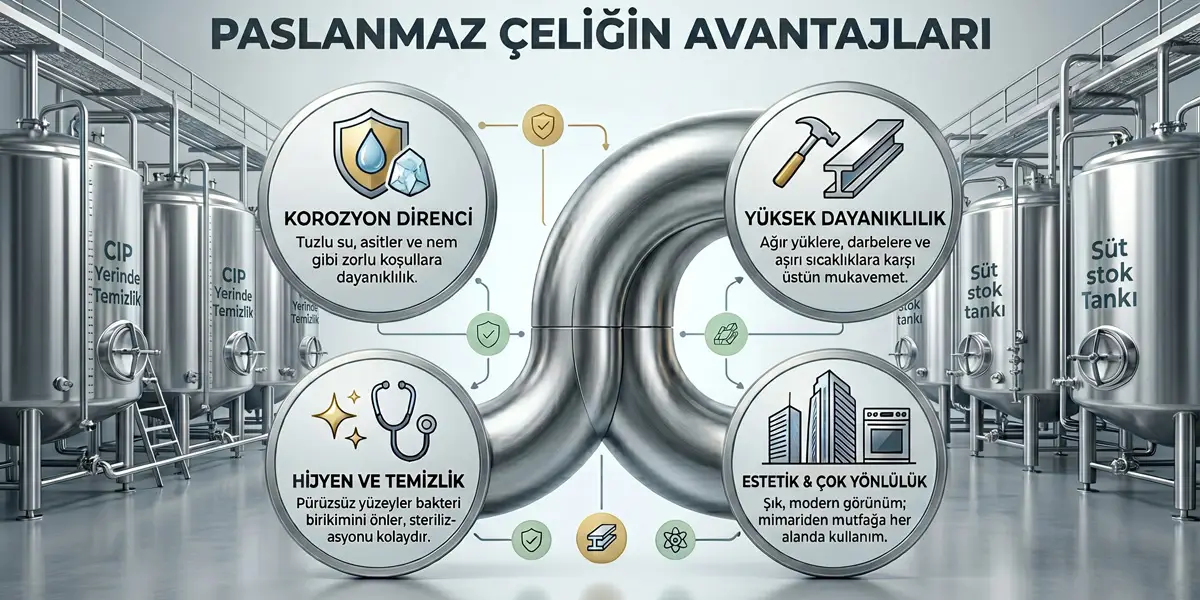
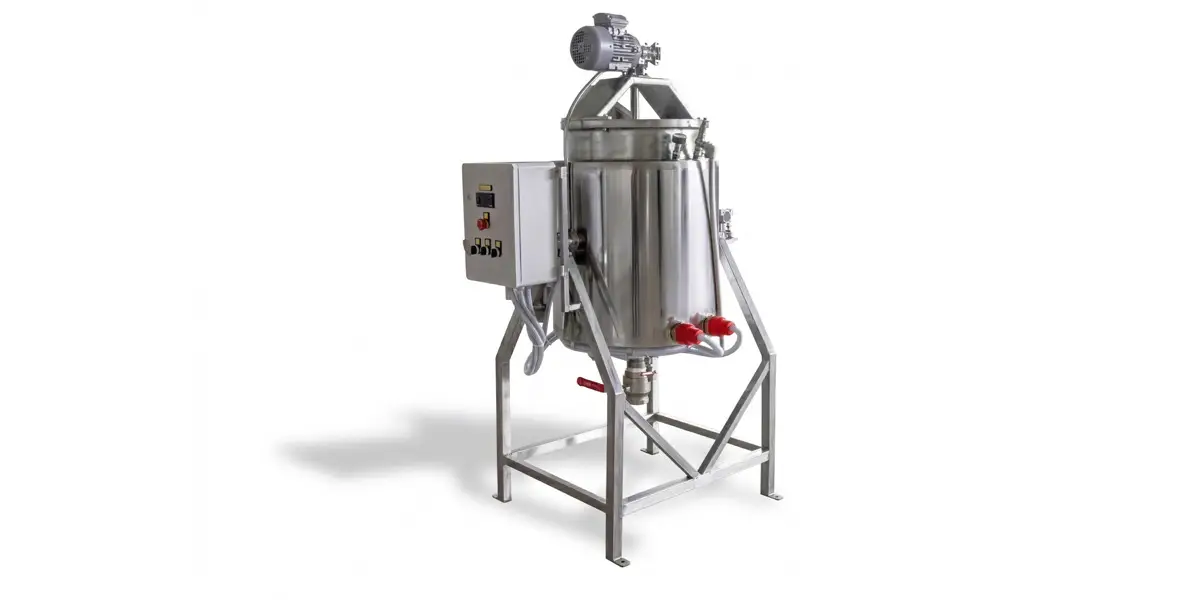
Guide to Selecting Industrial Sauce Preparation Tanks
In the food industry, the production of ketchup, mayonnaise, tomato paste or speciality sauces requires extremely precise processes. The product’s con...
Read more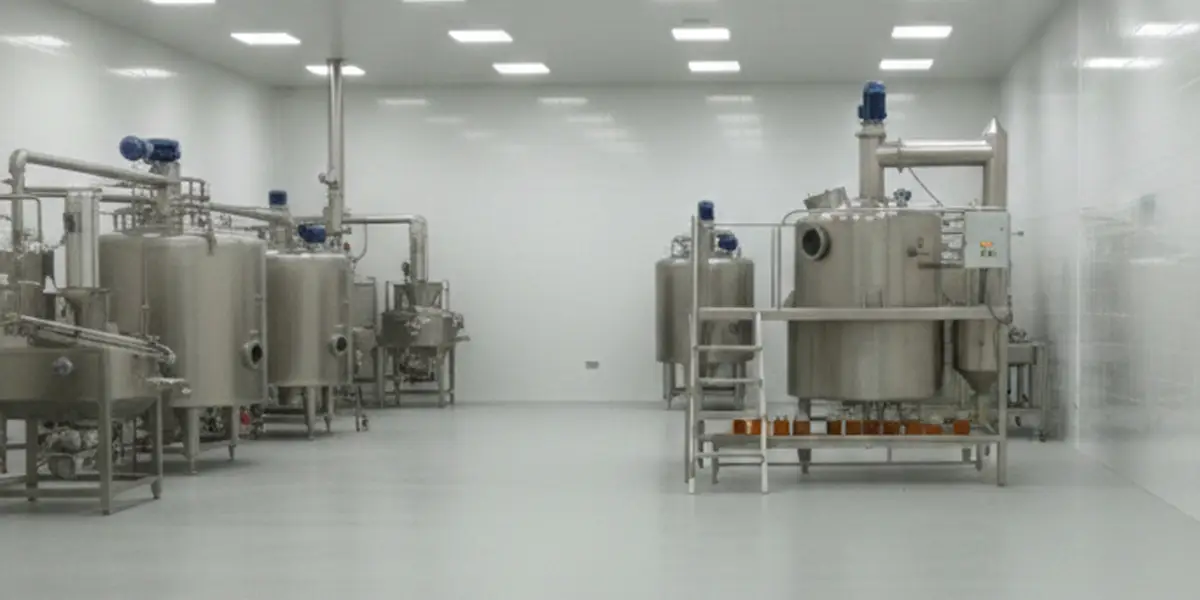
What is a Honey Vacuum Tank and Its Features
Honey is a naturally sensitive product. From harvest to the packaging stage, removing air bubbles from the honey (deaeration) and controlling its mois...
Read more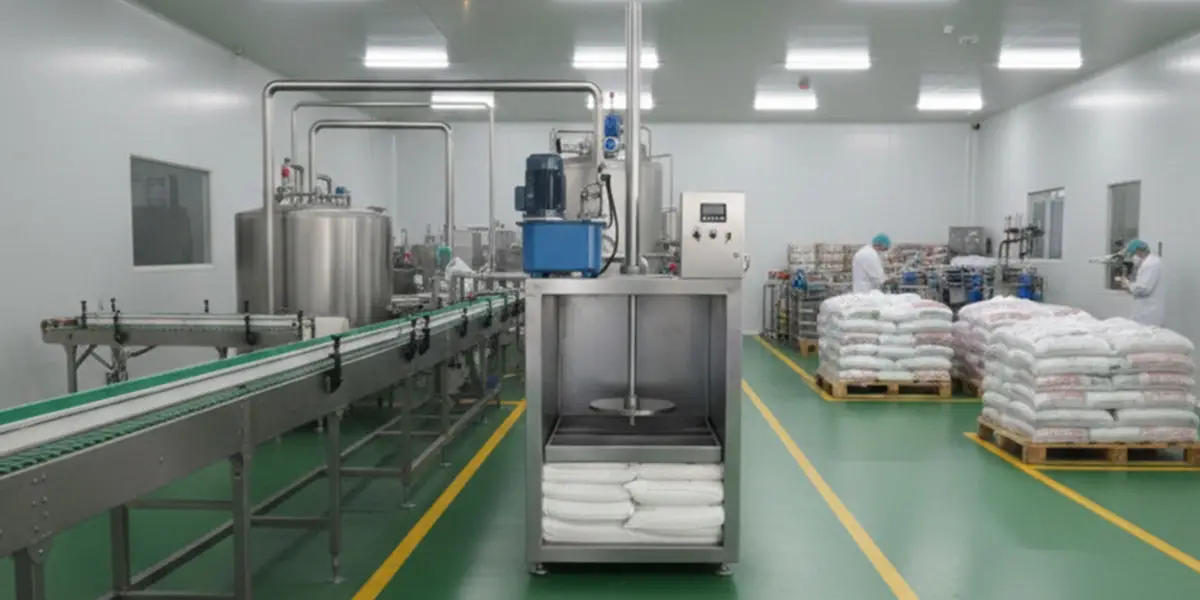
Form and Quality Standards in Cheese Processing
Cheese Pressing Machine: Milk Processing ProcessesMoulding and draining, one of the most critical stages of cheese production, directly determines the...
Read more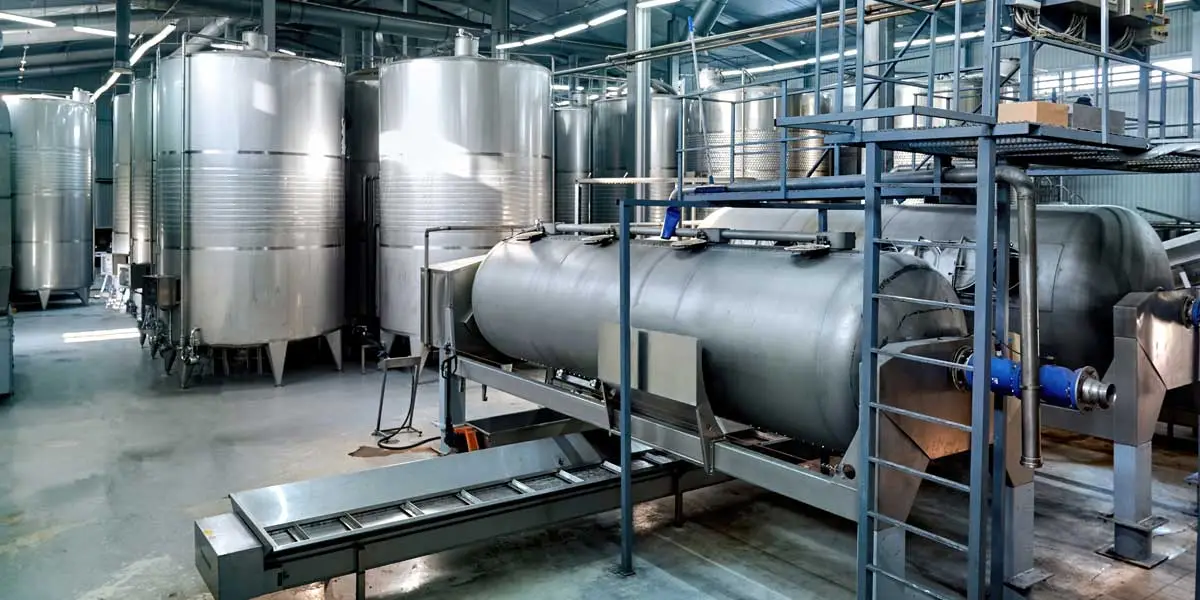
Industrial Stainless Steel Equipment Guide
Industrial Stainless Steel Equipment Guide: The Foundation of Efficiency and HygieneWhen it comes to durability, hygiene and longevity in modern produ...
Read more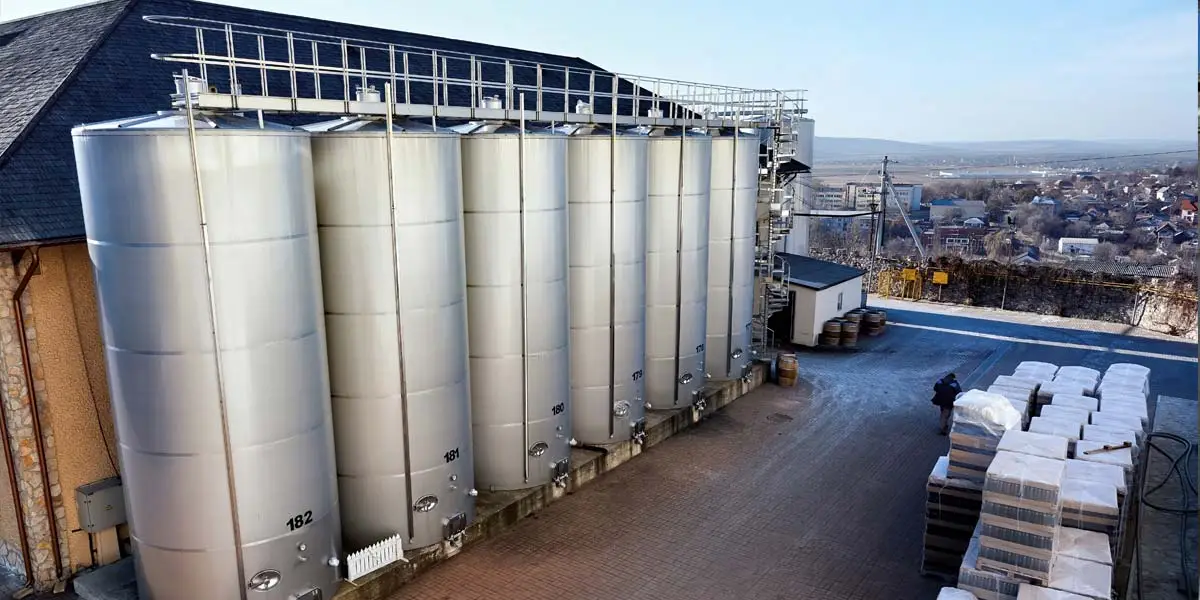
Stainless Steel Processing and Storage Guide
Industrial plant efficiency begins with the combination of the right material selection, hygienic design and advanced engineering techniques. The use ...
Read more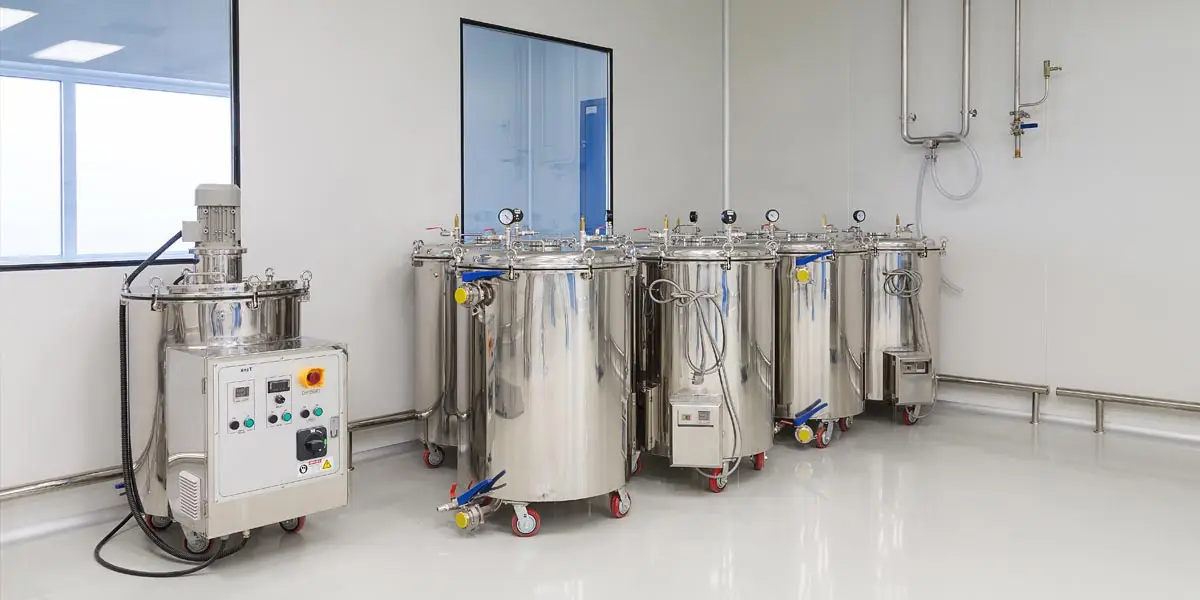
ÖNSA Machinery Comparative Product Guide (Comparison Sheets)
Select the most suitable equipment for your milk processing plant! Review our comprehensive comparative guide on boat-type and vertical cooling tanks,...
Read more
What is a Milk Storage Tank? How Does it Work, Why is it Used?
The milk storage tank, considered the heart of milk processing plants and modern dairies, is a professional storage solution designed to preserve raw ...
Read more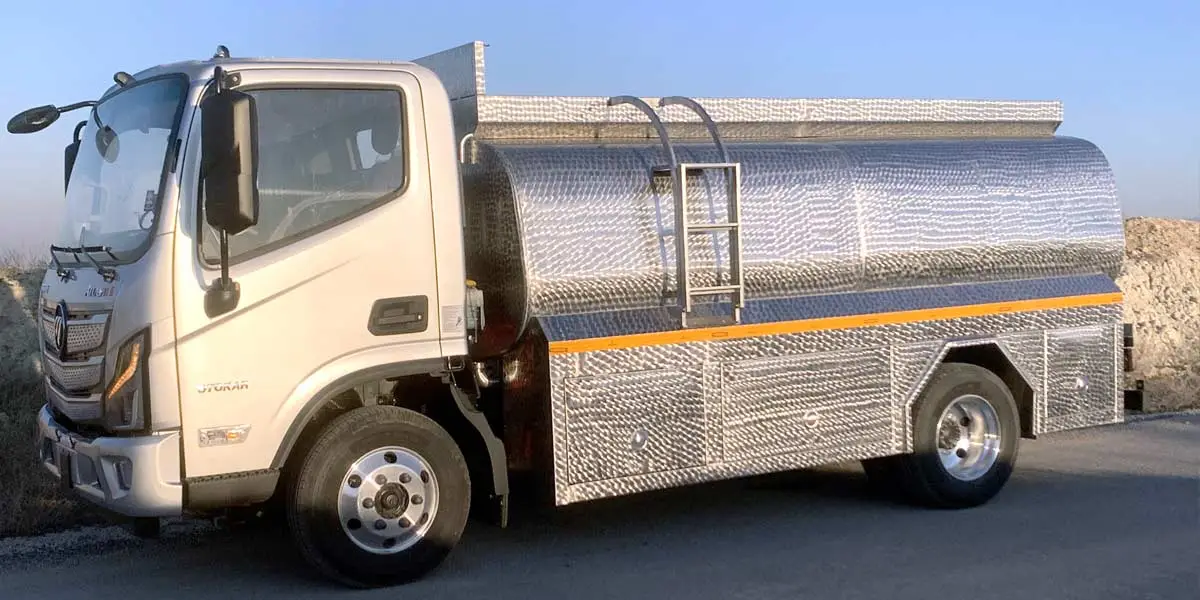
Stainless Steel Water Transport Tankers
Maintaining the chemical composition of water and ensuring logistical security are the top priorities in water transport processes. Transport tankers ...
Read more