Stainless Steel Processing and Storage Guide
Industrial plant efficiency begins with the combination of the right material selection, hygienic design and advanced engineering techniques. The use of stainless steel in the dairy, food, chemical and pharmaceutical industries is a standard requirement for both maintaining product quality and extending operational life.
1. Dairy Processing and Cooling Technologies
Maintaining the quality of raw milk from milking onwards requires precise thermal management.
Rapid Cooling Systems: Energy-efficient tanks are used to rapidly cool milk to +4°C to prevent bacterial growth.
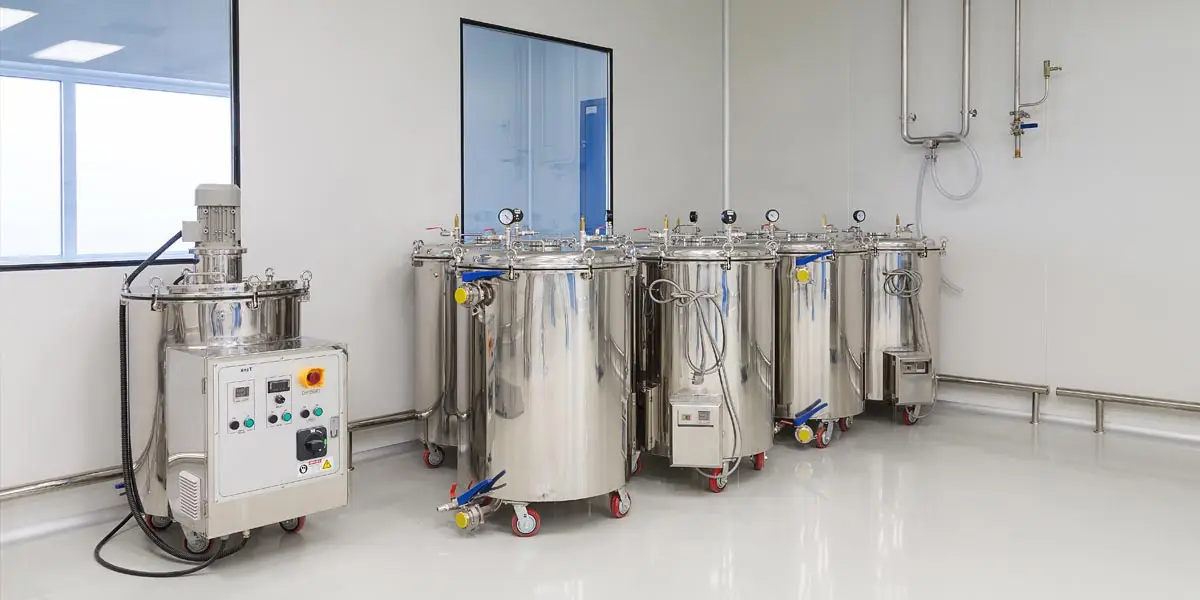
Process Vessels: Double-walled (jacketed) designs ensure homogeneous heat distribution, preventing protein burns and preserving nutritional value.
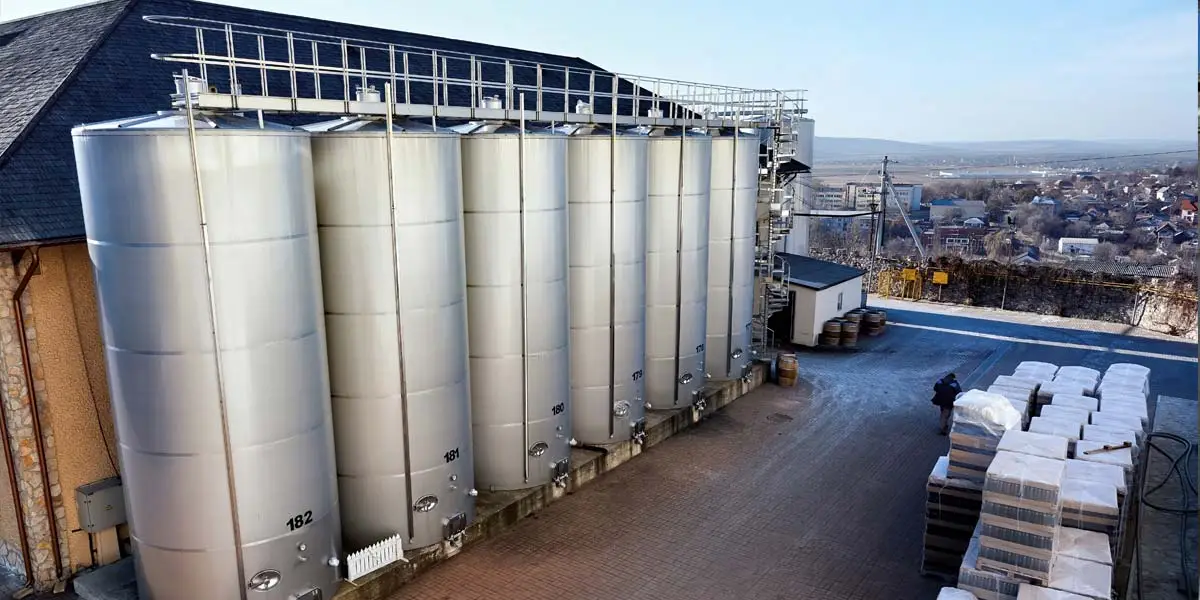
Storage Solutions: Special mixer systems that do not disrupt the fat structure of milk are integrated into large-volume storage tanks.
Hygiene Standards: Fully automatic in-situ cleaning (CIP) units, which enable tanks to be sterilised without human contact, guarantee operational hygiene.
2. Mobile Logistics and Transport Solutions
Maintaining product temperature and ensuring logistical security during the transport of liquids is of critical importance.
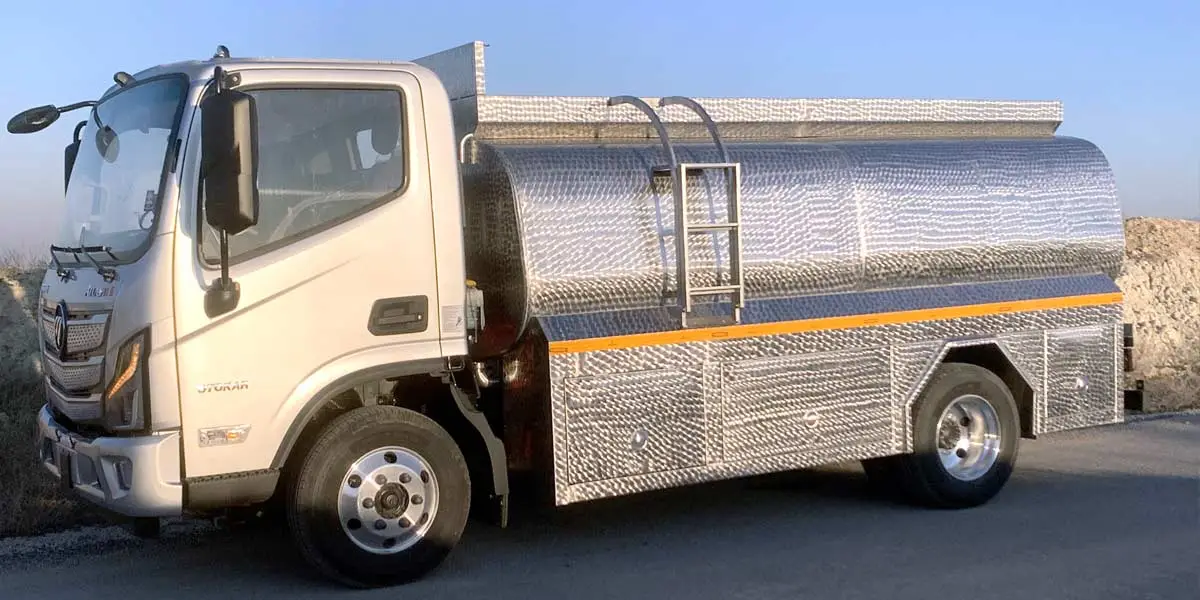
Insulated Transport Tanks: High-density insulation layers minimise the effect of external ambient temperature on the liquid during transit.
Wave-Breaker Engineering: Stainless steel wave-breakers installed inside the tank dampen liquid movements, ensuring vehicle stability and driving safety.
Stainless Steel Water Tankers: Stainless steel, with its high corrosion resistance, protects the biological structure of the water in drinking water or industrial water transport.
IBC Tank Systems: Stackable, durable stainless steel containers offering 100% discharge capability are preferred in the logistics of sensitive liquids and chemicals.
3. Industrial Mixing and Processes
Process equipment customised according to product viscosity and chemical composition directly affects production quality.
Scraping Mixers: Scraping blades designed for sauces, jams, or thick-consistency foods maximise heat transfer and prevent product adhesion to the walls.
Sector-Specific Manufacturing: Engineering solutions tailored to specific tasks are offered, such as dye preparation tanks for the textile industry or stainless steel cooling channels for the cable sector.
4. Material Selection: AISI 304 and 316L
The most fundamental factor determining the investment's lifespan is the choice of metallurgical quality.
AISI 304: Offers high corrosion resistance and excellent hygiene for general food applications such as milk and water.
AISI 316L: Provides maximum durability for environments with acidic liquids, pharmaceuticals, and aggressive chemicals thanks to its molybdenum content.