What is a Milk Transport Tank?
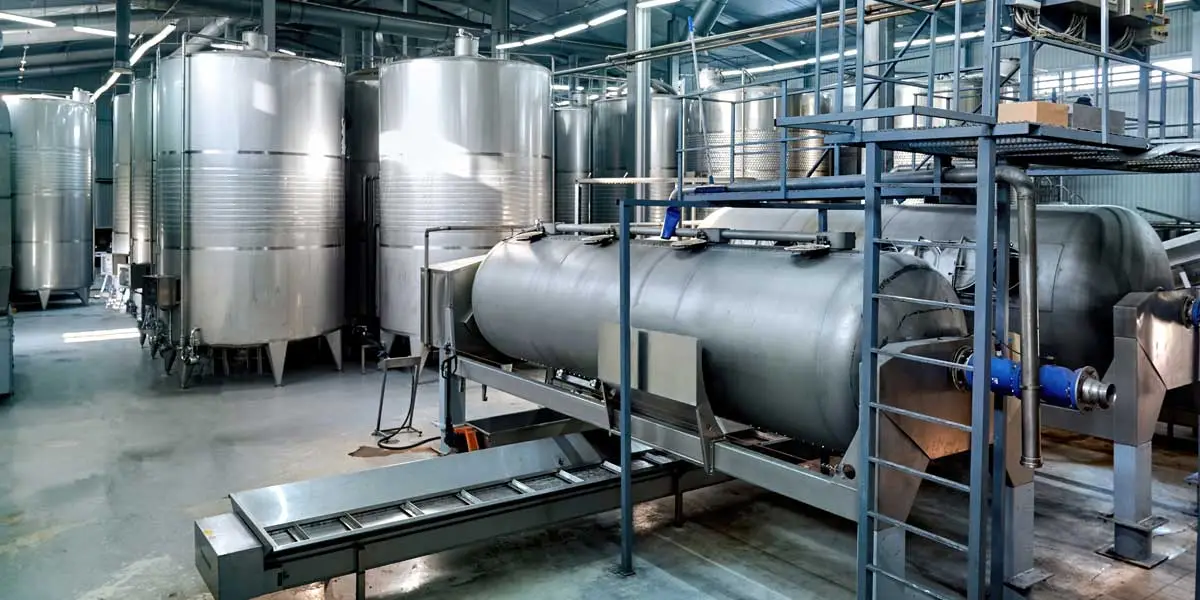
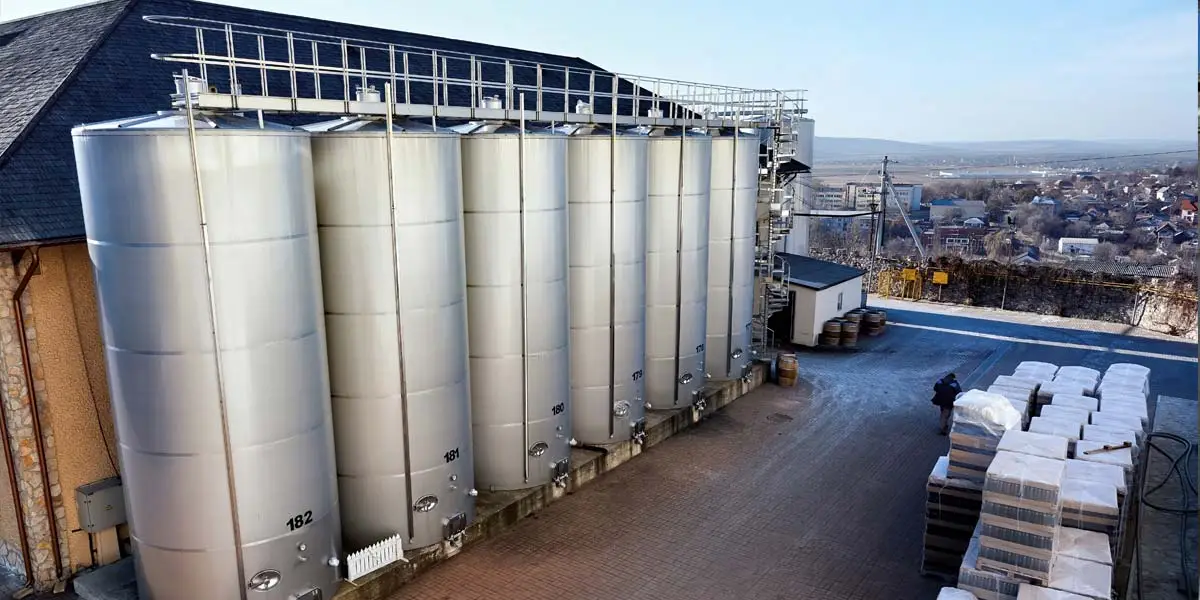
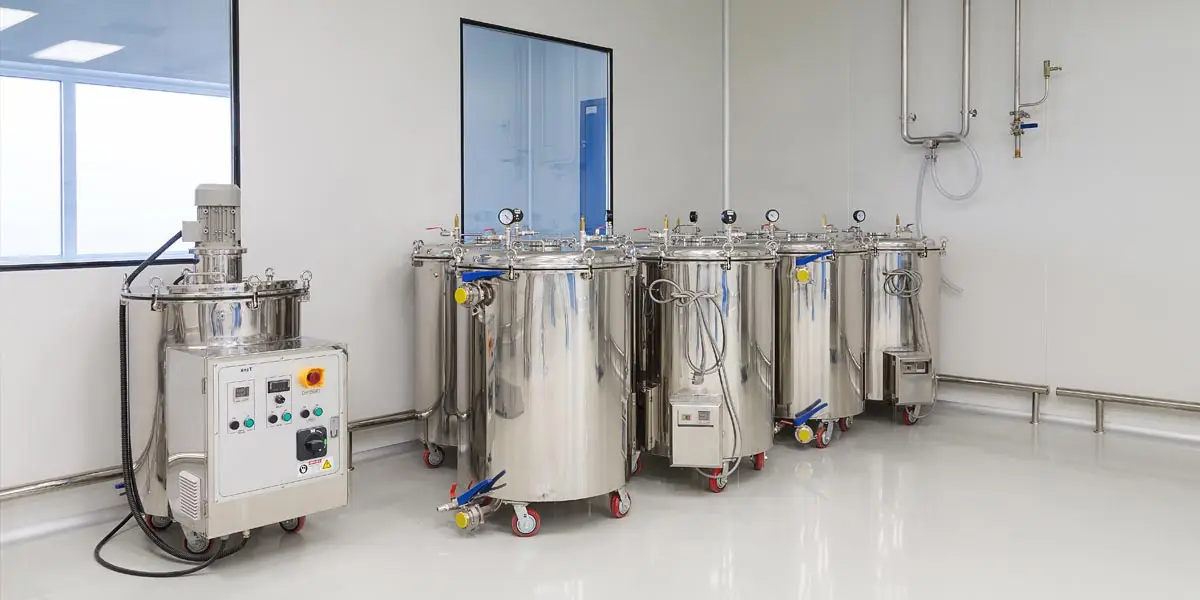
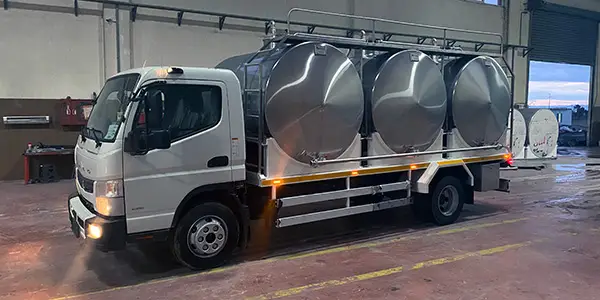
Milk transport tanks are specialized stainless steel storage systems designed for the hygienic and safe collection and delivery of raw milk from farms to processing facilities. These insulated tankers are critical logistical equipment ensuring the cold chain remains unbroken, thus preserving the milk's quality and preventing microbiological spoilage.
At ÖNSA Makine, we engineer solutions that prioritize hygiene, safety, and durability in liquid food transportation.
Key Functions and Importance
The primary role of milk transport tanks is to optimize logistics while maintaining the milk's nutritional value and freshness:
- Hygienic Transport: All tank bodies are constructed from AISI 304 or 316 grade stainless steel, preventing contamination and protecting the milk from external factors.
- Temperature Stability: The tank's insulated structure ensures the milk remains at an ideal temperature throughout the journey, eliminating the risk of spoilage.
- Efficiency: High-capacity, multi-compartment designs (such as Kirkayak truck-mounted or trailer tankers) allow for the transportation of different milk types simultaneously, optimizing logistical costs.
- Safety & Compliance: Manufacturing strictly adheres to food safety standards and road transportation regulations.
Technical Specifications and Models
ÖNSA Makine offers various capacities and designs, from small-scale transfer to long-haul logistics:
- Capacity Range: From 200 liters up to 40,000 liters.
- Material: AISI 304 or AISI 316 grade stainless steel construction.
- Structure: Single, dual-compartment, or multi-compartment insulated systems.
- Insulation: High-density thermal insulation (Polyurethane) to minimize heat loss.
- Mounting Type: Truck-Mounted (light-duty or multi-axle) and Semi-Trailer Tankers.
- Cleaning: Smooth interior surfaces and full compatibility with CIP (Clean in Place) systems.