Why Is The Use of a CIP Tank Critical in the Production Line? (Clean-in-Place Guide)
In industrial food, dairy, and beverage production, hygiene is the first step toward maintaining quality. Manually dismantling and cleaning machinery and tanks after every production cycle is both time-consuming and labor-intensive. This is where CIP (Cleaning In Place) systems come in.
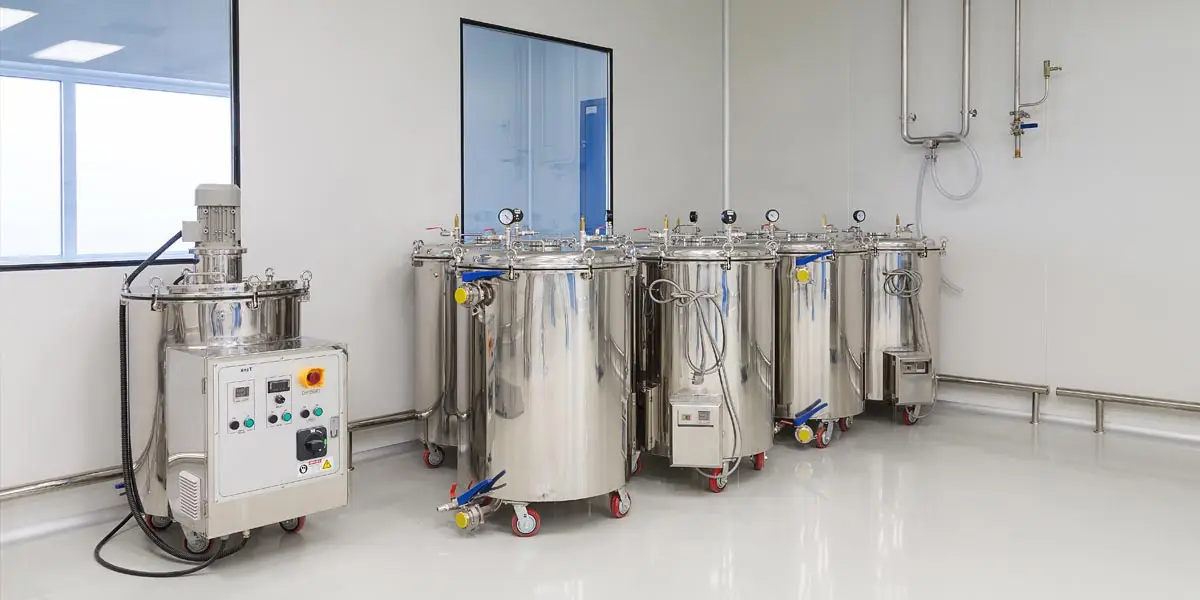
As ÖNSA Makine, we produce CIP Tanks that are at the core of automated cleaning solutions. So, why is the use of a CIP Tank so vital for your production line's health, and how does it work?
1. Three Main Advantages of Using a CIP Tank
CIP tanks offer three major benefits compared to traditional manual cleaning:
Hygiene Guarantee: Eliminates human error. It ensures that chemicals at a standardized and optimized temperature reach every corner of the tank, piping, and equipment, minimizing the risk of microorganisms and residue.
Time and Labor Saving: While manual cleaning can take hours, the CIP system is automatically programmed and completed in minutes. Personnel can focus on more critical operational tasks.
Chemical and Water Optimization: Chemicals and water are filtered and stored in closed-loop systems, making them suitable for reuse. This significantly reduces both costs and environmental impact.
2. How Do CIP Tanks Work? (The Simple Cycle)
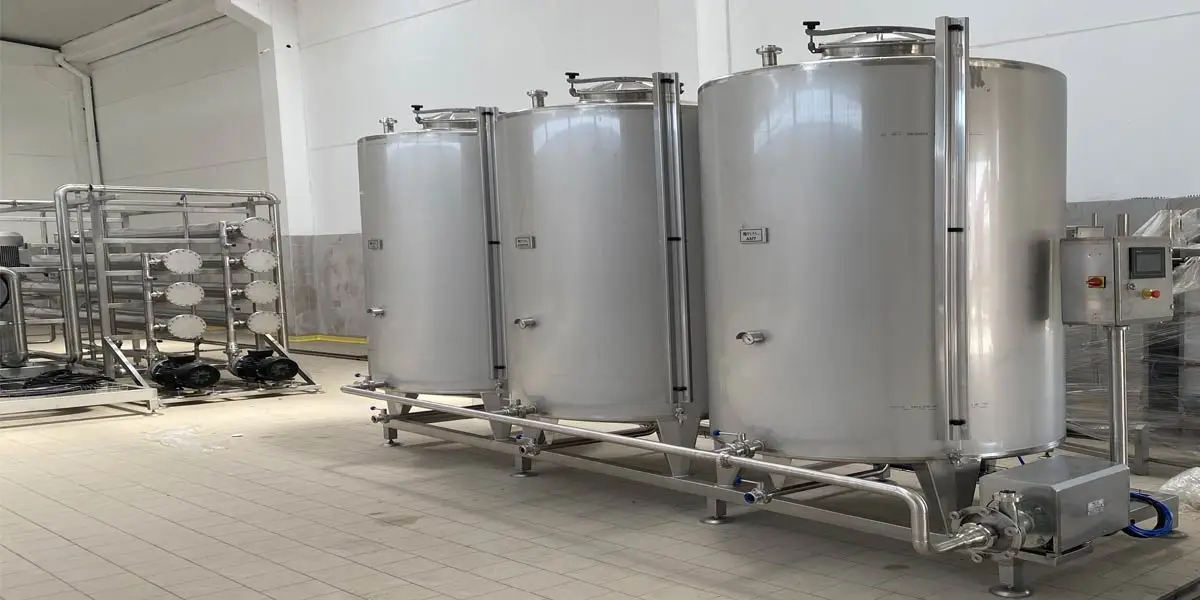
A typical CIP system, generally consisting of 2, 3, or 4 tanks, follows these steps:
Pre-Rinse: Recycled water is used to flush production residues from pipes and tank surfaces.
Caustic Wash (Alkaline): A high-pH caustic solution, which dissolves organic residue (fats, protein), is pumped from the CIP tank into the line and circulated back.
Intermediate Rinse: Water is used to remove caustic residues.
Acid Wash: A low-pH acid solution is used to dissolve inorganic residues (limescale, mineral buildup). This tank also works cyclically.
Final Rinse: Clean and fresh water is used to prepare the equipment for use.
3. Features to Look for in ÖNSA Makine CIP Tanks
Stainless Steel Quality: CIP tanks dealing with corrosive chemicals (caustic and acid) should be made of AISI 316 quality stainless steel for longevity (304 may be insufficient).
Temperature Control: Tank must be equipped with heating jackets (steam or electric) for precise temperature control, as chemical effectiveness depends on temperature.
Accurate Level Sensors: Precision level measurement systems are required in CIP tanks to optimize chemical and water usage and prevent pumps from running dry (cavitation).
PLC Automation: An integrated PLC control panel should automatically manage cycles, monitor chemical concentration, and offer reporting capabilities.
Conclusion: CIP tanks are not just a cost—they are an investment for long-term hygiene assurance, efficiency improvement, and food safety.