Guide to Selecting Industrial Sauce Preparation Tanks
In the food industry, the production of ketchup, mayonnaise, tomato paste or speciality sauces requires extremely precise processes. The product’s consistency, colour and shelf life depend directly on the technology of the sauce preparation tank used in production.
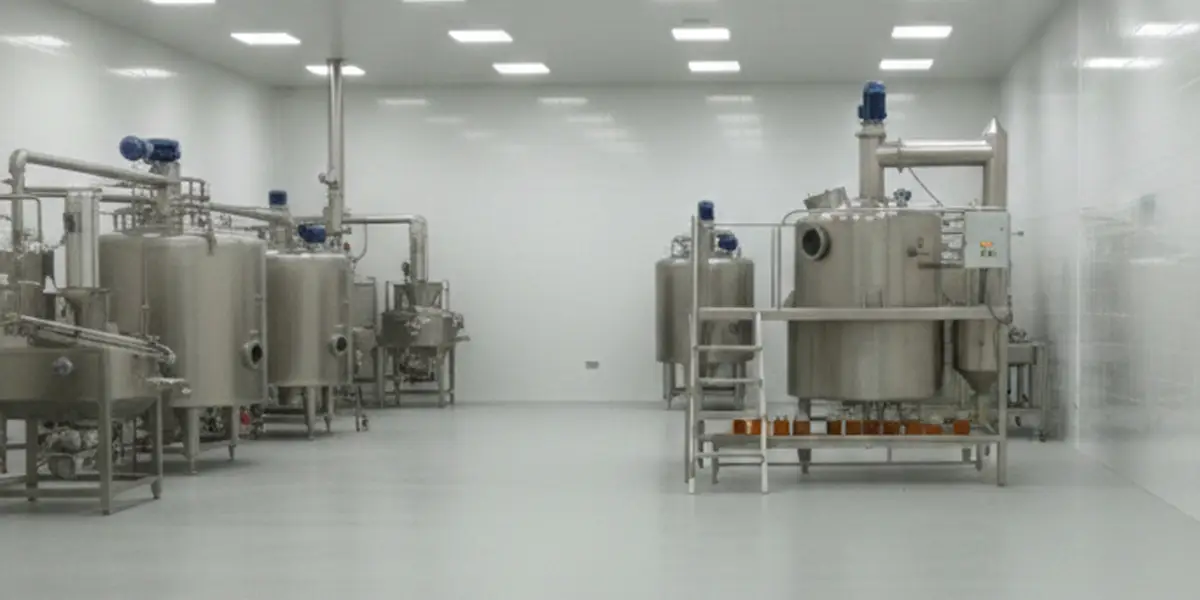
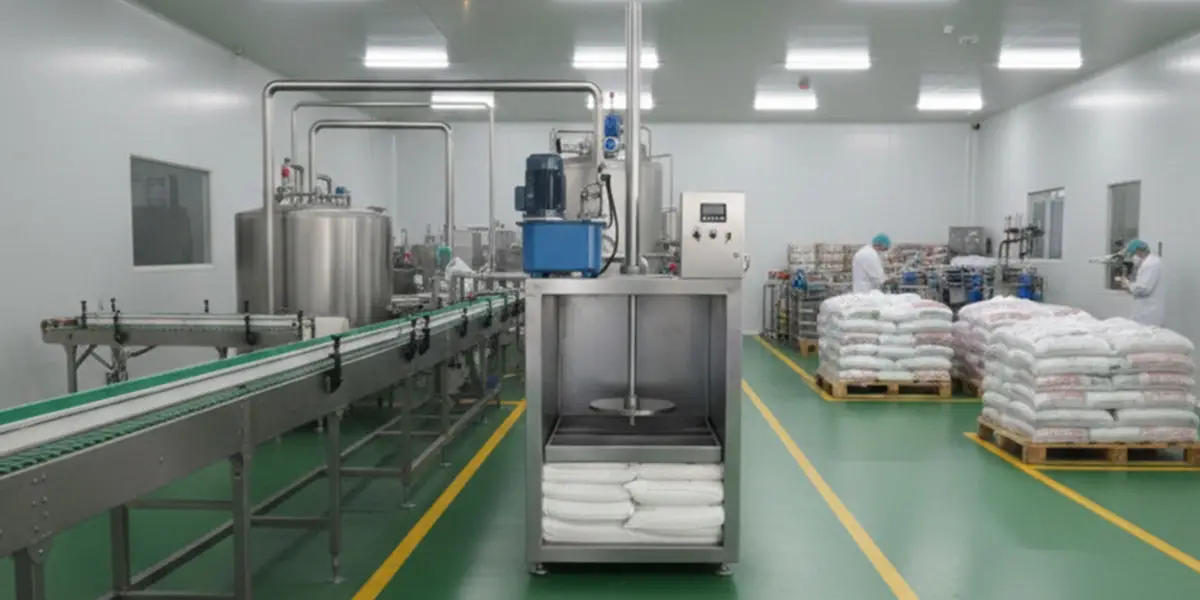
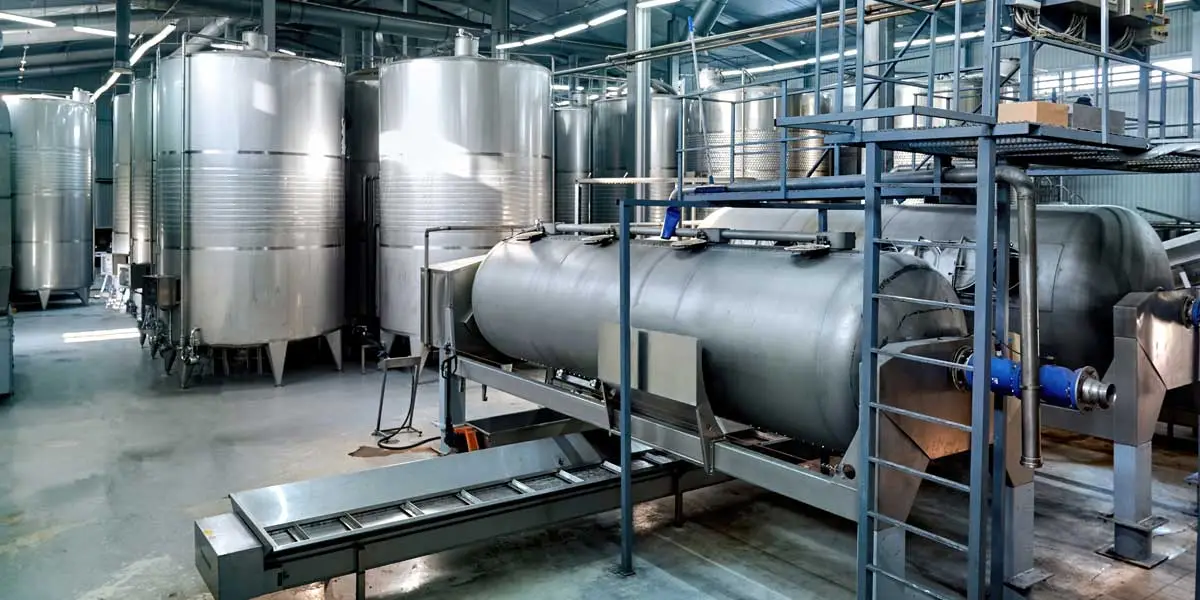
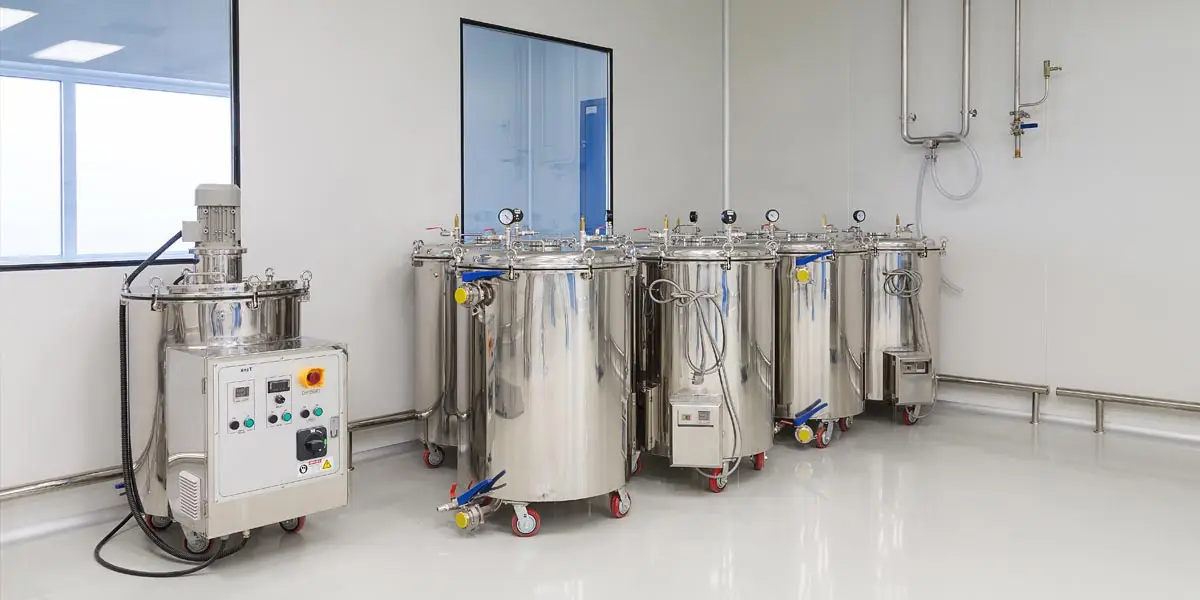
In this guide, we will examine the technical details you need to consider when selecting the right stainless steel sauce tank for your food production facility, as well as how this equipment contributes to your production efficiency.
Why Do You Need a Professional Sauce Preparation Tank?
Sauce production involves far more than a simple mixing process. Liquids of varying densities and powdered ingredients (spices, thickening agents) must blend seamlessly. Using substandard equipment can lead to the product sticking to the bottom, clumping, or the loss of nutritional value during thermal processing.
A sauce preparation machine designed with the right engineering offers you the following advantages:
- Sustainable Quality: Ensures consistent taste and consistency in every batch.
- Time and Energy Savings: Reduces production time with optimised heating and cooling systems.
- High-Level Food Safety: Ensures full compliance with international food codes thanks to bacteria-free surfaces.
Essential Technical Features for Sauce Tanks
When purchasing a sauce preparation tank, you should consider the following technical components to find the solution best suited to your needs:
1. Homogenisation and Mixing Systems
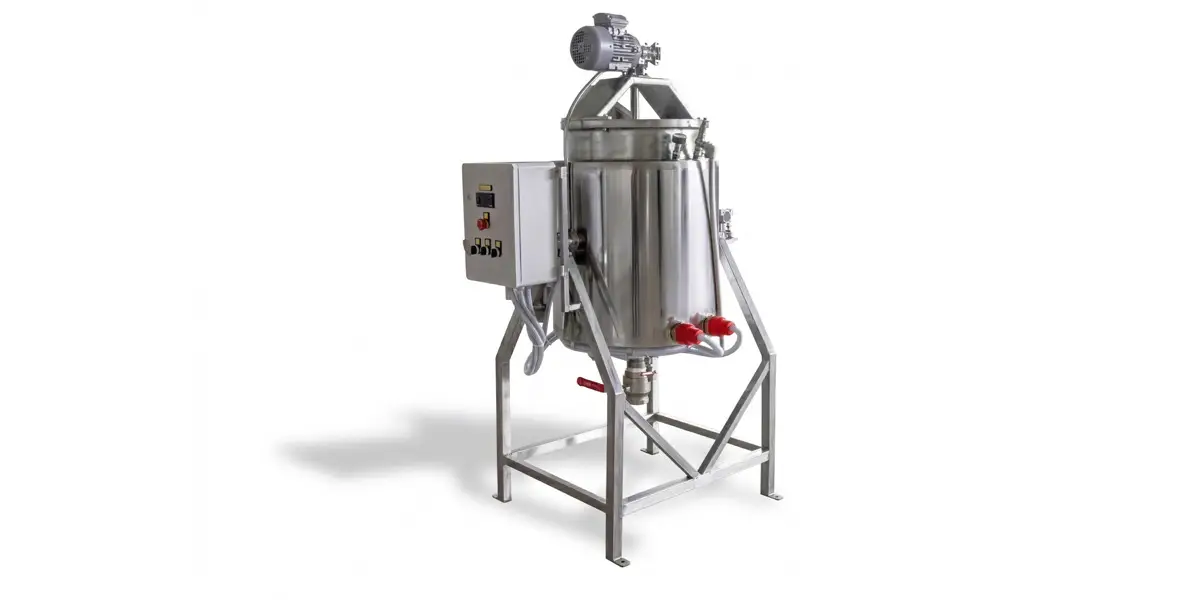
The biggest challenge in sauce production is the separation of oil- and water-based liquids. To prevent this, the tank must contain a mixer suitable for the product. Scraper mixers (systems with Teflon or silicone tips that scrape the inner wall of the tank to prevent the product from burning) are essential, particularly for thick-consistency products such as ketchup and tomato paste.
2. Temperature Control: Jacketed Tank Design
Heating and cooling processes directly affect the viscosity (resistance to flow) of the sauce. Dimple plate (a corrugated jacket structure that increases the heat transfer surface area to save energy) or half-pipe coil jacket systems ensure that the temperature is distributed evenly throughout the tank.
3. CIP (Clean-in-Place) Compatibility
CIP (Clean-in-Place) is a system that enables the tank to be washed and disinfected automatically without the need for disassembly. To prevent cross-contamination (residues from the previous product mixing with the new product) in food production, sauce tanks must be manufactured with a design that can be integrated into the CIP system and feature smooth welds that eliminate ‘dead spots’ (corners and recesses where the liquid cannot reach).
Choosing the Right Material: Why AISI 316 Grade Stainless Steel?
Sauces typically contain acidic components (tomato-based products, vinegar, lemon juice) or ingredients with high salt content. Such aggressive substances cause corrosion (rusting and wear) in standard metals.
Therefore, it is vital that all internal surfaces in contact with the sauce are manufactured from AISI 316 or 316L grade stainless steel. This material offers high acid resistance and prevents the chemical composition of your product from being compromised.
Uninterrupted Production Support Across Turkey with Önsa Makine
From the perspective of an SEO and local market expert, working with a local manufacturer that can provide the fastest technical support when your production line stops is the most profitable investment.
At Önsa Makine, from our modern production facility in Denizli, we manufacture sauce preparation tanks in custom sizes and capacities for food factories across Turkey, including Istanbul, Izmir, Bursa and Gaziantep.
Contact our engineering team today for automated stainless steel tank solutions best suited to your facility’s capacity and the recipe of the sauce you produce.