What is Milk Pasteurisation?
What is Milk Pasteurisation? Modern Pasteurisation Systems Used in Milk Processing Plants
Milk is one of the most sensitive foodstuffs that must undergo processing for microbiological safety before it is suitable for direct consumption. Pasteurisation is the most common method of rendering harmful microorganisms in milk inactive while preserving its nutritional value.
What is Milk Pasteurisation?
Pasteurisation is a process that involves heating milk to a specific temperature and then rapidly cooling it to eliminate microorganisms harmful to human health.
This process was developed by Louis Pasteur in the 19th century and forms the basis of all modern milk processing plants today.
Pasteurisation Methods
LTLT (Low Temperature Long Time): Held at 63°C for 30 minutes. Generally preferred for small-scale production.
HTST (High Temperature Short Time): Held at 72°C for 15 seconds. This is the most common method in industrial plants.
UHT (Ultra High Temperature): Applied at 135°C for 2-3 seconds. The milk remains unspoiled for a long time as long as the packaging is not opened.
Modern Pasteurisation Systems
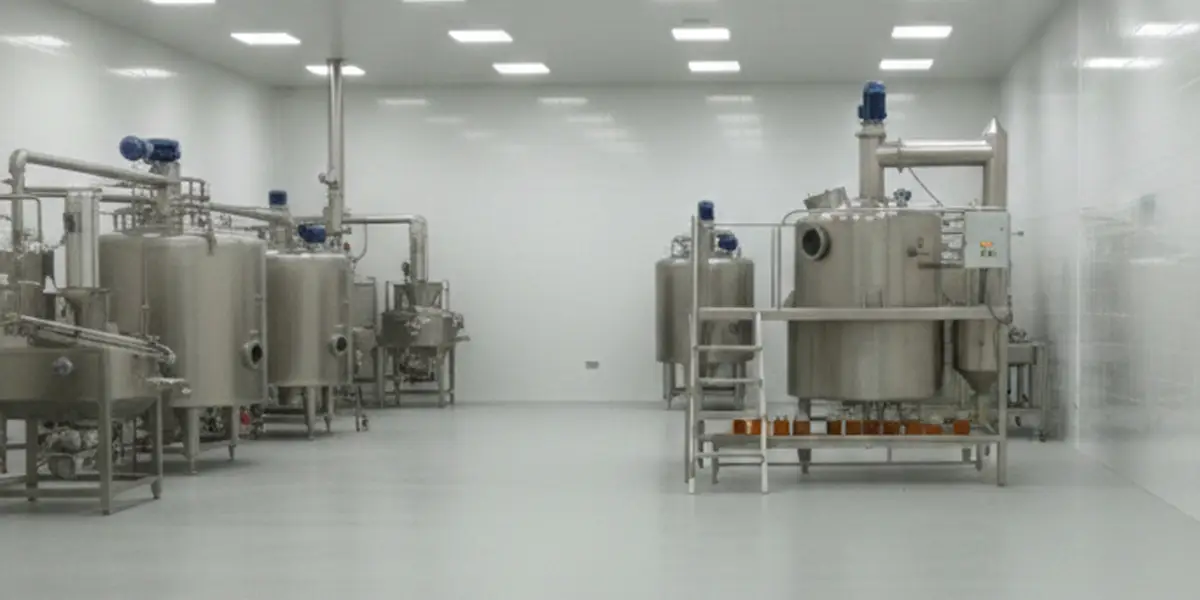
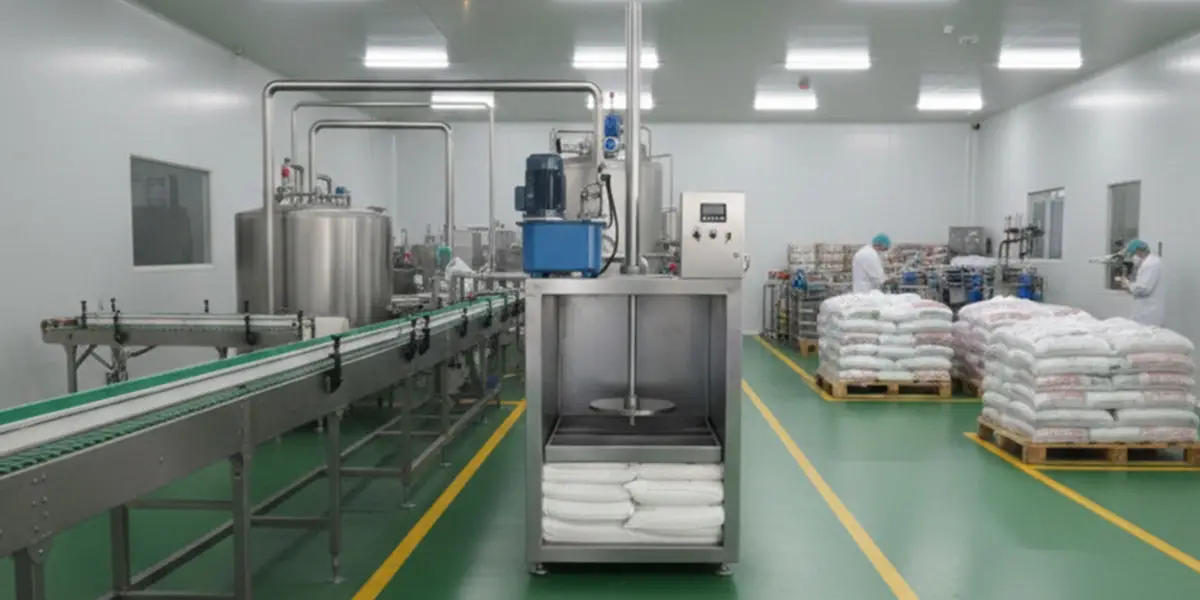
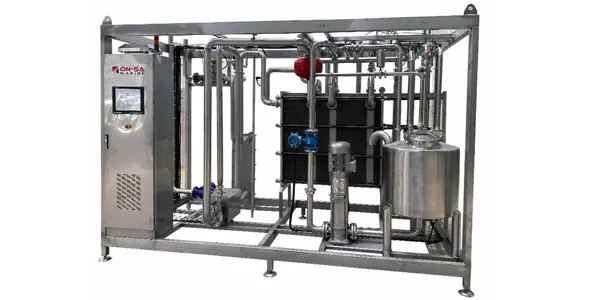
Today, pasteurisation processes are generally carried out using plate pasteurisation systems. These systems stand out for their high heat transfer efficiency, hygienic structure and low energy consumption.
ÖNSA Machine production pasteurisers feature:
- AISI 304 stainless steel body,
- Automatic temperature control,
- Energy recovery system,
- Easy cleaning (CIP compliant) design,
- as standard features.
The Importance of Pasteurisation
Pasteurisation has three main objectives:
- Ensuring food safety – Eliminating harmful bacteria.
- Extending the shelf life of milk – Delays spoilage, allowing for longer storage.
- Preserving nutritional value – Vitamin and protein loss is kept to a minimum.
- Pasteurised milk is both safer and more transportable than raw milk.
- Energy Efficiency and Modern Solutions
- New generation pasteurisers are equipped with heat recovery systems that prioritise energy savings.
- These systems reduce operating costs by reusing the energy generated during cooling.
- ÖNSA Makine's plate pasteurisers, with their designs suitable for 24/7 operation and high efficiency, are a reliable solution partner for milk processing plants.
Areas of Application
- Milk collection centres
- Yoghurt, ayran, kefir production plants
- Cheese production lines
- Food and beverage industry
- Industrial milk processing plants
Result: Hygiene, Efficiency and Quality
Milk pasteurisation is not merely a thermal process; it is the cornerstone of food safety, quality standardisation and economic production.
With the right pasteurisation system, both energy costs are reduced and product quality becomes consistent.
Contact us immediately for energy-efficient milk pasteurisation systems that comply with food safety standards.
ÖNSA Makine – Your Reliable Partner in Milk and Dairy Product Processing Technologies.