Why is the Selection of the Agitator Crucial in the Selection of a Mixer Tank?
Mixing (agitation) is the cornerstone of industrial processes. Whether you are distributing starter culture into milk in a fermentation tank or homogenising the chemical composition in a reactor, achieving perfect homogeneity of the fluid inside the tank guarantees the quality of your final product.
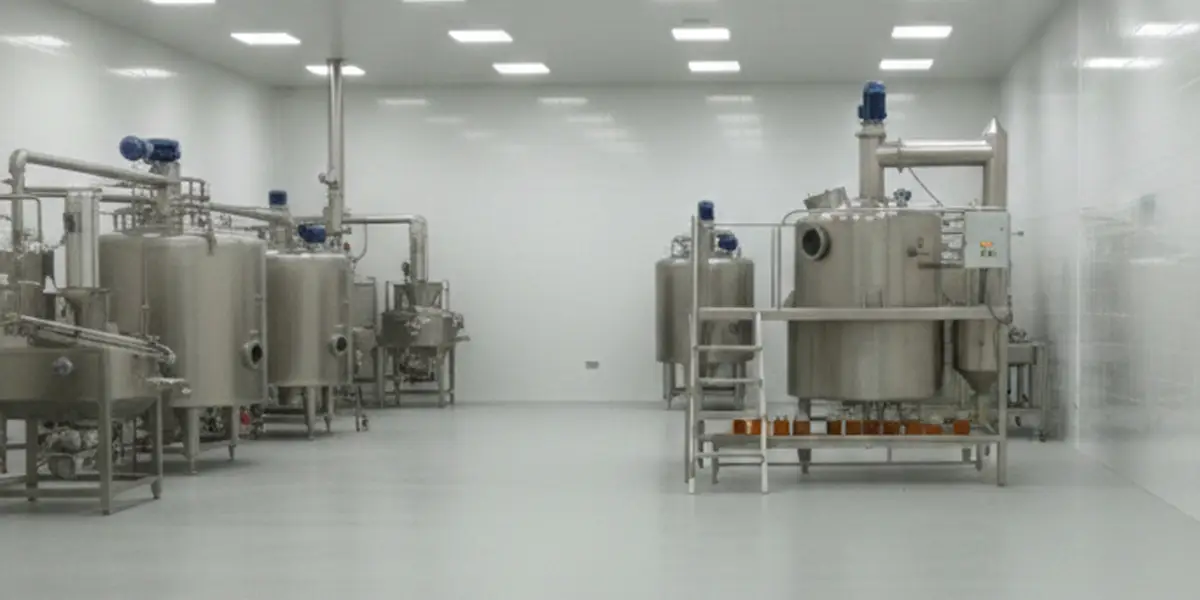
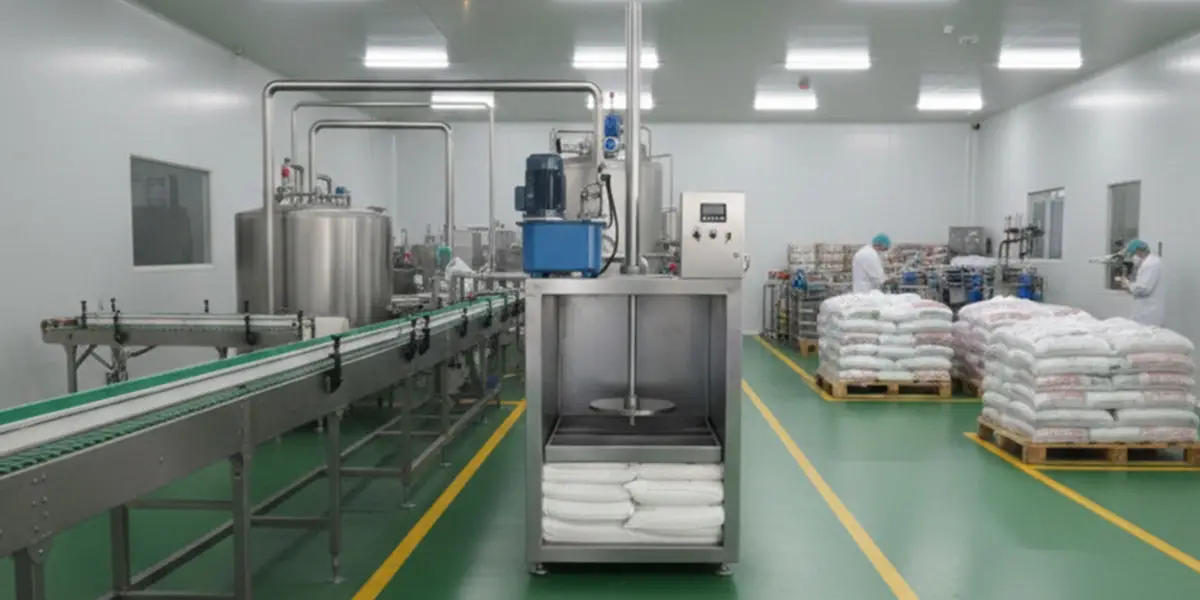
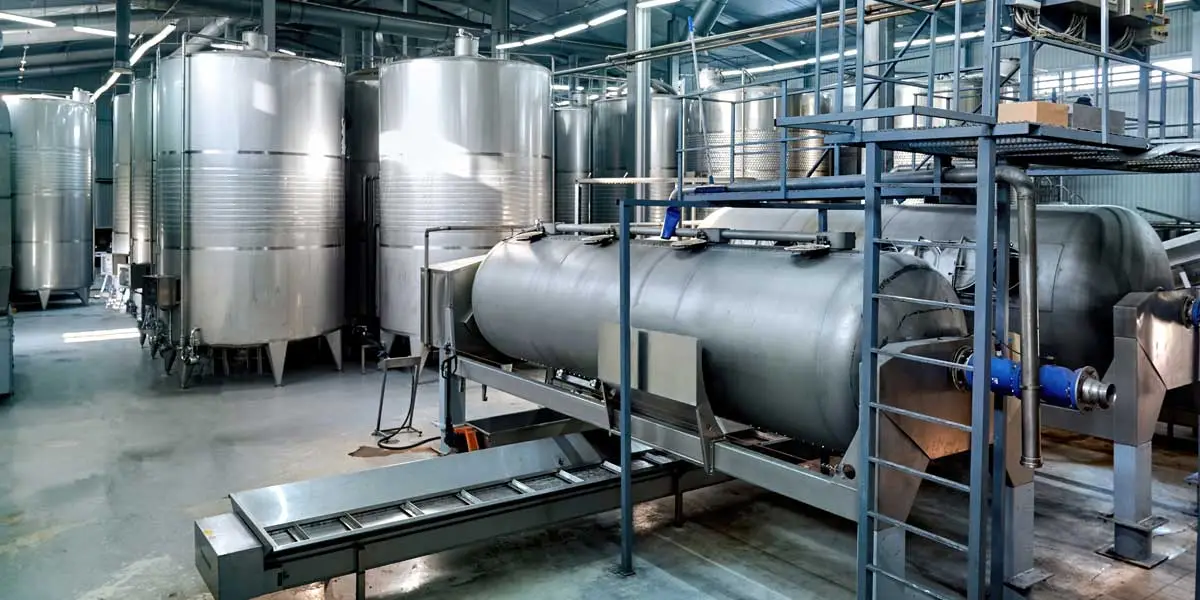
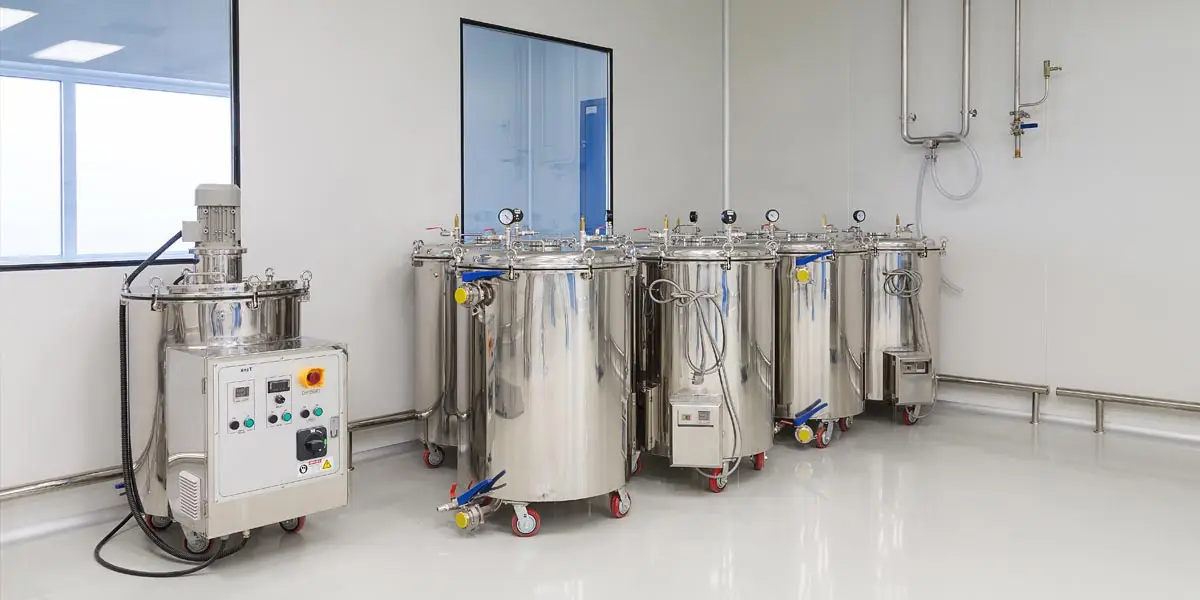
Mixer Tanks (Tanks with Mixing Systems) manufactured by ÖNSA Makine are designed with mixer geometry and motor power specific to your process. Choosing the wrong mixer leads to energy waste, the formation of ‘dead zones’ and a decline in product quality.
1. Two Main Process Types in Agitator Selection
The first step in determining the agitator geometry is the purpose for which the fluid in the tank is being mixed:
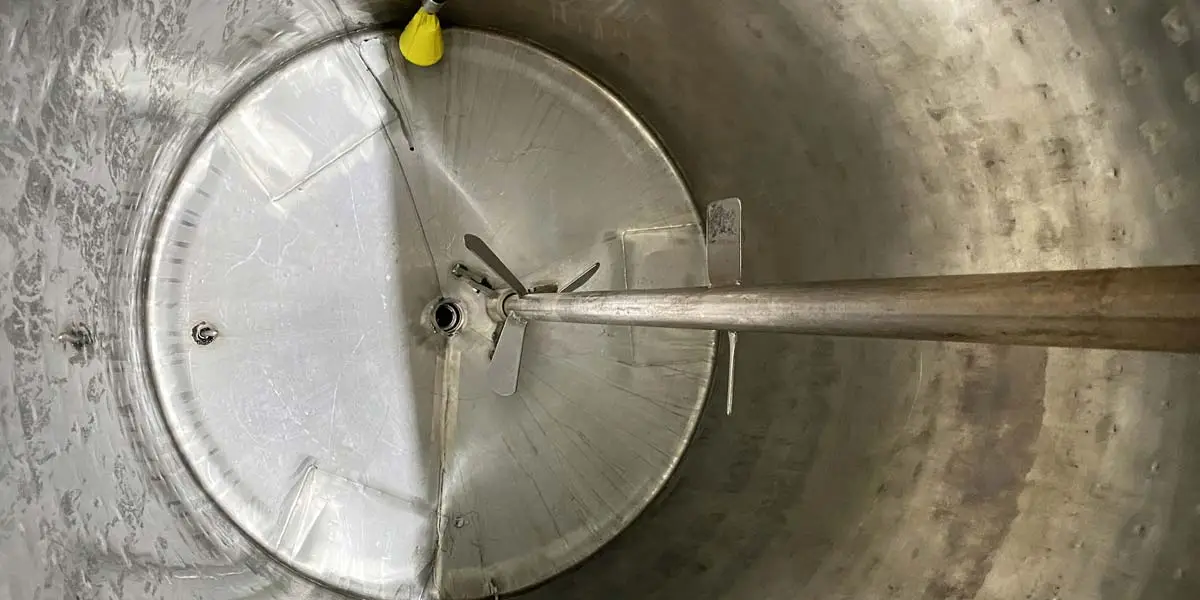
Radial Flow (High Shear): If the objective is rapid dissolution in low-viscosity liquids, gas distribution (aeration), or vigorous mixing of two liquids (emulsion), high-speed (RPM) radial flow agitators such as turbine or gear impellers are preferred.
Axial Flow (Homogenisation): If the aim is to eliminate temperature and concentration differences by providing gentle circulation throughout the tank volume, propellers or inclined vanes are used. This is ideal for sensitive processes such as yoghurt fermentation and storage.
2. Additional Placement and Design Solutions
Achieving perfect homogeneity depends not only on the correct mixer type but also on the internal tank design:
Mixer Placement: The mixer shaft should be placed at a slight angle to the centre of the tank, rather than vertically, to prevent vortex formation and air entrainment.
Mixer Shaft Baffles: These break up large vortices, particularly in low-viscosity liquids, ensuring the mixing of radial and axial flow. This increases homogeneity and optimises mixer performance.
Material Quality: Mixer tanks that come into contact with abrasive or CIP chemicals, including the shaft, bearings, and impellers, should be manufactured from AISI 316L stainless steel.
ÖNSA Makine determines the mixer geometry and power that will provide the highest homogeneity with the least energy for your process in each mixer tank project by performing hydrodynamic calculations with our engineering team.